
Diversinervus elegans
Diversinervus elegans
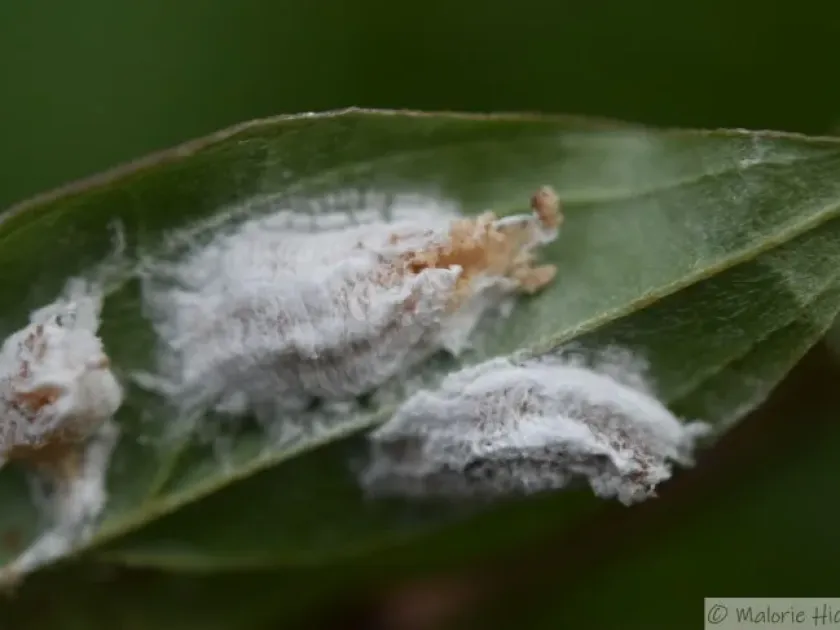
Description
How to identify
Diversinervus elegans belongs to the order Hymenoptera and the family Encyrtidae. It is widely recognized as a specialized parasitoid, serving as a critical biological control agent against various species of scale insects (Coccidae).
The adult parasitoid is small, often requiring magnification for accurate identification in the field. They generally possess a dark, metallic-like body and distinct wing venation patterns typical for this family of wasps.
The life cycle involves an egg-to-adult development phase inside the body of the host insect. The female wasp searches for suitable hosts, such as soft scales, and oviposits within them, ultimately leading to the host's death.
They utilize sophisticated sensory systems to locate hosts via volatile organic compounds emitted by the plants infested with scale insects. This ability ensures efficient finding of prey even in sparse populations.
As a specialist in biological control, this species represents a natural regulatory mechanism that maintains ecosystem balance in orchards, citrus groves, and ornamental gardens.
What it damages
While Diversinervus elegans itself is a beneficial insect, the hosts it targets cause significant damage to agricultural crops. Major host plants include citrus, oleander, and various greenhouse shrubs.
The scale insects controlled by this wasp inflict damage by sucking sap from the phloem. This process drains the plant of essential nutrients, leading to stunted growth, yellowing, and leaf drop.
Massive infestations often result in the production of honeydew, which fosters the growth of sooty mold. This fungus blocks sunlight and hinders photosynthesis, significantly reducing the vigor and market quality of the yield.
Chronic infestation weakens the plant's structural integrity, making it more susceptible to environmental stresses and secondary diseases, which can eventually lead to branch dieback.
The presence of Diversinervus elegans is therefore vital; its absence in the agro-ecosystem leads to unchecked scale insect population explosions, resulting in substantial financial losses for growers.
Signs of infestation
The most reliable sign of this parasitoid's activity is the discovery of "mummified" scale insect tests. Upon close inspection, a circular exit hole made by the emerging adult wasp is visible on the scale's shell.
Monitoring the underside of leaves and young stems is essential for finding these signs. A healthy colony of scale insects will appear plump, whereas those parasitized by D. elegans look dried out or empty.
A reduction in honeydew secretions is another behavioral indicator. As the parasitoid reduces the population of feeding scales, the foliage becomes cleaner, and the sticky residue gradually disappears.
The presence of adult wasps can be observed during warm periods when they are actively flying in search of hosts. Using yellow sticky traps in greenhouses can also help in detecting their presence.
Regular visual checks during the vegetative season help assess whether the parasitism rate is high enough to control the pest population naturally without further human intervention.
Control measures
Protection strategies for Diversinervus elegans focus on "integrated pest management" (IPM). The primary goal is to preserve the existing population by avoiding broad-spectrum synthetic pesticides.
If chemical intervention is necessary, growers should select pesticides that are compatible with beneficial insects. Timing the application is crucial to avoid contact with active adult parasitoids.
Cultural practices such as proper pruning and tree spacing improve airflow, which creates a microclimate less favorable for scale insects while allowing better accessibility for the parasitoids.
In greenhouses, augmentative biological control, where laboratory-reared parasitoids are released, is a highly successful method for maintaining low pest levels throughout the season.
- Minimize the use of non-selective toxic insecticides.
- Establish refuge areas for beneficial insects.
- Monitor pest density using pheromone or sticky traps.
Taxonomy
- Latin name
- Diversinervus elegans
- Order
- Hymenoptera
- Family
- Encyrtidae
- EPPO code
- DIVEEL
Discussion
No discussions yet — be the first.