
Cryptanusia comperei
Cryptanusia comperei
Description
How to identify
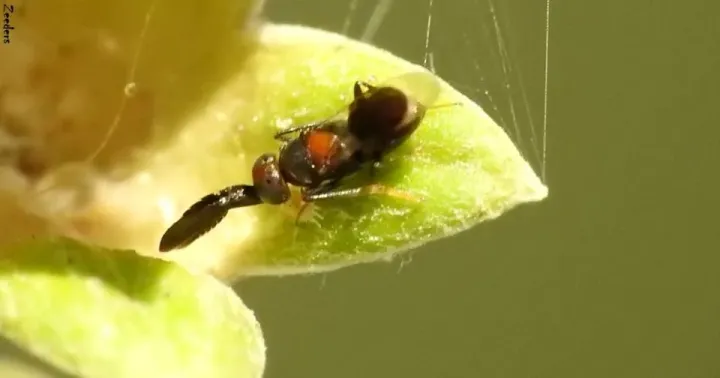
Cryptanusia comperei is a species of parasitic wasp belonging to the family Encyrtidae, within the order Hymenoptera. These tiny wasps are crucial biological control agents in agricultural ecosystems.
Adults of this species are extremely small, typically measuring between 1 and 2 millimeters in length. They generally exhibit a dark, metallic coloration, which is a characteristic trait of many encyrtid wasps.
The life cycle of this wasp follows a complete metamorphosis. The larvae develop as internal parasites within their hosts, effectively neutralizing them. This specialized lifestyle makes them highly efficient at regulating specific pest populations.
Identification often requires specialized laboratory techniques, such as microscopic analysis of morphological structures. In the field, it is identified by observing host colonies and signs of parasitism.
Understanding the biology of this species is essential for integrated pest management (IPM) programs. As a parasitoid, it plays a vital role in maintaining the health of citrus and other fruit-bearing trees.
What it damages
Cryptanusia comperei primarily parasitizes various species of scale insects and mealybugs. These pests are known to cause significant damage to citrus groves by sap-sucking, leading to plant decline.
By infecting scale insects, the wasp halts the host's ability to feed and reproduce. This naturally reduces the pressure on crops such as lemons, oranges, and other citrus varieties.
The parasitized hosts eventually die, preventing further damage to the tree's leaves, twigs, and fruit. This natural reduction of the pest population helps prevent the need for broad-spectrum chemical interventions.
The presence of this parasitoid is a key indicator of a balanced orchard ecosystem. When populations of the wasp are high, the damage caused by scale insects is significantly mitigated.
In orchards where Cryptanusia comperei is established, growers can observe a decline in the overall vigor of pest colonies, which directly contributes to higher yield and better fruit quality.
When it appears
The activity of Cryptanusia comperei adults is closely linked to warmer months when conditions are optimal for flight and searching for hosts. Activity peaks during the periods when host larvae are most abundant.
Under favorable climatic conditions, multiple generations of this wasp can occur within a single growing season. The development rate is heavily influenced by ambient temperature and humidity levels.
During the winter, the parasitoid typically remains in a dormant stage (diapause) inside the mummified remains of its host. Activity resumes in the spring once temperatures become sufficiently high.
Monitoring weather patterns is important for predicting the wasp's population surges. Growers often use field observations to determine the most critical periods for protecting these beneficial insects.
Effective biological control requires that the peak emergence of Cryptanusia comperei coincides with the vulnerable developmental stages of the scale insects being targeted.
Signs of infestation
The most reliable sign of Cryptanusia comperei activity is the appearance of parasitized scale insects within a colony. Affected hosts often exhibit distorted shapes, shriveled bodies, or changes in texture.
When the adult wasp emerges after completing its development, it leaves behind a distinct, small, circular exit hole on the dorsal side of the host's body. This is a telltale sign of successful parasitism.
- Small circular exit holes in scale covers;
- shriveled or mummified host appearance;
- reduction in honeydew and sooty mold accumulation;
- increased shedding of dead scale insects from tree branches.
If a high proportion of scale insects show these holes, the wasp population is successfully suppressing the pest. This natural mortality is highly effective at thinning out pest colonies.
A noticeable decrease in the presence of sooty mold, which is caused by honeydew from scale insects, is an indirect sign that the parasitoids are effectively keeping the infestation in check.
Control measures
The primary strategy for protecting Cryptanusia comperei is the implementation of integrated pest management (IPM) practices. This includes minimizing the use of toxic pesticides that harm beneficial insects.
If chemical application becomes necessary, growers should select narrow-spectrum products that have the least negative impact on parasitoid populations. Timing the applications to avoid peak wasp activity is essential.
Maintaining biological diversity around the orchard is beneficial. Planting flowering cover crops can provide necessary nectar resources for adult wasps, increasing their lifespan and reproductive success.
Regular field scouting allows growers to assess the level of parasitism. Informed decision-making based on these observations helps prevent unnecessary sprays and preserves natural control agents.
By promoting a healthy environment for Cryptanusia comperei, farmers can rely more on natural ecosystem services, leading to more sustainable and cost-effective agricultural practices.
Taxonomy
- Latin name
- Cryptanusia comperei
- Order
- Hymenoptera
- Family
- Encyrtidae
- EPPO code
- KRYTCO
Discussion
No discussions yet — be the first.