
Clausenia purpurea
Clausenia purpurea
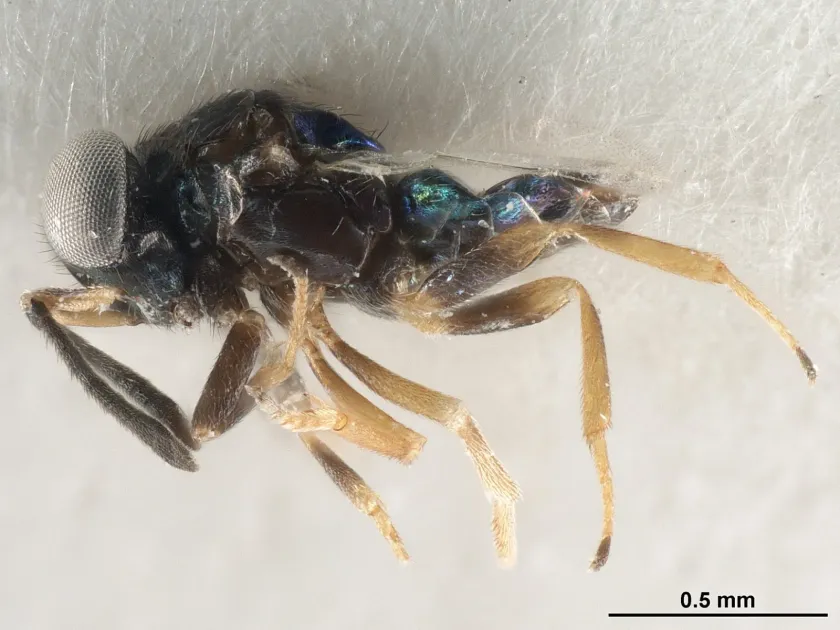
Description
How to identify
Clausenia purpurea is a species of insect belonging to the order Lepidoptera, which can affect the health and productivity of various plant species under favorable climatic conditions.
The adult stage is characterized by specific morphological features, including wing coloration patterns that serve as a defense mechanism and a primary identification trait for researchers.
The larval stage, the caterpillar, is responsible for the feeding damage and undergoes several instars before transitioning into the pupal stage.
Understanding the complete metamorphosis of this insect is essential for identifying the precise timing for control measures during the cultivation season.
Field identification often relies on monitoring the presence of larvae on host plants and using pheromone traps to capture adult moths for population density analysis.
What it damages
The primary damage caused by Clausenia purpurea involves the destruction of leaf tissues, which significantly reduces the photosynthetic capacity of the plant.
The larvae feed on young leaves, buds, and sometimes tender shoots, causing stunted growth, physical deformation, and potential yield loss if the infestation is severe.
Severe defoliation weakens the host plant, making it more susceptible to secondary environmental stresses, pathogens, and various diseases.
In addition to direct feeding, the larvae can damage the reproductive organs of the plants, which directly reduces the production of flowers and subsequent fruit set.
- Defoliation of primary leaf surface area.
- Stunting of young shoots and stems.
- Increased risk of secondary fungal infections.
When it appears
The appearance of the pest is strictly linked to seasonal weather patterns, typically emerging as temperatures increase during the spring and summer months.
The life cycle is highly dependent on humidity and ambient temperature, which can accelerate the transition between developmental stages during peak growing seasons.
Multiple generations can occur within a single year if the climate provides an extended warm period, leading to cumulative damage over the season.
Preparation for dormancy or overwintering usually occurs as temperatures decline in autumn, with the pest finding shelter in soil or plant debris.
Agricultural monitoring programs should focus on these peak activity windows to maximize the efficacy of preventative and remedial pest control treatments.
Signs of infestation
Visible signs of infestation include irregular holes in leaf blades and chewed margins, which are characteristic of larval feeding activity.
The presence of larval frass (excrement) on leaves and stems serves as a clear indicator of active feeding sites that require immediate attention.
Webbing on leaves or buds is often used by larvae as a protective shelter, which is a key symptom to look for during routine crop scouting.
Wilting of foliage or premature leaf drop can signal severe damage to the plant's vascular or nutrient-carrying tissues due to extensive larval feeding.
Eggs are often deposited on the underside of leaves and can be identified during regular inspection as small, clustered groups of specific color and texture.
Control measures
Integrated pest management strategies are crucial for controlling Clausenia purpurea, focusing on cultural practices such as crop rotation and field sanitation.
Biological control agents, including parasitic wasps and predatory beetles, can be introduced to manage population growth naturally without heavy chemical reliance.
Chemical applications should be used as a last resort, targeted specifically during the most vulnerable life stages to minimize environmental impact and non-target damage.
Maintaining a clear field environment by removing weed hosts significantly decreases the habitat availability for the pest to survive and multiply.
Consistent monitoring and early detection allow for localized treatment, preventing the spread of the pest across large production areas and saving crop yields.
Taxonomy
- Latin name
- Clausenia purpurea
- Order
- Hymenoptera
- Family
- Encyrtidae
- EPPO code
- CLAUPU
Discussion
No discussions yet — be the first.