
Suidasia nesbitti mite
Suidasia nesbitti
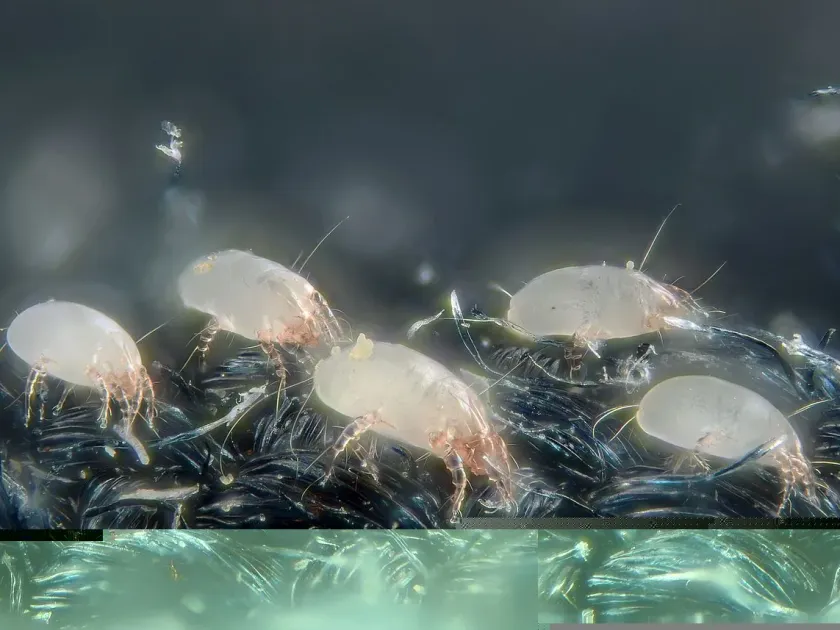
Description
How to identify
Suidasia nesbitti is a microscopic mite belonging to the Suidasiidae family. Due to its translucent, whitish body, it is nearly impossible to detect without microscopic analysis, which often leads to late detection of an infestation.
These mites thrive in environments with high humidity and moderate to high temperatures. Their life cycle, passing through egg, larva, and nymph stages, is extremely rapid, allowing populations to expand drastically under favorable storage conditions.
A notable survival strategy of this species is the formation of a hypopus stage, which is a dormant phase that allows the mite to withstand harsh environmental conditions and survive periods of food scarcity or chemical treatment.
The presence of these mites is usually identified by the subtle dusting of the product surface or the specific musty odor that develops as a colony grows within the grain bulk.
In addition to agricultural damage, Suidasia nesbitti is a known allergen source. Workers handling contaminated grain may experience respiratory or skin irritation, making it a health concern as well as an economic one.
What it damages
This mite species primarily targets stored grain, seeds, flour, and feedstuffs. It specifically feeds on the embryo and the nutrient-dense parts of the grain, significantly reducing the germination rate of seed stocks.
Contaminated products, such as cereals, legumes, and dried fruits, quickly deteriorate in quality. The feeding activity of these mites leads to the destruction of the product's nutritional value and the development of rancidity.
Heavy infestations frequently cause grain heating, which is a process that creates moist pockets within the grain pile, further accelerating the growth of mold and bacterial spoilage.
The damage caused by Suidasia nesbitti makes food materials unsuitable for human consumption or animal feed. The grain becomes tainted with mite bodies, excreta, and shed skins, which are difficult to remove completely.
Secondary damage occurs when the mites facilitate the spread of fungal spores throughout the storage facility, turning a minor infestation into a widespread loss of stored materials.
Control measures
Management of Suidasia nesbitti relies primarily on controlling the moisture content of the stored product. Keeping grain moisture levels below 13% prevents the population from achieving significant growth.
Sanitation is a vital preventive measure. Regularly cleaning storage areas, removing spills, and preventing dust accumulation eliminates the food sources required by mites to establish new colonies.
When an infestation is detected, fumigation is the most effective solution. Phosphine-based fumigants are commonly used to penetrate the grain mass and eradicate all life stages of the mite.
Strategic monitoring programs, including regular laboratory testing of grain samples, should be a standard practice in professional storage facilities to ensure quality control.
- Installation of efficient aeration systems to keep the grain cool and dry.
- Use of pest-proof storage containers and structures to prevent infestation entry.
- Routine temperature checks to detect the localized heating caused by mite clusters.
Taxonomy
- Latin name
- Suidasia nesbitti
- Order
- Mites
- Family
- Ebertiidae
- EPPO code
- SUIDNE
Discussion
No discussions yet — be the first.