
Proctolaelaps vandenbergi
Proctolaelaps vandenbergi
Description
How to identify
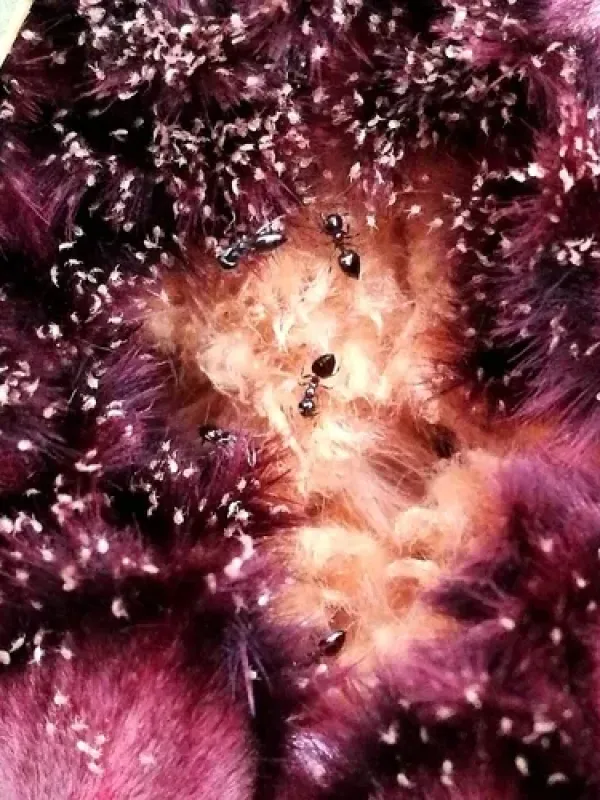
Proctolaelaps vandenbergi is a microscopic mite belonging to the order Mesostigmata, family Ascidae. These mites are characterized by a pale, oval-shaped body and are typically found in moist environments associated with organic matter or fungal growth.
Due to their extremely small size, identifying them in the field is difficult without magnification. Expert laboratory diagnosis based on dorsal shield morphology and setal patterns is necessary to distinguish them from other predatory or saprophytic mites.
They are known to be associated with fungi, often feeding on fungal spores in damp greenhouse conditions. Their rapid mobility allows them to traverse plant surfaces efficiently, facilitating the colonization of neighboring plants within a greenhouse bay.
The life cycle encompasses stages from egg to larva, protonymph, deutonymph, and adult. Given suitable greenhouse temperatures, development is rapid, leading to overlapping generations and a constant presence throughout the growing season.
These mites can colonize various substrates, including soil, potting media, and plant surfaces. Their ability to survive on fungal food sources allows them to maintain populations even when primary host plants are temporarily absent.
What it damages
Proctolaelaps vandenbergi is primarily known as a pest of flowers and ornamental plants. By feeding on pollen and floral tissues, they cause direct mechanical damage to the reproductive structures of the plant.
Infestation symptoms include distorted buds, necrotic lesions on petals, and premature shedding of flowers. This damage significantly reduces the aesthetic and commercial value of ornamental crops like roses and gerberas.
Beyond direct feeding, the mite acts as a vector for fungal pathogens. By damaging the floral surface, they create entry points for pathogens such as Botrytis cinerea, which leads to secondary infections and rapid tissue rot.
Severe infestations result in overall plant stress. The cumulative effect of tissue damage and pathogen transmission leads to reduced growth rates and significantly lower yields of marketable quality produce.
The mites can also contaminate harvested produce. The presence of these organisms, even in small numbers, is often unacceptable for high-value horticultural exports, leading to total rejection of batches.
Control measures
Effective management begins with strict sanitation practices. Removing crop debris and maintaining clean growing areas limits the availability of fungal food sources, effectively suppressing mite population growth.
Managing the greenhouse microclimate is crucial. Reducing humidity levels inhibits the growth of the fungi that these mites rely on for supplemental nutrition, making the environment less favorable for their development.
Chemical control involves the application of registered acaricides. Rotation of products with different modes of action is essential to prevent the development of resistance within the mite population over multiple seasons.
Biological control using predatory mites, such as those from the Phytoseiidae family, can be an effective alternative to chemical treatments. These predators help maintain pest populations below the economic injury level.
Integrated pest management programs should include regular scouting and monitoring using sticky traps. Early detection allows for targeted spot treatments, minimizing the need for broad-spectrum chemical applications.
Taxonomy
- Latin name
- Proctolaelaps vandenbergi
- Order
- Mites
- Family
- Ascidae
- EPPO code
- PRCTVA
Discussion
No discussions yet — be the first.