
Proctolaelaps
Proctolaelaps
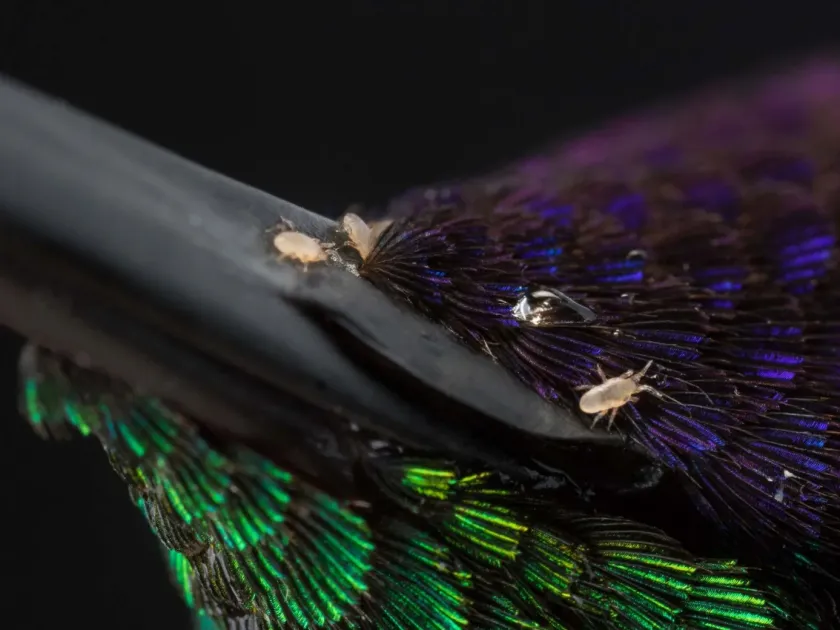
Description
How to identify
Proctolaelaps is a genus of mites belonging to the family Ascidae. These mites are characterized by their small size, typically pale to light brown color, and highly agile movement, which allows them to colonize substrates rapidly.
The biology of Proctolaelaps is closely associated with high humidity and decaying organic matter. They are known for their phoretic behavior, meaning they can hitchhike on insects or transport equipment to infest new areas.
Their life cycle progresses through the egg, larva, protonymph, deutonymph, and adult stages. Under optimal conditions of temperature and moisture, they can complete their life cycle in a very short period, leading to rapid population explosions.
While some species are considered predatory and beneficial, others are recognized as pests that negatively affect crops by damaging roots or contaminating commercial mushroom beds.
Accurate identification usually requires microscopic examination of the dorsal and ventral plates to distinguish them from other common greenhouse mite species.
What it damages
Proctolaelaps mites primarily target greenhouse crops, including vegetables, flowers, and nursery stock. They congregate in the root zone, where they feed on root hairs, causing the plant to struggle with nutrient uptake.
In mushroom production, they are a significant nuisance, particularly in commercial button mushroom or oyster mushroom farming. They damage the mycelium, which directly interferes with the development of fruiting bodies.
Plants infested with these mites show signs of stunted growth, leaf chlorosis, and reduced vigor. The tissue damage they cause often serves as an entry point for secondary bacterial and fungal pathogens.
In ornamental pots, the mites can cause extensive damage to the root system, making the plant unstable and causing yellowing of the foliage due to the inability of the roots to supply water.
The overall impact of an infestation is a significant decline in product quality and yield, causing economic losses for greenhouse managers and mushroom growers.
Signs of infestation
An early sign of infestation is a noticeable slowdown in plant growth compared to healthy crops. Affected plants often appear listless and do not recover fully even after adequate watering.
By inspecting the root ball of a container plant, one may observe sparse root growth and potential decay. Small, rapidly moving particles on the soil surface are often signs of mite activity.
In mushroom beds, the presence of the mite is characterized by darkened or slimy patches on the substrate, indicating that the mycelium has been consumed or inhibited.
Wilting during the hottest part of the day, despite moist soil, is a strong indicator that the root system has been compromised by pests or associated rot.
The appearance of "dusty" looking surface layers on the substrate or the base of stems can often be a mass of these mites, especially in very humid environments.
Control measures
Cultural control is the most effective management strategy. Maintaining high hygiene standards, such as sanitizing all tools and containers, is crucial to preventing the introduction of the pest into the facility.
Managing the greenhouse environment by optimizing humidity levels and ensuring good ventilation will inhibit the rapid reproduction of Proctolaelaps mites.
- Application of appropriate acaricides, ensuring they are approved for the specific crop and greenhouse safety regulations.
- Steam treatment of soil and compost before planting to eradicate existing mite populations.
- Use of natural predators to suppress mite numbers without relying solely on chemical inputs.
Aggressive culling and removal of heavily infested plants or mushroom blocks from the growing area can prevent the spread of the colony to nearby healthy areas.
Regular monitoring using sticky traps can provide early warning of population growth, allowing for timely intervention before the damage becomes extensive.
Taxonomy
- Latin name
- Proctolaelaps
- Order
- Mites
- Family
- Ascidae
- EPPO code
- PRCTSP
Discussion
No discussions yet — be the first.