
Yellow-striped crane fly
Tipula flavolineata
Description
How to identify
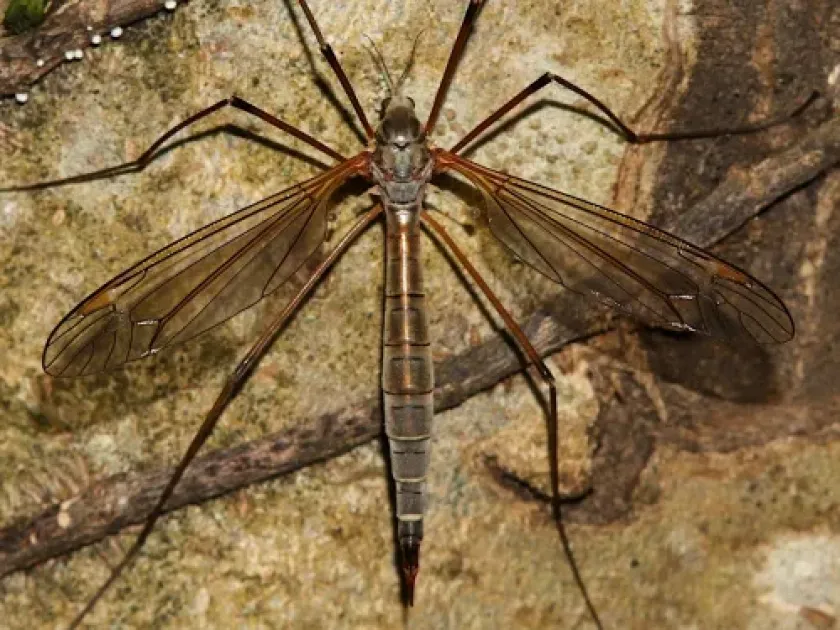
The yellow-striped crane fly is a member of the Tipulidae family, characterized by its long, fragile legs and a slender body with distinctive yellow stripes on the thorax.
The larvae, often referred to as leatherjackets, have a tough, cylindrical, and leathery appearance, typically grayish-brown in color, which helps them thrive in moist soil.
Adult flies are relatively large, often looking like giant mosquitoes, but they are harmless to plants as their mouthparts are designed only for nectar feeding or are entirely vestigial.
The taxonomic classification places this insect within the order Diptera, which includes a vast variety of flies adapted to diverse environments.
Identification is primarily based on the specific thoracic markings and the general morphology of the larvae found in the upper soil layers during spring.
What it damages
Damage is exclusively caused by the larvae, which feed on the roots, root hairs, and stems of various vegetables, seedlings, and ornamental grasses.
In vegetable gardens, they are known to attack crops like cabbage, carrots, and lettuce, often severing roots and causing sudden wilting and plant death.
Lawns are particularly susceptible, as high densities of larvae can feed on the root systems of turfgrass, leading to extensive patches of dead and dying grass.
Young fruit tree saplings can be severely impacted by larvae feeding on their tender root collars, which may also invite secondary fungal pathogens.
The economic impact is significant in agricultural areas where moist, organic-rich soil creates ideal breeding conditions for the larvae to reach high populations.
When it appears
Adult yellow-striped crane flies typically emerge in late spring or early summer, following the completion of their metamorphosis in the soil.
Female flies lay their eggs shortly after mating, preferring moist habitats with dense vegetation or rich organic soil to ensure the survival of the offspring.
Larval development occurs primarily throughout the growing season, with the most destructive feeding behavior observed during the damp weather of spring.
The insect overwinters in the larval stage, residing deeper in the soil profile to avoid freezing temperatures until conditions improve in the following year.
The life cycle is closely linked to soil moisture levels, making damp, poorly drained soils the primary areas where infestations are most likely to persist.
Signs of infestation
Visible signs of infestation include the sudden and unexplained wilting of healthy-looking seedlings in the garden beds.
When examining damaged plants, you will often find missing roots or signs of gnawing on the stem at or just below the soil surface.
Lawn owners may notice brown, dying patches of grass that can be pulled up effortlessly, as the root system has been completely consumed by the larvae.
In wet conditions, or at night, larvae can occasionally be found near the soil surface, especially after heavy rainfall when the soil becomes saturated.
Increased activity of birds, such as starlings or crows, feeding on a specific patch of lawn or soil can be a natural indicator of high larval density beneath the surface.
Control measures
Cultural control methods involve improving soil drainage and regular mechanical cultivation to disturb the larvae and make them vulnerable to predators.
Biological control using entomopathogenic nematodes is highly effective, as these microscopic worms actively parasitize and kill the larvae in the soil.
Autumn tilling of garden soil can significantly reduce larval populations by exposing them to frost and predatory birds before they reach the pupal stage.
Monitoring the adult population with light traps can provide early warning for expected damage in the subsequent season, allowing for timely preventative measures.
Chemical control should be used as a last resort, utilizing soil-applied insecticides specifically approved for the treatment of leatherjackets in professional or home garden settings.
Taxonomy
- Latin name
- Tipula flavolineata
- Order
- Diptera (flies)
- Family
- Tipulidae
- EPPO code
- TIPUFL
Discussion
No discussions yet — be the first.