
Tipula aino
Tipula aino
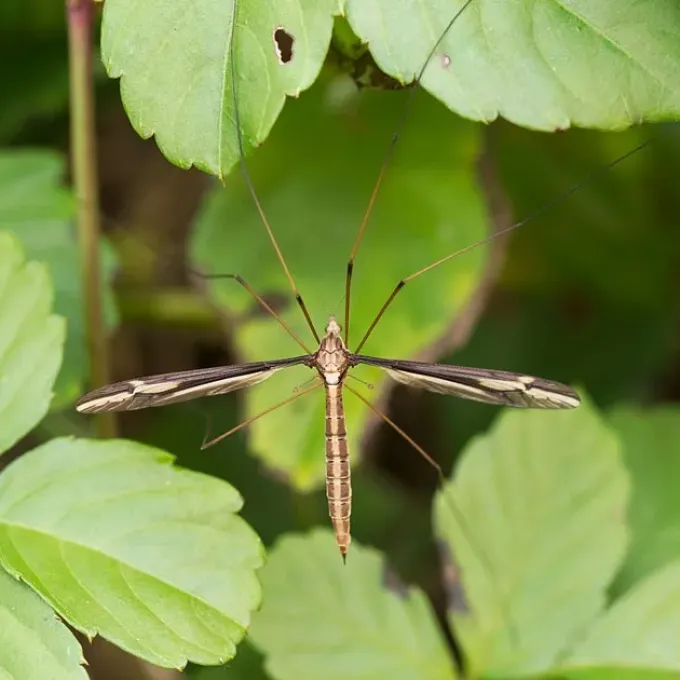
Description
How to identify
Tipula aino is a species of crane fly within the Tipulidae family, characterized by its long, fragile legs and mosquito-like appearance in its adult stage.
The larvae, often referred to as leatherjackets, are legless, cylindrical, and possess a tough, leathery skin, usually colored grey or brown to blend with the soil environment.
Unlike adults, the larvae have a robust, chewing mouthpart designed for consuming organic matter and plant tissues beneath the soil surface.
Their life cycle consists of complete metamorphosis: egg, larva, pupa, and adult, with the larval stage being the most critical for agricultural impact.
Monitoring the soil environment, particularly in moist, poorly drained areas, is essential for confirming the presence of this specific crane fly species.
What it damages
Tipula aino larvae primarily target the root systems of various cereal crops, including wheat, barley, and rye, as well as several pasture grasses.
By feeding on the roots and the base of the stems, the larvae disrupt nutrient uptake, causing the plants to wither, turn yellow, and eventually die.
Young seedlings are particularly vulnerable; a high density of larvae can lead to patchy crop emergence and significant reductions in overall yield.
The damage is most severe during cool, wet springs when the larvae are actively feeding and the plants are in their early developmental stages.
Secondary infections often occur at the site of larval feeding damage, further weakening the plant and increasing the risk of crop failure.
When it appears
The life cycle and activity of Tipula aino are heavily influenced by environmental factors such as soil moisture levels and temperature patterns.
Adults typically emerge during the summer months to mate and deposit eggs into damp soil, which serves as a necessary incubator for the larvae.
Larval development proceeds through the autumn and winter months, with the insects becoming particularly destructive as they resume feeding in early spring.
Peak infestation levels are usually observed in late spring when the larvae reach their final, most voracious growth stages before pupation.
Areas with high organic matter content and persistent moisture levels are the most susceptible to sustained outbreaks year after year.
Signs of infestation
The first indicator of a Tipula aino infestation is the appearance of wilting plants that fail to recover even when soil moisture is sufficient.
Irregular bare patches or thin spots in the field indicate where larvae have consumed the roots of the emerging crop, leading to plant death.
Digging around the base of affected plants often reveals greyish, tough-skinned larvae hiding in the top few centimeters of the soil.
Physical damage to the root system, such as shredded roots or chewed stem bases, provides clear evidence of crane fly larval activity.
Observing a high number of empty pupal skins protruding from the soil surface indicates that a generation of adults has successfully emerged.
Control measures
Cultural control is the most effective approach, beginning with proper soil management, including drainage improvements to reduce excess moisture.
Deep autumn tillage is recommended to expose larvae to the surface, where they become vulnerable to natural predators like birds and environmental extremes.
Crop rotation serves as a primary preventative measure; avoiding planting cereals in fields that were previously used for permanent pasture helps reduce pest pressure.
Chemical control options include seed treatments with systemic insecticides, which offer early-season protection to seedlings against subterranean feeding.
Monitoring population levels using soil samples before planting allows farmers to make informed decisions regarding the necessity of targeted insecticide applications.
Taxonomy
- Latin name
- Tipula aino
- Order
- Diptera (flies)
- Family
- Tipulidae
- EPPO code
- TIPUAI
Discussion
No discussions yet — be the first.