
Stegopterna black flies
Stegopterna
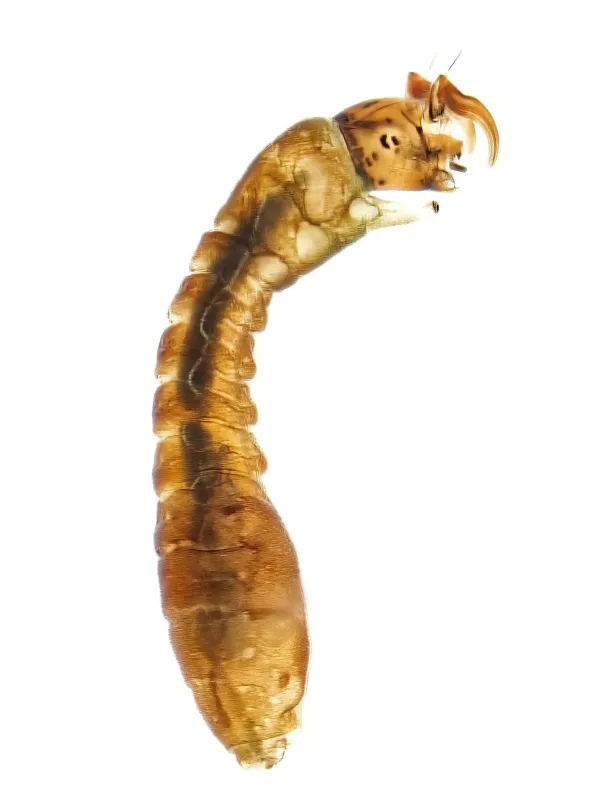
Description
How to identify
The genus Stegopterna belongs to the family Simuliidae (order Diptera). These are small blood-feeding flies, with adults typically measuring between 2 to 5 mm in length. They are characterized by a stout body structure and specific wing venation patterns used for identification.
Adult flies possess short antennae and piercing-sucking mouthparts, which they use to feed on the blood of warm-blooded organisms. Their coloration is generally dark, ranging from brown to black, helping them blend into their natural habitat.
The larvae and pupae of Stegopterna develop exclusively in running water, attaching themselves to submerged substrates such as rocks or aquatic vegetation. High oxygen levels in the water are essential for their survival, so they thrive in fast-flowing streams.
The life cycle is complete, consisting of four stages: egg, larva, pupa, and adult. Many species in this genus have a univoltine life cycle, meaning they complete only one generation per year, which correlates with their seasonal prevalence.
Only female Stegopterna flies feed on blood, which is required for egg maturation. Males feed exclusively on nectar from flowers and are harmless to livestock.
What it damages
The main impact of Stegopterna on agriculture is their aggressive blood-feeding behavior, which causes significant stress to livestock. Cattle, horses, sheep, and wildlife are common targets for their attacks.
Bites cause inflammation, itching, and allergic reactions. Mass attacks can lead to severe stress, resulting in decreased milk production in dairy cattle and reduced weight gain in meat-producing animals.
Constant disturbance prevents animals from grazing and resting effectively. In extreme cases, animals may suffer from simuliidotoxicosis, a condition caused by toxins in the fly's saliva that can be fatal in large numbers.
Furthermore, these flies can act as mechanical vectors for various infectious diseases. The bites create wounds on the skin that often become entry points for secondary bacterial infections.
In areas with high fly density, mortality among young livestock is a risk, as they are often less capable of defending themselves against the persistent attacks of swarming flies.
When it appears
The activity of adult Stegopterna is closely linked to weather conditions and ambient temperature. Usually, mass emergence occurs during the spring and early summer, coinciding with the beginning of the grazing season.
These flies are most active during the early morning and late evening hours when humidity is higher and temperatures are more moderate. They tend to avoid the heat of the midday sun.
Windy conditions significantly restrict their flight, as they are relatively weak fliers. During such times, they remain sheltered in dense vegetation, reducing their impact on grazing herds.
Water levels in rivers and streams play a vital role in population dynamics. Stable water levels support larval growth, whereas sudden flash floods can wipe out the larvae in their breeding sites.
The active season for one generation typically lasts from a few weeks to a month and a half, after which the number of adults declines sharply until the following year.
Signs of infestation
The presence of Stegopterna is signaled by restless behavior among livestock. Animals often huddle together, constantly move their tails, stomp their feet, and attempt to rub their skin against trees or fences.
On areas of the body with thinner skin, such as the ears, udder, and abdomen, visible swelling, redness, and tiny puncture wounds from bites can be found.
A telltale sign is the appearance of small black spots on the animals, which, upon closer inspection, turn out to be dense swarms of flies covering the skin.
Decreased appetite and avoidance of grazing during peak morning hours indicate that the herd is being subjected to intense fly attacks. General weakness and lethargy are also common signs.
Excessive salivation and foaming at the mouth can indicate that animals are struggling to keep flies out of their nostrils and mouth cavities, which is a common defense reaction.
Control measures
The primary control method involves the application of repellents and long-lasting insecticide treatments to the animals' coats. This significantly reduces the frequency and impact of bites.
Adjusting grazing schedules is an effective agronomic practice. Moving livestock to pastures only during hours when fly activity is at its lowest can prevent mass attacks.
Using smudge pots or smoke generators in pastures can create a protective barrier, as the smoke helps deter the flies from gathering around the animals.
Veterinary care should include the antiseptic treatment of fly-bite wounds to prevent secondary infections. In severe cases of toxicity, specialized therapeutic support is necessary.
Local management of streams by clearing debris and obstructions can help reduce the breeding sites for larvae, leading to a lower fly population in the immediate vicinity of the farm.
Taxonomy
- Latin name
- Stegopterna
- Order
- Diptera (flies)
- Family
- Simuliidae
- EPPO code
- STGPSP
Discussion
No discussions yet — be the first.