
Golubovetz
Simulium columbaschense
Description
How to identify
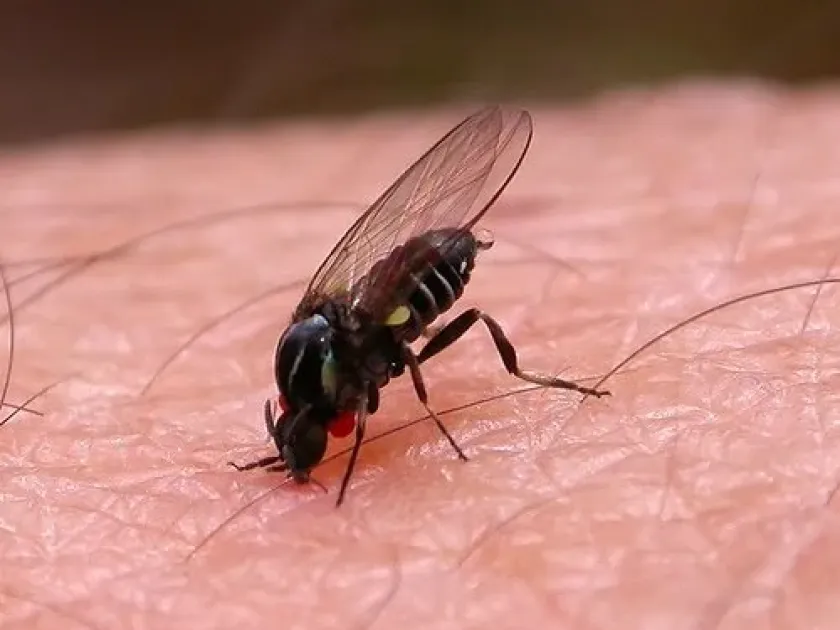
Golubovetz (Simulium columbaschense) is a small blood-sucking insect belonging to the black fly family (Simuliidae) within the order Diptera. Adults are typically 2–4 mm long and have a distinct humpbacked appearance.
While male black flies feed on floral nectar, the females are obligate hematophages. They require a protein-rich blood meal from warm-blooded hosts to develop their eggs successfully.
The larval and pupal stages occur strictly in running water. They are typically found in oxygen-rich, fast-flowing rivers where they attach themselves to submerged rocks, plants, or debris.
Adult flies are highly mobile and can travel significant distances in search of hosts, using heat sensors and olfactory cues to locate livestock and other mammals.
The population density is highly dependent on seasonal river flow and temperature, with mass emergence events occurring once water conditions become optimal for development.
What it damages
Golubovetz does not cause direct damage to agricultural crops. However, it is a devastating pest in the livestock industry, causing severe health and economic issues for farmers.
When biting, the female fly injects saliva containing potent toxins (simulidotoxicosis). These substances trigger significant allergic reactions, including edema, inflammation, and extreme pain in the host.
Massive infestations can result in the rapid death of cattle, sheep, and horses due to toxic shock, respiratory failure, or secondary infections caused by intense scratching and skin irritation.
Non-fatal attacks lead to substantial productivity losses, including reduced milk yields, weight loss in livestock, and damage to hides, which lowers the overall market value of the animals.
Beyond the direct toxicity, these flies can potentially act as vectors for various infectious diseases, further complicating animal health management on affected farms.
When it appears
The peak emergence of Golubovetz occurs during the spring, typically spanning from late April to May. This period coincides with the time when livestock are turned out onto pastures.
They are most active during the early morning and late afternoon hours on calm, windless days. On overcast, still days, they can remain active and aggressive throughout the entire daylight period.
Water temperature acts as the primary trigger for the hatching of pupae. As river temperatures rise in the spring, mass emergence occurs, creating an immediate and dangerous threat to local herds.
During the peak of summer, activity usually declines as high heat and lower humidity negatively affect the survival rate of these insects, reducing the immediate threat to livestock.
Strategic timing of pasture rotation and grazing schedules is essential for minimizing the interaction between livestock and peak populations of these biting flies.
Signs of infestation
The first signs of an attack include extreme restlessness among the herd. Cattle may run blindly, attempt to rub against trees or buildings, or congregate in dense groups to seek relief.
Visible physical indicators include multiple red papules, swollen areas, and crusted scabs where the flies have fed. Common sites include the ears, nostrils, lips, and underbelly.
Affected animals often exhibit signs of systemic distress, such as high fever, refusal to feed, laboured breathing, and lethargy, which are clear markers of toxic intoxication.
Eye and nasal discharge is common, as the flies tend to cluster around the mucous membranes, causing severe swelling that can obstruct the animal's ability to breathe properly.
If left untreated, animals may fall into a state of collapse due to acute toxicity, necessitating immediate veterinary intervention and supportive therapy to prevent mortality.
Control measures
Protective measures include the application of topical repellents containing DEET or synthetic pyrethroids, which provide a temporary barrier against biting flies before grazing.
Management strategies such as shifting grazing times to the night or keeping cattle in screened or indoor facilities during peak fly hours are highly effective in preventing attacks.
The use of smoke pots or specialized traps around pasture perimeters can help reduce local populations, though care must be taken regarding fire safety in dry conditions.
Veterinary treatment for affected animals usually involves applying soothing, anti-inflammatory ointments and antiseptic sprays to help heal the skin and prevent secondary bacterial infections.
- Regular inspection of livestock for early signs of skin irritation.
- Installation of insect netting in barn areas and cattle shelters.
- Promotion of general animal health to improve resistance to the effects of bites.
Taxonomy
- Latin name
- Simulium columbaschense
- Order
- Diptera (flies)
- Family
- Simuliidae
- EPPO code
- SIMUCO
Discussion
No discussions yet — be the first.