
Horse bot fly
Gasterophilus intestinalis
Description
How to identify
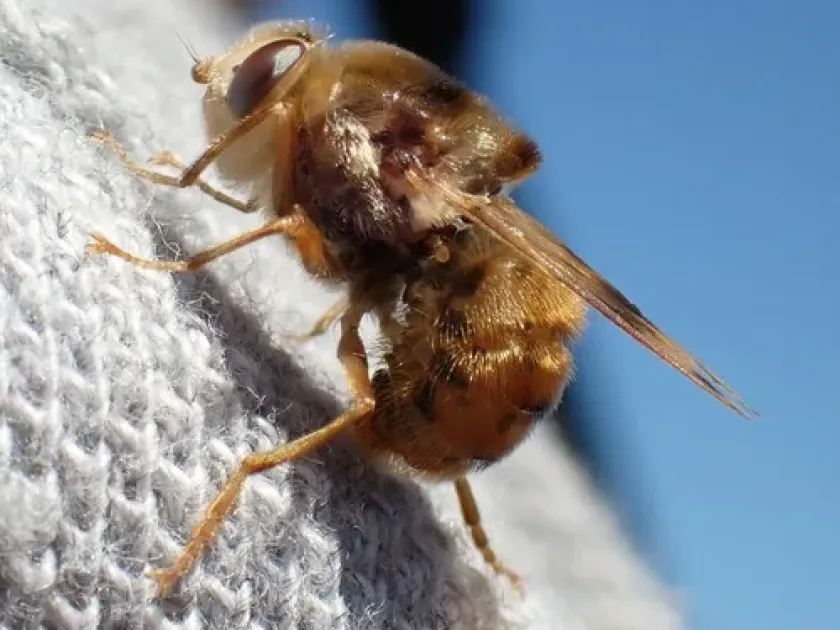
The Horse bot fly, scientifically known as Gasterophilus intestinalis, belongs to the family Gasterophilidae. The adult fly is a large, hairy insect resembling a honeybee, with a non-functional mouthpart.
Adult flies are typically 10–15 mm long, with yellow-brown coloring and dark bands on their wings. They are highly active during the summer months, focusing on depositing eggs on their host.
The larvae are the most significant stage of the life cycle. They are cylindrical and yellowish, equipped with strong oral hooks used to anchor themselves to the lining of the horse's stomach.
Identifying adult flies is difficult due to their quick flight, but identifying the pale yellow eggs on a horse's coat is a clear indicator of their presence.
Understanding their taxonomy and morphology is essential for veterinary professionals to implement accurate diagnostic tests and treatment protocols for equine patients.
What it damages
This pest exclusively targets equines, including horses, donkeys, and mules. The damage is primarily caused by the larvae, which are obligate parasites in the gastrointestinal tract.
Larvae attach to the stomach wall using their hooks, causing significant irritation, tissue inflammation, and the formation of gastric ulcers, which disrupt normal digestion.
Heavy infestations can lead to partial or complete blockage of the digestive tract, potentially causing severe, life-threatening colic in affected animals.
Chronic infestation results in poor nutrient absorption, leading to significant weight loss, anemia, and a general decline in the animal's physical condition and energy levels.
The presence of parasites weakens the host's immune system, making the animal more susceptible to secondary infections and decreasing overall herd performance.
When it appears
The activity period for adult Horse bot flies typically spans from late spring through the summer and into early autumn, depending on local climatic conditions.
Adults are most active during warm, sunny weather, when they seek out horses to deposit their eggs on the forelegs, shoulders, and flank regions.
The eggs require warmth and moisture from the horse's tongue during grooming to hatch into larvae, which then migrate into the mouth and eventually to the stomach.
Larval development continues throughout the winter inside the horse, with the parasites maturing and detaching in the spring to complete their cycle.
Managing the horse's environment during these seasonal peaks is vital to breaking the life cycle and preventing recurring infestations year after year.
Signs of infestation
The most prominent sign is the presence of small, yellowish egg clusters firmly attached to the horse's hair, especially on the front legs and shoulders.
Horses often show irritation, frequently biting or rubbing their legs, or reacting with nervousness when flies are buzzing around them during the summer.
Digestive issues, such as periodic colic, decreased appetite, or changes in manure quality, often suggest a significant internal parasite burden.
Visual observation of mature larvae in the horse's feces during the spring is a definitive clinical sign that the infection has reached its mature stage.
Poor coat condition, lethargy, and a lack of vitality, despite adequate nutrition, are indicators that the animal's health is suffering from chronic parasitism.
Control measures
Effective control requires a structured deworming program using approved anthelmintics, specifically targeting Gasterophilus species, usually administered in late autumn.
Regular grooming, specifically using a bot knife or fine-toothed comb to remove eggs from the coat, significantly reduces the number of larvae ingested by the horse.
Maintaining clean pastures and timely manure removal helps disrupt the life cycle of the larvae once they leave the host to pupate in the soil.
Fly control measures, including the use of horse blankets and safe insect repellents, can minimize the number of eggs deposited on the animal during the season.
- Consult a veterinarian for tailored deworming schedules.
- Use warm water with an insecticide shampoo to stimulate egg hatching and removal.
- Isolate new animals to prevent the introduction of parasites to the herd.
Taxonomy
- Latin name
- Gasterophilus intestinalis
- Order
- Diptera (flies)
- Family
- Oestridae
- EPPO code
- GASEIN
Discussion
No discussions yet — be the first.