
Deer nose bot fly
Cephenemyia multispinosa
Description
How to identify
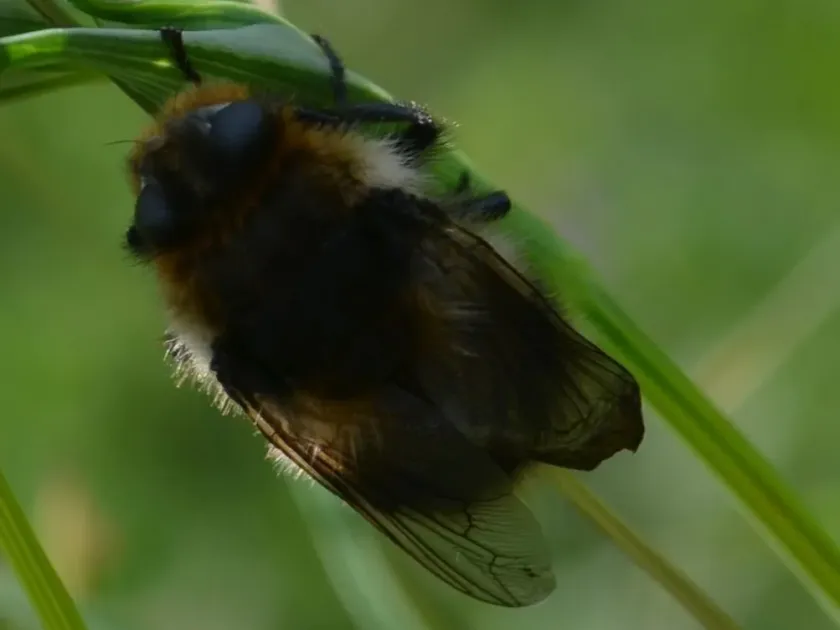
The deer nose bot fly is a large dipteran insect belonging to the family Oestridae. The adults are robust and hairy, closely resembling bumblebees in appearance.
Unlike many other insects, the adults do not feed; they rely entirely on the energy reserves they accumulated while in their larval stage. They have a very short lifespan dedicated solely to reproduction.
The female is viviparous, meaning she deposits live first-instar larvae directly into the nostrils of the deer during flight. This unique strategy ensures the larvae reach their host immediately.
Once inside the nasal passages, the larvae anchor themselves using chitinous hooks. They undergo three distinct larval stages, growing significantly in size while feeding on host tissues.
Upon reaching the third larval stage, they are covered in small spines, which is characteristic of the species. They eventually exit the deer's nose and drop to the soil to pupate.
What it damages
The primary damage caused by this parasite is the induction of cephalemyiasis in cervids. The larvae attach to the mucous membranes, leading to severe inflammation.
This parasitic infestation causes intense distress to the animals. The constant irritation leads to difficulty in breathing, which is especially detrimental to animals during physical activity or stress.
Deer suffering from high larval loads often exhibit reduced foraging efficiency. This leads to weight loss, malnutrition, and a weakened state that makes them susceptible to other illnesses.
The damage to the nasal mucosa and the constant presence of parasites cause chronic pain and secondary infections, leading to a decline in herd productivity.
Severe infestations can lead to mortality, particularly in young or sick deer, resulting in significant economic losses for commercial deer farming operations.
Signs of infestation
Clinical signs of an infestation include frequent and intense sneezing, snorting, and head-shaking as the deer attempts to dislodge the larvae from its nasal passages.
Nasal discharge is common, often ranging from clear mucus to purulent fluid. Deer may frequently rub their noses against their front legs or objects.
Respiration often becomes labored, and a wheezing sound may be heard during breathing due to the partial obstruction of the nasal passages by the developing larvae.
Affected deer may adopt a characteristic posture with an extended neck and lowered head to facilitate breathing and minimize the discomfort caused by the parasites.
In advanced cases, lethargy and weakness are observed, reflecting the significant physiological burden placed on the animal's body by the parasitic infection.
Control measures
Effective control measures focus on the administration of systemic anthelmintic treatments, specifically macrocyclic lactones, which target the larvae within the host.
Treatment should be timed carefully, ideally in the autumn months after the adult fly activity has ceased, to ensure the elimination of larvae before they cause extensive damage.
Good management practices, such as moving herds away from infested areas during peak fly season, can significantly reduce the incidence of infestation in deer populations.
Regular veterinary monitoring and herd management are essential to identify symptomatic animals early and provide treatment, thereby preventing the spread of the larvae.
Providing high-quality nutrition and minimizing other environmental stressors will help improve the overall resistance of the deer herd to parasitic infections.
Taxonomy
- Latin name
- Cephenemyia multispinosa
- Order
- Diptera (flies)
- Family
- Oestridae
- EPPO code
- CEPMMU
Discussion
No discussions yet — be the first.