
Psorophora confinnis
Psorophora confinnis
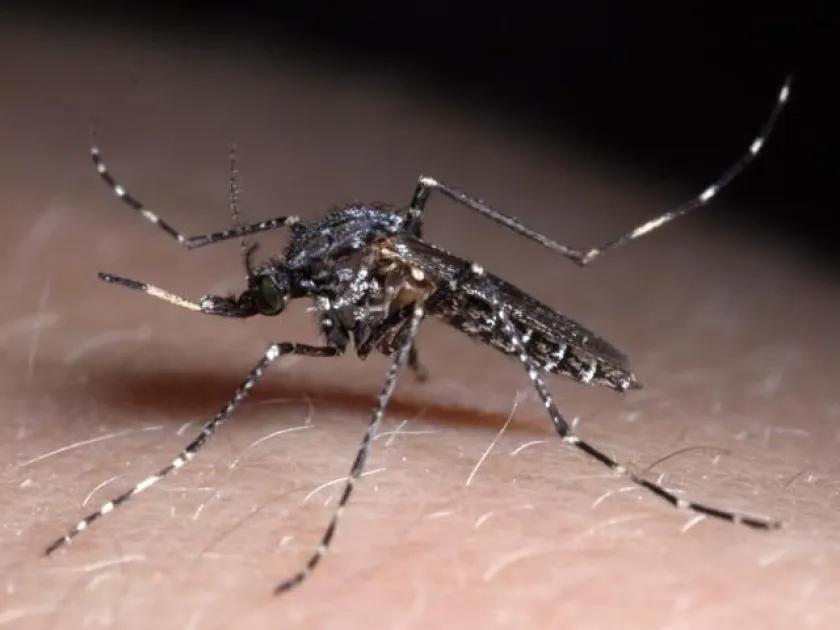
Description
How to identify
Psorophora confinnis is a species of mosquito belonging to the family Culicidae. Adults are characterized by a dark brown or black body color, with a distinctive pale band on the proboscis and legs, which serves as a key diagnostic feature for field identification.
This species is highly adapted to temporary habitats. Its larvae develop rapidly in ephemeral pools created by heavy rainfall or agricultural irrigation, making them opportunistic breeders in diverse agricultural landscapes.
Taxonomically, the species is classified within the order Diptera. It is known for its aggressive behavior and high adaptability, which allows it to thrive in environments that would be inhospitable to other less resilient species.
The eggs of this mosquito are highly resistant to desiccation and can remain dormant in the soil for extended periods. They hatch almost immediately upon contact with water, leading to explosive population growth after rainfall events.
Female mosquitoes possess specialized mouthparts for blood-feeding on large mammals. Their saliva contains anticoagulants and enzymes that trigger intense allergic reactions and pain in livestock, causing significant distress to the animals.
What it damages
The primary economic impact of Psorophora confinnis is on the livestock industry. Persistent attacks on cattle, horses, and other animals cause extreme stress, which significantly reduces milk production, weight gain, and general health status.
Massive infestations can lead to severe anemia and exhaustion in livestock due to persistent blood loss. Furthermore, the skin lesions caused by bites are susceptible to secondary bacterial infections, necessitating additional veterinary care.
While the pest primarily targets livestock, its presence affects land use in agriculture. Farmers often have to limit grazing time or move herds away from infested pastures, which disrupts traditional pasture rotation schedules.
This mosquito is also a potential mechanical and biological vector for several animal viruses, including equine encephalitis, posing a significant risk to the sanitary and health safety of the farm's herd.
Costs associated with this pest include expenditures on insecticides for animal treatment, veterinary medications for skin conditions, and losses resulting from decreased animal productivity and quality of products.
When it appears
The seasonal activity of Psorophora confinnis is tightly synchronized with rainfall patterns during the warm season. Peak population levels occur shortly after significant moisture events that saturate the soil.
The life cycle from egg to adult is one of the fastest among mosquito species, often taking as little as seven to ten days. This allow the pest to complete multiple generations within a single agricultural season.
Adults are most active during dusk and dawn; however, during peak emergence, they may attack livestock throughout the day, particularly in shaded areas or during overcast weather conditions.
As temperatures drop in the autumn, development slows down. However, the species survives the winter in the egg stage, which remains in the soil until the return of favorable spring conditions and subsequent flooding.
Temperatures ranging from 25 to 30 degrees Celsius are optimal for larval development, drastically shortening the time required for metamorphosis and enabling rapid population surges in agricultural zones.
Control measures
The most effective management strategy focuses on water management and habitat modification. Draining temporary pools and improving pasture drainage are crucial steps in reducing the breeding sites of this mosquito.
For livestock protection, the application of insecticides and repellents is essential. Using insecticide-impregnated ear tags or direct animal sprays provides a necessary barrier against biting during grazing hours.
Biological control using Bacillus thuringiensis israelensis is highly recommended. These formulations specifically target larvae in aquatic habitats without harming non-target species or the environment.
- Strategic pasture rotation to avoid peak infestation periods.
- Use of light traps for monitoring and early detection of population surges.
- Clearing weeds and vegetation that hold stagnant water on the farm.
- Proper documentation and monitoring of livestock health during the rainy season.
Combining cultural practices with targeted chemical or biological treatments ensures a more sustainable approach to controlling Psorophora confinnis, thereby preserving the productivity of livestock operations.
Taxonomy
- Latin name
- Psorophora confinnis
- Order
- Diptera (flies)
- Family
- Culicidae
- EPPO code
- PSOPCN
Discussion
No discussions yet — be the first.