
Psorophora columbiae
Psorophora columbiae
Description
How to identify
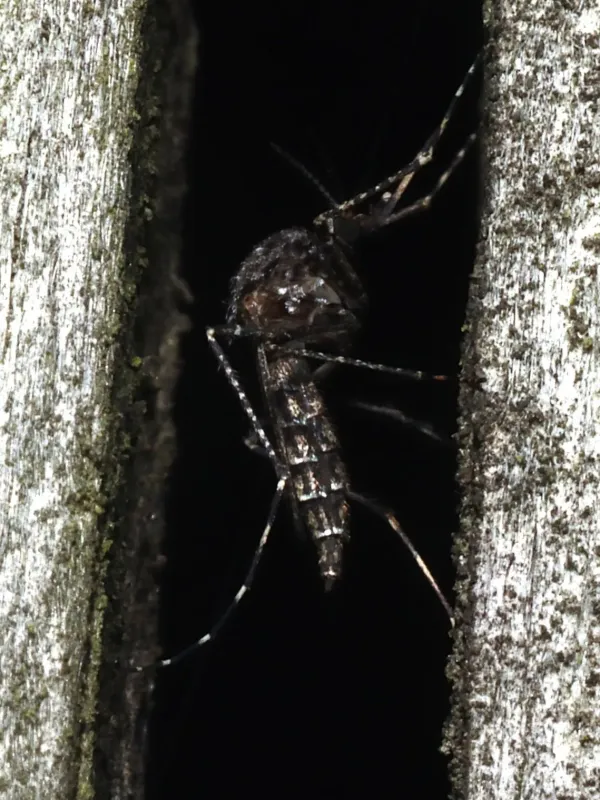
Psorophora columbiae, commonly known as the dark rice field mosquito, is a significant member of the Culicidae family known for its aggressive blood-feeding habits.
The adult mosquitoes are characterized by their relatively large size and a distinct gray-brown appearance, with identifiable pale scales on their wings and legs.
Their biological cycle is intricately linked to temporary water sources. Females lay eggs in moist soil that is prone to periodic flooding rather than directly in permanent water.
The eggs have an remarkable ability to withstand desiccation, remaining viable in the soil for extended periods until suitable flooding occurs, which triggers hatching.
Development from larvae to adult is exceptionally rapid, allowing for explosive population growth following rainfall events, which poses a constant challenge for farmers.
What it damages
The primary agricultural impact of Psorophora columbiae is its role as a severe nuisance and parasite to cattle, horses, and other livestock animals.
Frequent bites cause intense irritation and stress, leading to substantial reductions in milk production and weight gain in affected beef and dairy herds.
Beyond the direct impact of blood loss, these mosquitoes act as vectors for various pathogens, including viruses that cause equine encephalomyelitis and West Nile virus.
The skin lesions resulting from persistent biting often lead to secondary infections, requiring increased veterinary attention and higher operational costs for ranchers.
The overall productivity decline in livestock due to mosquito swarming represents a significant economic burden on pasture-based agricultural systems.
When it appears
Seasonal activity is highly correlated with rainfall patterns and the frequency of soil flooding in pasture areas and drainage ditches.
Populations are typically most active during the spring and summer months, often peaking immediately after heavy precipitation events that create ideal breeding conditions.
In temperate and tropical climates, several generations can be produced within a single season, maintaining persistent pressure on animal health throughout the year.
While most active at dusk and dawn, these mosquitoes are known to feed during the day if the population density is high or environmental conditions allow.
The species survives unfavorable seasons in the egg stage, which remains dormant in the top layers of the soil until the next cycle of flooding begins.
Control measures
Effective management of Psorophora columbiae requires an integrated strategy focusing on source reduction and the protection of livestock herds.
Improving drainage systems and minimizing standing water on pasture lands is the most effective way to eliminate the breeding sites of this mosquito species.
Biological larvicides, such as those containing Bti (Bacillus thuringiensis israelensis), can be applied to flooded areas to control larvae without harming ecosystems.
- Application of approved insecticides to protect livestock during peak mosquito activity.
- Use of topical repellents or ear tags for cattle to reduce biting frequency.
- Monitoring adult population levels using light traps to time management interventions accurately.
Cooperation between agricultural producers and vector control agencies is essential to coordinate large-scale mitigation efforts in heavily infested regions.
Taxonomy
- Latin name
- Psorophora columbiae
- Order
- Diptera (flies)
- Family
- Culicidae
- EPPO code
- PSOPCL
Discussion
No discussions yet — be the first.