
Psorophora
Psorophora
Description
How to identify
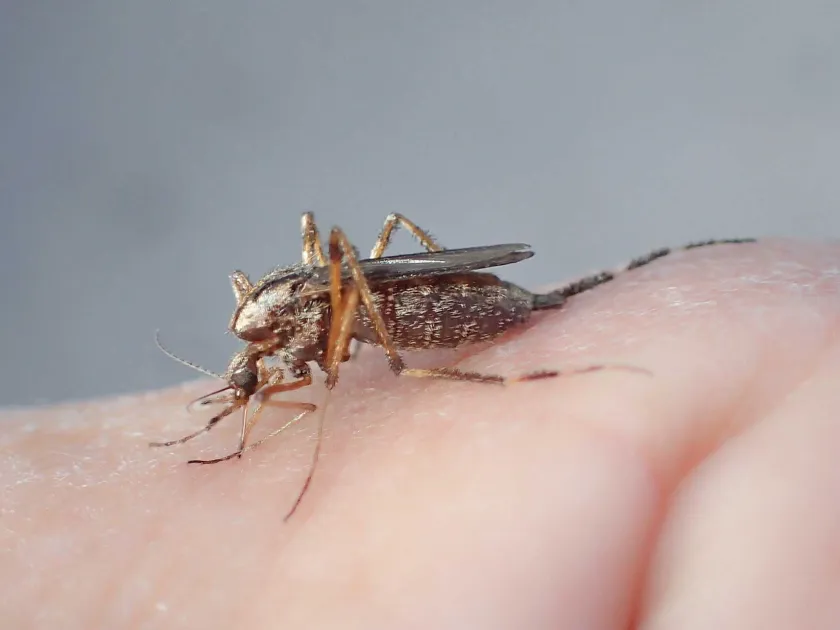
Psorophora is a genus of mosquitoes in the family Culicidae, commonly referred to as floodwater mosquitoes. These insects are known for their ability to thrive in temporary aquatic habitats created by heavy rainfall.
Morphologically, they are recognized by specific features on their tarsi and wings. Their life cycle is highly specialized, allowing them to rapidly colonize areas as soon as they are flooded with water after a dry spell.
Adult females are aggressive biters and are notoriously large in size compared to other common mosquito species. They are primarily active during dawn, dusk, and overcast days, often forming large swarms.
The biology of Psorophora is unique because their eggs can remain dormant in the soil for months or even years. They only hatch when environmental conditions provide sufficient flooding, ensuring the species' survival during drought.
Their developmental speed is rapid, meaning that mass emergence can occur within just a few days after significant rain events, presenting a sudden challenge for farmers.
What it damages
While Psorophora does not feed on crops, it is a significant pest in agricultural settings due to the severe harassment of livestock. They act as persistent ectoparasites that impact cattle, sheep, and horses.
Mass attacks cause profound distress among livestock. Animals under siege from these mosquitoes fail to graze effectively, leading to reduced nutrient intake and significant losses in body weight.
Biting activity induces allergic reactions, intense itching, and secondary skin infections. The chronic stress of dealing with constant swarms negatively affects milk production and the overall vitality of the herd.
These mosquitoes are efficient vectors of various viral diseases, including equine encephalomyelitis. This poses a direct veterinary threat to animal health and farm productivity.
Farmers often suffer indirect economic damage due to the need for expensive insecticidal applications and the disruption of regular pasture rotation schedules.
Signs of infestation
The presence of Psorophora is signaled by a sudden and massive population surge immediately following localized flooding. Cattle show signs of extreme agitation, such as twitching skin and constant tail switching.
Physical signs on livestock include localized swelling and inflamed bite marks. If grazing time is reduced significantly, it is a clear indicator that the mosquito burden has reached a critical threshold.
- Abnormal gathering or restlessness of the herd.
- Noticeable weight loss in grazing animals.
- Increased insect activity near drainage ditches and low-lying fields.
Control measures
Effective control of Psorophora focuses on land management to eliminate larval breeding sites. Improving field drainage to prevent water stagnation is the most sustainable approach.
For immediate relief, insecticides formulated for veterinary use can be applied to livestock. Pour-on treatments and medicated ear tags provide significant protection against biting.
Biological control agents, such as formulations of Bacillus thuringiensis israelensis, are highly effective when applied to temporary water bodies to kill larvae before they emerge as adults.
The use of fans and misting systems in livestock housing can deter these mosquitoes from attacking confined animals, significantly reducing their stress levels.
Integrated pest management strategies, involving regular monitoring of rainfall and local mosquito populations, are essential to mitigate the impact of this pest during high-risk seasons.
Taxonomy
- Latin name
- Psorophora
- Order
- Diptera (flies)
- Family
- Culicidae
- EPPO code
- PSOPSP
Discussion
No discussions yet — be the first.