
Mansonia titillans
Mansonia titillans
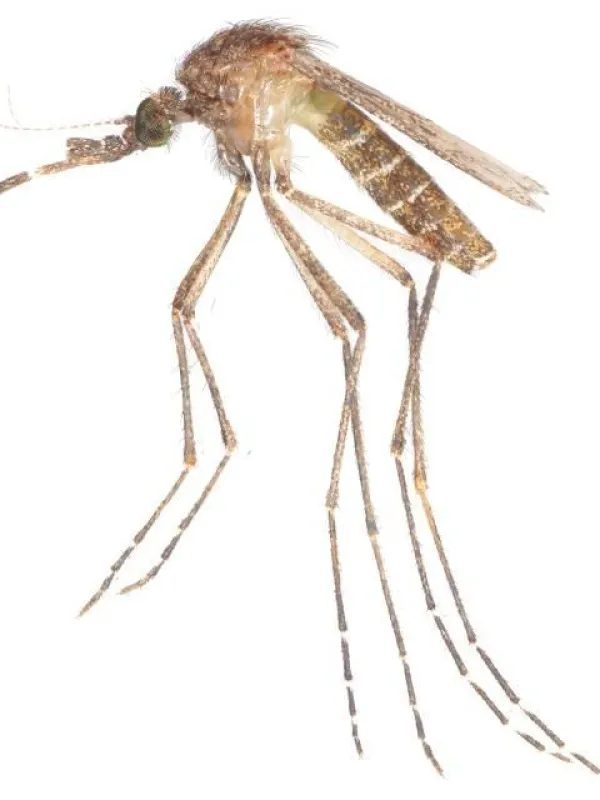
Description
How to identify
Mansonia titillans is a mosquito species within the Culicidae family, distinguished by its unique wing scales that exhibit a characteristic mottled or speckled appearance.
The adult mosquito possesses a specialized proboscis structure designed to pierce the skin of hosts to obtain blood meals, primarily targeting warm-blooded animals.
The species is primarily nocturnal, making it difficult to detect during daylight hours, as adults often rest in shady, humid areas near vegetation.
A distinctive feature of the immature stages is that both larvae and pupae obtain oxygen by attaching their specialized breathing siphons to the roots or stems of aquatic plants.
This biological dependency makes them uniquely adapted to stable aquatic environments rich in specific floating or submerged vegetation.
What it damages
While not a direct agricultural crop pest, Mansonia titillans poses a significant economic threat to livestock and poultry production systems.
Constant biting pressure causes severe irritation and restlessness in cattle, leading to significant decreases in milk yield and weight gain rates.
The wounds inflicted by mosquito bites can lead to secondary infections, skin damage, and significant welfare issues for farm animals.
Furthermore, these mosquitoes are known vectors for various arboviruses, which can lead to disease outbreaks and heavy losses in affected herds.
Managing this pest is crucial for maintaining animal health and productivity in regions where suitable wetland habitats are prevalent.
When it appears
The seasonal activity of Mansonia titillans is highly dependent on rainfall patterns and the presence of suitable breeding water bodies.
In tropical environments, the mosquito remains active throughout the year, with continuous breeding cycles sustained by stable water temperatures.
Population peaks typically coincide with the rainy season, as increased water levels support the rapid proliferation of aquatic host plants.
As temperatures rise, the developmental cycle of the larvae accelerates, leading to a faster turnover of generations and higher adult density.
While colder temperatures can slow down the life cycle, the larvae remain protected under water, effectively surviving periods of minor thermal fluctuation.
Signs of infestation
The primary sign of a Mansonia titillans infestation is the presence of large numbers of mosquitoes near wetlands during twilight and nighttime.
Livestock behavior often serves as a key indicator; cattle may display agitation, frequent tail-swishing, and attempts to seek shelter during peak biting hours.
Skin examinations of affected animals often reveal characteristic swellings, bite marks, or lesions caused by the persistent feeding activity of the mosquitoes.
Sampling of aquatic plants, particularly those with submerged root systems, can reveal the presence of attached larvae and pupae confirming the breeding site.
Auditory signs, such as a localized swarm humming at dusk, are common indicators of high-density populations in the vicinity of pastures or stables.
Control measures
The most effective strategy for managing this mosquito is the mechanical removal or reduction of host plants like water hyacinth and water lettuce.
Biological control methods involving Bti-based formulations applied to water bodies can effectively target the larval stages while minimizing ecological impact.
Implementing physical barriers, such as fine-mesh screening in animal housing, significantly mitigates the impact of nocturnal mosquito attacks on livestock.
Judicious use of environmentally friendly repellents or treated livestock ear tags can provide localized protection for animals in high-risk areas.
Long-term management requires continuous monitoring of water bodies and integration of habitat modification to permanently reduce mosquito breeding grounds.
Taxonomy
- Latin name
- Mansonia titillans
- Order
- Diptera (flies)
- Family
- Culicidae
- EPPO code
- MANSTI
Discussion
No discussions yet — be the first.