
Haemagogus equinus
Haemagogus equinus
Description
How to identify
Haemagogus equinus is a species of mosquito belonging to the family Culicidae. Adult insects are easily identified by their brilliant metallic sheen, which typically features green or blue hues, making them distinct from many common mosquito species.
Systematically, this species is categorized within the genus Haemagogus, known for its diurnal activity and preference for tropical forest environments. They are equipped with a specialized proboscis designed to pierce the skin of vertebrates for blood-feeding.
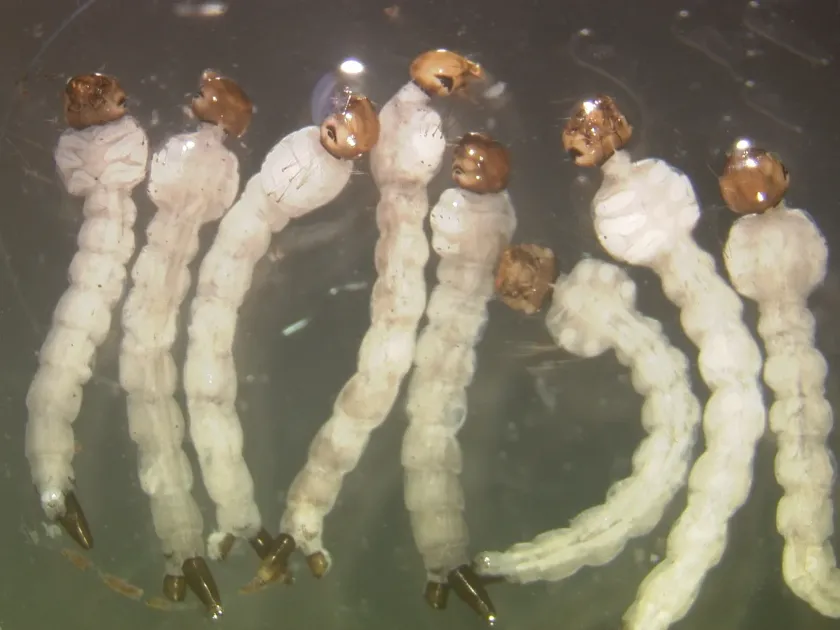
The life cycle encompasses egg, larval, pupal, and adult stages. Larvae primarily develop in water-filled tree holes, but they are opportunistic and can inhabit artificial containers, making them a recurring problem in areas near human activity.
Unlike many other mosquitoes that prefer dawn or dusk, Haemagogus equinus is highly active during the daylight hours. This behavior is crucial for farmers to understand when assessing the risk to livestock during grazing hours.
Their ability to thrive in the canopy layer while also descending to ground level when necessary makes them efficient vectors, capable of reaching various hosts effectively in both natural and managed landscapes.
What it damages
While Haemagogus equinus does not consume plant tissue, its impact on the agricultural sector is significant due to its role as a vector for various pathogens. These pathogens pose a severe risk to livestock health and productivity.
As a known vector for the yellow fever virus and other arboviruses, this mosquito creates a sanitary risk that can disrupt farm operations. Outbreaks among livestock may lead to mandatory health restrictions and quarantine measures.
The constant biting pressure from large mosquito populations causes significant stress to grazing animals. This stress reaction often results in reduced weight gain, lower milk production, and an overall decrease in the economic output of livestock enterprises.
Financial losses are also incurred through the increased demand for veterinary supplies, repellents, and the time required for animal care and health monitoring in regions plagued by these pests.
In cases of high density, the presence of these mosquitoes may force farmers to abandon certain grazing grounds during peak seasons, complicating pasture rotation and increasing the cost of supplementary feeding.
When it appears
The population dynamics of Haemagogus equinus are heavily influenced by rainfall patterns. High levels of precipitation create the water-filled reservoirs necessary for larvae development, leading to sharp increases in adult mosquito numbers.
Warm temperatures, generally above 25 degrees Celsius, accelerate the development of all life stages. During the height of the rainy season, these mosquitoes demonstrate their most intense activity levels.
Periods of prolonged drought can reduce the population, but the species is resilient; as long as small amounts of water remain in tree hollows or debris, they can survive and rebound quickly when conditions improve.
For agricultural management, the post-rain period is critical for surveillance. Proactive monitoring of environmental conditions helps in timing the application of control measures to prevent a massive emergence of adults.
The seasonal nature of their activity means that preventative measures should be intensified during the transition from the dry season to the rainy season to keep the local population under control.
Signs of infestation
Visible signs of infestation include erratic and nervous behavior in livestock while out in the pasture. Animals may frequently stomp their feet, flick their tails, and seek shelter to avoid the persistent mosquito attacks.
Physical evidence on animals includes widespread bite marks, which can often lead to secondary skin infections or allergic dermatitis. These health issues contribute to the animal's physical decline and discomfort.
The presence of adult mosquitoes with a metallic sheen near agricultural buildings or wooded edges is a clear indicator of a local population. Monitoring traps are highly recommended to confirm the species and its density.
Larval infestation in water-holding sites like old tires, buckets, or rotting logs near the farm perimeter confirms the mosquito is actively breeding in the immediate vicinity of the livestock.
Reduced productivity without obvious nutritional or pathological causes should prompt an investigation into environmental pests, as intense mosquito pressure often goes unnoticed until the impact on yield becomes substantial.
Control measures
Effective management begins with strict sanitation of the agricultural premises. Removing all artificial containers, such as abandoned equipment, empty pots, or tires, that collect rainwater is essential to eliminate breeding sites.
Chemical control measures include the targeted application of insecticides around housing facilities. It is vital to use products approved for agricultural environments to ensure the safety of both animals and human handlers.
Personal and livestock protection via repellents is a critical layer of defense. Applying specialized animal-safe repellents helps reduce the frequency of bites and prevents the transmission of mosquito-borne viruses.
Biological control agents, such as formulations containing Bacillus thuringiensis, are highly effective for treating water sources where larvae are found. These provide a targeted solution that minimizes harm to the local ecosystem.
- Maintain clear pasture boundaries by trimming overgrown brush and weeds.
- Install tight-mesh screens on all livestock shelter openings to minimize entry.
- Conduct regular field inspections for potential new water-holding receptacles.
- Implement an aggressive vaccination program for livestock against known arboviruses.
Taxonomy
- Latin name
- Haemagogus equinus
- Order
- Diptera (flies)
- Family
- Culicidae
- EPPO code
- HAEGEQ
Discussion
No discussions yet — be the first.