
Haemagogus chalcospilans
Haemagogus chalcospilans
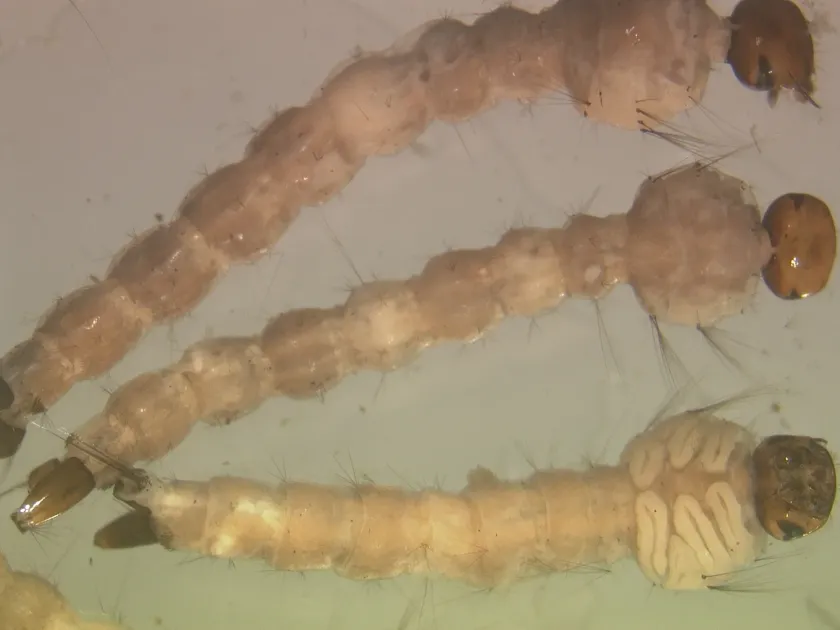
Description
How to identify
Haemagogus chalcospilans is a species of mosquito belonging to the family Culicidae, order Diptera. These insects are easily identified by their metallic sheen on the body, a feature reflected in their specific name, and a well-developed proboscis designed for blood-feeding.
The life cycle encompasses four distinct stages: egg, larva, pupa, and adult. Unlike many common mosquito species, this specific type thrives in small, temporary water collections often found in tree holes or discarded artificial containers filled with rainwater.
Adult males feed on plant nectar, whereas females require a blood meal from vertebrate hosts to facilitate egg maturation. A significant behavioral trait is their diurnal activity pattern, meaning they are active during the day rather than at night.
Identifying this species requires professional entomological expertise, involving the microscopic examination of wing scales and male genitalia structures. It remains a key focus of public health and agricultural research due to its capacity as a disease vector.
Its presence is primarily documented in tropical forest fringes, frequently overlapping with cultivated areas where agricultural labor takes place.
What it damages
Haemagogus chalcospilans does not cause direct phytophagous damage to crops. It is not an herbivore and does not consume plant tissues or cause physical destruction to vegetation.
The primary economic impact is related to the creation of hostile working environments in agricultural zones located near forest habitats. High levels of mosquito aggression often lead to severe disruptions in field operations and reduced worker productivity.
As a potential vector for various viruses affecting humans and wildlife, this mosquito limits the accessibility of certain land tracts. Its presence necessitates rigorous safety measures for any personnel operating within its habitat.
The species exhibits strong adaptability to landscape changes driven by the expansion of agricultural plantations. This movement brings the pest population into closer proximity to farming sites, complicating long-term site management.
While the crop itself remains untouched, the cost of labor protection and the necessity of managing pest populations represent significant indirect costs to agricultural enterprises.
Signs of infestation
The main indication of Haemagogus chalcospilans presence is a high density of aggressive, day-biting mosquitoes in areas adjacent to woodlands. Identifying breeding sites, such as standing water in tree holes or debris, is a primary indicator of infestation.
Visual monitoring of aquatic stages in local reservoirs is an effective way to track population growth. Larvae are easily spotted due to their distinct swimming movements when the water surface is disturbed.
Adults are most active during periods of high humidity and heat, typical of tropical environments. Field workers often report high levels of biting activity during daytime work shifts, which serves as a practical diagnostic signal.
There is a strong correlation between the start of the rainy season and the emergence of adult populations, as rainwater provides the necessary environments for the larvae to complete their development.
Deployment of baited traps specifically designed for diurnal mosquitoes allows for precise population monitoring and risk assessment within agricultural settings.
Control measures
Control of Haemagogus chalcospilans focuses on the elimination of larval breeding grounds. This includes the regular drainage of stagnant water, cleaning of artificial containers, and proper management of field debris that could harbor water.
Biological control agents, particularly those based on Bacillus thuringiensis israelensis, are highly effective against larvae without harming non-target organisms or crop quality.
Insecticide application should be targeted and strictly managed according to environmental guidelines to ensure safety and prevent negative impacts on the agricultural ecosystem.
Protection of personnel is achieved through the use of effective personal protective equipment, such as long-sleeved clothing and approved repellents, which are essential for safety in high-risk areas.
Establishing buffer zones around forest borders and conducting regular entomological assessments are critical strategies for integrating pest control into overall agricultural management plans.
Taxonomy
- Latin name
- Haemagogus chalcospilans
- Order
- Diptera (flies)
- Family
- Culicidae
- EPPO code
- HAEGCH
Discussion
No discussions yet — be the first.