
Culiseta
Culiseta
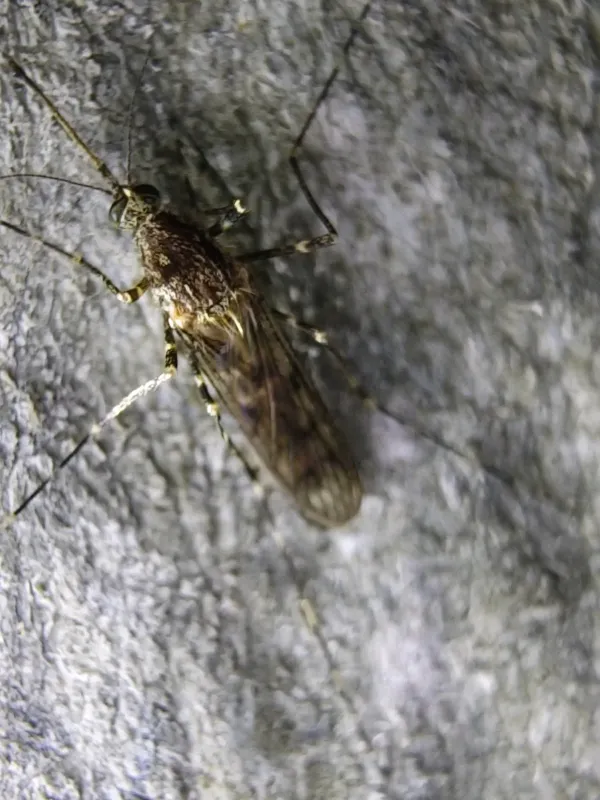
Description
How to identify
The genus Culiseta belongs to the Culicidae family (mosquitoes), order Diptera. These are robust insects often found near bodies of water and in wooded areas.
A distinctive feature of females in this genus is the presence of specific scales on their wings and a unique arrangement of bristles on the thorax, which aids entomologists in accurate identification.
Adults are relatively large compared to other mosquito species, making them easily noticeable during the evening hours when they are most active.
Culiseta larvae develop exclusively in water, preferring stagnant or slow-moving water bodies containing organic matter, which provides them with a consistent food supply.
The coloration of adults ranges from grayish-brown to almost black, allowing them to effectively camouflage against tree bark and dense vegetation.
What it damages
While Culiseta are not agricultural crop pests in the traditional sense, they cause significant damage to livestock and animal husbandry operations.
The blood-feeding activity of females causes severe stress to farm animals, leading to reduced productivity, weight loss, and lower milk yields in cattle.
Mass reproduction of these insects can make it nearly impossible to conduct agricultural tasks in the field during dawn and dusk due to aggressive swarming.
Indirect harm is caused by their role as vectors for various viral and parasitic diseases, which pose a threat to both livestock and human health.
Their presence on farms negatively impacts work efficiency and creates unfavorable sanitary conditions in agricultural environments.
When it appears
Adult Culiseta activity begins in early spring, as soon as ambient temperatures allow them to emerge from their overwintering sites.
Unlike many other mosquito genera, some species of Culiseta demonstrate cold tolerance and can remain active even during low positive temperatures.
Population peaks usually occur during the summer months when high humidity and the presence of temporary water bodies facilitate rapid reproduction.
The lifecycle includes four distinct stages: egg, larva, pupa, and adult. During warm seasons, generations rotate quickly, leading to an exponential increase in population size.
In autumn, as temperatures drop, adult activity gradually declines, and fertilized females enter diapause in sheltered areas to survive the winter successfully.
Control measures
The primary method of population control involves land reclamation and the drainage of small, stagnant water bodies that serve as breeding grounds for larvae.
The use of biological control agents, such as Bacillus thuringiensis, is recommended as they specifically target mosquito larvae without harming beneficial fauna.
Insecticide application in areas of high adult concentration helps reduce pressure on staff and animals but requires strict adherence to pre-harvest intervals and safety protocols.
The installation of light traps and the use of insect repellents serve as effective supplementary measures when working in highly infested areas.
- Drainage of temporary puddles and swampy sections of farmland.
- Regular clearing of drainage ditches from excess vegetation.
- Installation of mosquito screens in barns and livestock buildings.
- Use of protective gear and clothing for field workers.
Taxonomy
- Latin name
- Culiseta
- Order
- Diptera (flies)
- Family
- Culicidae
- EPPO code
- CULSSP
Discussion
No discussions yet — be the first.