
Culex tritaeniorhynchus
Culex tritaeniorhynchus
Description
How to identify
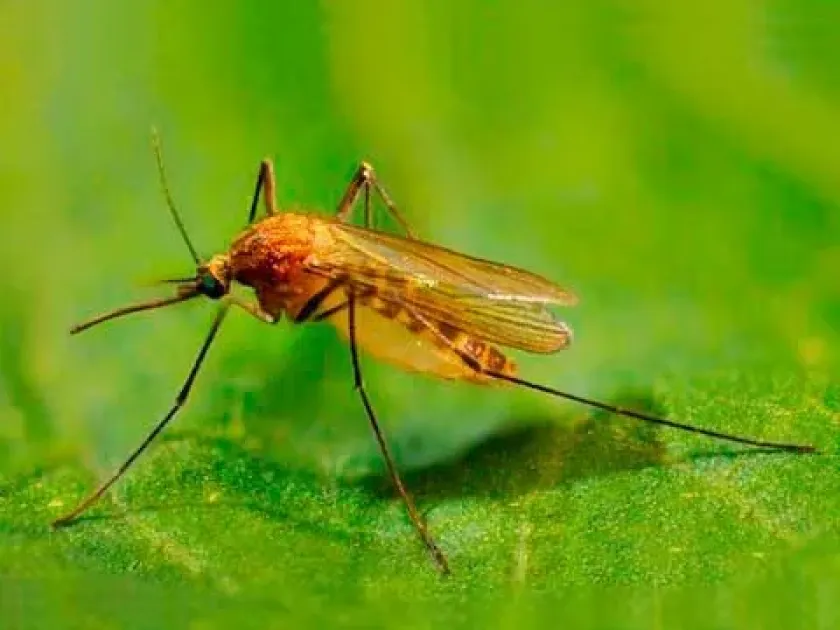
Culex tritaeniorhynchus is a species of mosquito in the Culicidae family, widely distributed across tropical and subtropical regions of Asia.
The adult mosquito is characterized by a dark appearance with a distinct light-colored band in the middle of the proboscis, serving as a key diagnostic feature.
They undergo a complete metamorphosis: egg, larva, pupa, and adult. The larval stage is exclusively aquatic, typically found in rice paddies and stagnant water bodies.
These mosquitoes are nocturnal, meaning they are most active during the night, which significantly impacts human and animal safety in agricultural areas.
The species possesses high ecological plasticity, allowing it to adapt to various environmental conditions common in rice-growing regions.
What it damages
While Culex tritaeniorhynchus does not feed on crops directly, it causes significant damage to the agricultural economy as a primary vector of Japanese encephalitis.
The virus carried by these mosquitoes affects livestock, causing high morbidity and mortality rates, which disrupts the farming industry.
Farmers in infested areas often face strict quarantine measures and trade restrictions, affecting the export of agricultural products.
Increased costs associated with veterinary medicine, livestock vaccination, and pest control programs significantly reduce the profitability of affected farms.
Indirect damage includes the need for protective infrastructure, such as insect-proof housing for cattle, increasing the operational overhead of the farm.
When it appears
The population of this species peaks during the warm, humid months when temperature conditions are optimal for larval development.
In rice-growing zones, the season coincides with the irrigation phase of rice paddies, providing extensive breeding sites for the mosquitoes.
Environmental factors like rainfall patterns significantly influence the size of each generation, with stagnant water being a critical requirement.
As the weather cools, the mosquitoes enter a period of reduced activity or hibernation, hiding in sheltered areas to survive the winter.
The number of generations per year can be very high, ensuring a rapid population rebound even after localized control efforts.
Signs of infestation
High numbers of mosquito larvae in irrigation canals and flooded fields are the primary sign of an active infestation in the area.
Increased biting activity reported near livestock barns during twilight hours indicates a high population density of adult mosquitoes.
The detection of characteristic egg rafts on the surface of standing water confirms active breeding within the immediate vicinity of the farm.
Sudden disease outbreaks among cattle herds are often linked to the presence of Culex tritaeniorhynchus as the main transmission agent.
Monitoring using specialized light traps allows agronomists and health inspectors to detect the presence of the species before it peaks.
Control measures
The most effective strategy is integrated pest management, primarily focusing on water management by periodically draining rice fields to kill larvae.
Biological control methods, including the introduction of natural predators like fish or bacteria-based larvicides, provide sustainable options.
Chemical control should be applied sparingly, targeting only specific breeding sites to avoid negative impacts on the local biodiversity.
- Clearing vegetation from the edges of irrigation channels.
- Implementing high-quality window screens on livestock sheds.
- Routine vaccination of susceptible livestock herds.
Ongoing monitoring of water sources in the agricultural landscape is essential to trigger control measures precisely when larval counts increase.
Taxonomy
- Latin name
- Culex tritaeniorhynchus
- Order
- Diptera (flies)
- Family
- Culicidae
- EPPO code
- CULXTR
Discussion
No discussions yet — be the first.