
Culex thriambus
Culex thriambus
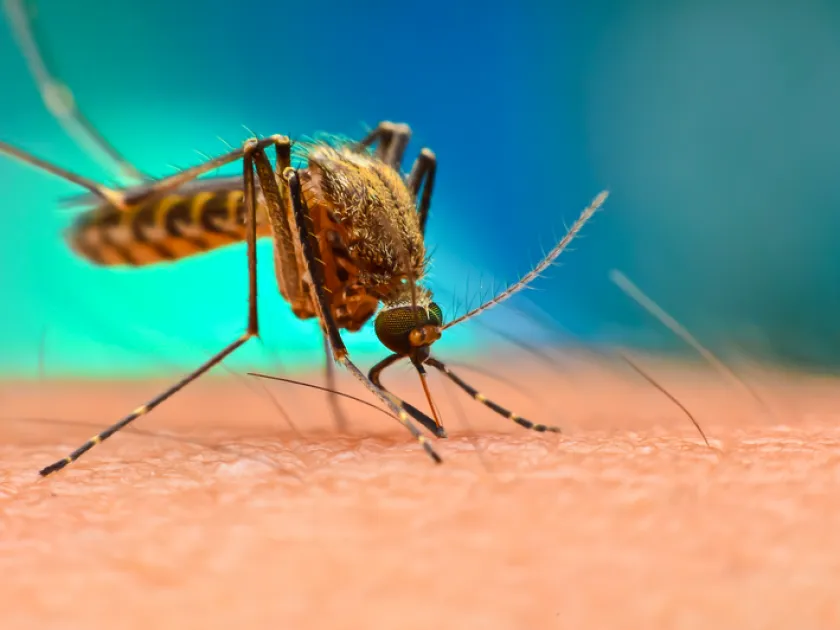
Description
How to identify
Culex thriambus is a species of mosquito belonging to the order Diptera and the family Culicidae. Like other members of the genus Culex, it is characterized by its slender body, long legs, and specialized mouthparts.
The adult mosquito typically displays a brown or grayish coloration, which provides effective camouflage in outdoor environments. Females possess piercing-sucking mouthparts required for blood-feeding, essential for egg development.
The larvae are aquatic and inhabit stagnant water sources. They are filter-feeders, consuming organic matter, algae, and protozoa from the water column using specialized oral brushes.
The development cycle progresses from egg to larvae, pupae, and finally the adult stage. This metamorphosis is highly dependent on ambient temperatures and the availability of breeding sites.
Taxonomically, the species is distinguished by subtle structural differences in the genitalia of the males, as they often resemble other closely related Culex species.
What it damages
In the context of agronomy, Culex thriambus is not classified as a direct plant pest. It does not damage crops, nor does it feed on plant tissues, roots, or fruit.
The primary concern regarding this species in an agricultural setting is the nuisance factor. High densities of these mosquitoes can significantly disrupt farm operations and decrease worker productivity.
The species may act as a vector for various animal-borne pathogens. While not a direct threat to crop health, this can cause stress and illness in livestock, leading to reduced yield and economic losses.
Ecologically, the larval stage serves as a food source for aquatic predators. Therefore, their presence is part of the natural food web within local agricultural ecosystems.
Management decisions are driven by sanitation and human health requirements rather than by the need for crop protection or damage mitigation from direct herbivory.
When it appears
The activity of Culex thriambus is heavily influenced by seasonal temperature fluctuations. Adults emerge in early spring once conditions reach favorable thresholds.
Population peaks typically occur during mid-to-late summer when water temperatures and rainfall create optimal conditions for rapid larval development.
As autumn temperatures decline, the activity slows down. Mated females seek out sheltered locations to enter a state of diapause, ensuring the species survives through the winter.
Local climatic conditions, such as humidity levels and the frequency of stagnant water formation, determine the intensity and length of the breeding season.
Regular monitoring using light traps is recommended during the warmer months to assess potential pressure on agricultural staff and livestock facilities.
Signs of infestation
The presence of this species is usually indicated by the increased numbers of flying insects, particularly in the vicinity of drainage channels or standing water.
Livestock behavior acts as a key indicator of infestation; animals often display defensive behaviors like ear flicking, tail swishing, and movement to avoid bites.
Larval stages can be visually detected in water sources, where they hang near the surface to breathe. They are often found in quiet, nutrient-rich pools or water storage containers.
Increased biting frequency among workers is a strong sign of proximity to a major breeding source, necessitating an inspection of the site's irrigation or drainage infrastructure.
- Persistent humming and biting in outdoor work areas.
- Agitated behavior in housed livestock.
- Presence of wigglers in stagnant water containers.
Control measures
The most effective strategy for managing this mosquito is the systematic reduction of breeding sites. This involves draining standing water and maintaining proper drainage systems.
Biological control agents, specifically Bacillus thuringiensis israelensis (Bti), are highly recommended as they specifically target mosquito larvae without harming beneficial insects.
For personnel protection, the use of repellents and appropriate work attire is advised. In farm buildings, screens and light-based trapping systems help manage adult populations.
Promoting natural predators, such as dragonflies and insectivorous birds, is an important part of an integrated management approach that keeps populations at low levels.
Indiscriminate chemical insecticide application should be avoided, as it can disrupt the balance of the ecosystem and potentially harm non-target pollinators or predators.
Taxonomy
- Latin name
- Culex thriambus
- Order
- Diptera (flies)
- Family
- Culicidae
- EPPO code
- CULXTM
Discussion
No discussions yet — be the first.