
Culex stigmatosoma mosquito
Culex stigmatosoma
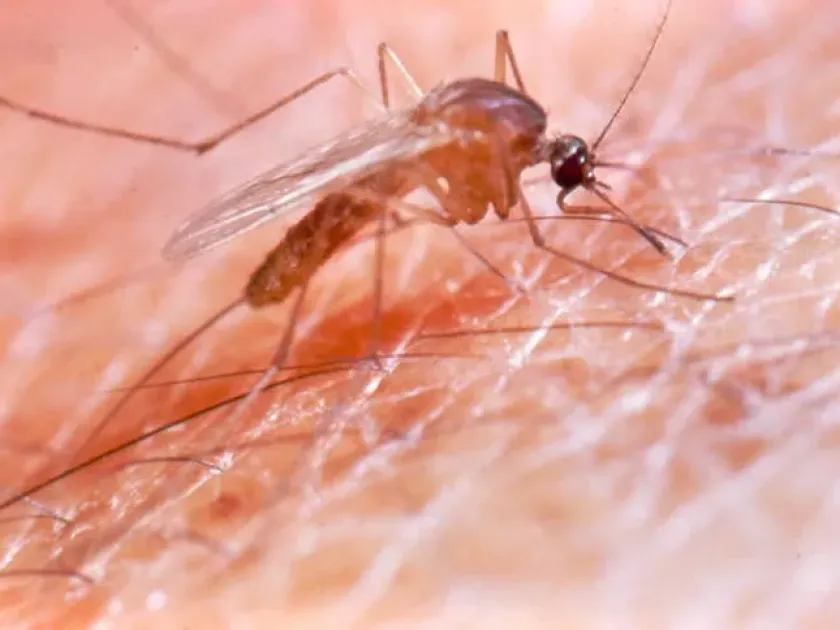
Description
How to identify
The Culex stigmatosoma is a species of mosquito belonging to the order Diptera and the family Culicidae. Like other members of the Culex genus, it possesses a specialized proboscis for piercing skin and wings adorned with narrow, fine scales.
Identification can be achieved by observing specific patterns on the abdomen and thorax, which distinguish this species from its close relatives. Adult mosquitoes typically exhibit a brownish coloration, facilitating camouflage within their natural environment.
The larval stage occurs in water, where they maintain a vertical position relative to the surface. They possess a long respiratory siphon, allowing them to breathe atmospheric air while submerged in the water column.
Females deposit their eggs in characteristic rafts on the surface of standing or slow-moving water. This behavior is a key diagnostic feature, allowing for the easy differentiation of Culex egg rafts from those of other mosquito genera that lay eggs individually.
Definitive identification often requires microscopic examination of male genital structures, as the external morphology of adults can be remarkably similar to other species within the Culex pipiens complex.
What it damages
Although Culex stigmatosoma does not directly consume plant tissue, it is considered a pest in agricultural ecosystems. Mass breeding in irrigation systems and water storage tanks creates significant discomfort for staff working in greenhouses and open fields.
The indirect economic impact involves the potential transmission of various pathogens. Females of this species can act as vectors for arboviruses, which may negatively affect the health of livestock grazing near breeding sites.
The intensive presence of mosquitoes in crop production areas hinders planned agricultural operations. During periods of high pest density, the efficiency of field workers significantly decreases.
Larvae developing in irrigation ponds can disrupt the aquatic ecosystem, indirectly impacting the quality of water used for crop irrigation.
Therefore, the primary harm lies in the creation of adverse sanitary conditions that require investment in pest control measures throughout the agricultural season.
When it appears
The life cycle of Culex stigmatosoma is tightly linked to temperature regimes. Adult activity begins when stable positive temperatures are reached in spring and water temperatures rise to approximately 15-20 degrees Celsius.
The population peak usually occurs in mid-summer when high air and water temperatures accelerate larval metabolism. Under optimal conditions, a single developmental cycle can be completed in less than two weeks.
In autumn, as temperatures drop, insect development slows down. Fertilized females enter a state of diapause, seeking shelter in protected areas such as farm buildings, basements, or natural crevices.
The number of generations per year depends directly on the climate; in southern regions, five or more generations are possible, making population management critical throughout the growing season.
Overwintering adults ensure a rapid resurgence of the population the following spring as soon as water bodies begin to thaw.
Signs of infestation
The first sign of infestation is increased flying insect activity during the dawn and dusk hours. The presence of numerous mosquitoes near irrigation canals points to potential breeding hotspots.
Inspecting the surface of standing water may reveal floating egg rafts — small dark 3-5 mm structures. Finding these is clear evidence of active breeding on the premises.
Large clusters of larvae may be observed in the water column; they exhibit a characteristic "dive" response, quickly retreating to the depths upon sensing vibrations or shadows.
The presence of numerous pupae in the water indicates that a new generation of adults will emerge within a few days, requiring prompt action from the agronomist.
Increased complaints from staff regarding insect bites during manual greenhouse tasks also serve as an indicator of growing population density in the area.
Control measures
The primary control method is the elimination of breeding sites. It is essential to conduct regular cleaning and drainage of small stagnant pools, irrigation ditches, and water storage containers.
For water bodies that cannot be drained, biological control methods are recommended, such as the use of bacterial agents based on Bacillus thuringiensis israelensis, which selectively target larvae.
Introducing predatory fish, such as gambusia, into irrigation ponds is an effective way to manage larvae population without the need for chemical intervention.
In cases of high adult concentrations within production facilities, insecticide treatments using authorized pyrethroid-based products may be employed, strictly adhering to safety regulations.
Prevention includes the installation of insect screens on greenhouse and warehouse windows, as well as constant monitoring of all water sources on the agricultural site.
Taxonomy
- Latin name
- Culex stigmatosoma
- Order
- Diptera (flies)
- Family
- Culicidae
- EPPO code
- CULXST
Discussion
No discussions yet — be the first.