
Culex gelidus mosquito
Culex gelidus
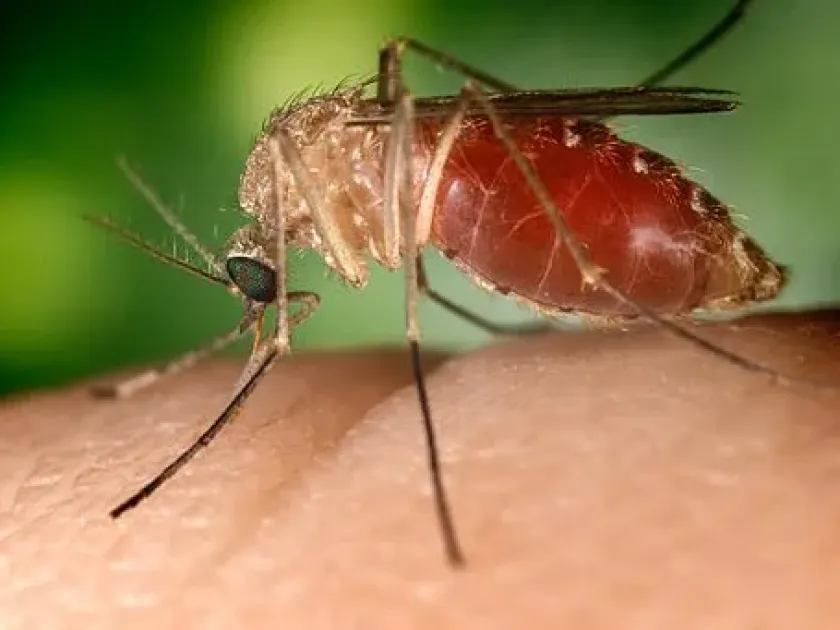
Description
How to identify
Culex gelidus is a member of the Culicidae family within the order Diptera. It is a medically and economically significant mosquito species widely distributed across tropical Asia.
Adult mosquitoes are characterized by a distinct pale scale patch on the mesonotum. The body is slender, with legs and a proboscis typical of the genus Culex.
The life cycle involves four stages: egg, larva, pupa, and adult. Eggs are laid in "rafts" on the water surface, preferably in locations with organic matter contamination.
Larvae are aquatic and filter feeders, grazing on microscopic organisms in stagnant water. Their growth rate is highly sensitive to ambient temperature and water quality.
Morphological identification is usually performed by entomologists examining the hypopygium of males, as the general appearance resembles other Culex species.
What it damages
Culex gelidus does not feed on plant tissues and causes no direct mechanical damage to crops. Its status as a pest is defined by its role in disease transmission.
The species is a known vector of the Japanese encephalitis virus. This creates significant risks for workers involved in labor-intensive agricultural activities like rice cultivation.
High population densities in rural and agricultural settings negatively impact human productivity and general safety during harvest and planting seasons.
Furthermore, the spread of arboviruses to livestock on farms can lead to outbreaks, causing economic losses for agricultural businesses operating in endemic regions.
The presence of this mosquito is often correlated with irrigated lands, necessitating integrated management strategies to minimize the risks posed to farm employees.
Control measures
Management focuses on disrupting the larval habitat. Draining temporary stagnant water bodies and maintaining proper drainage systems are essential preventative steps.
Biological control using Bacillus thuringiensis israelensis (Bti) serves as a targeted and environmentally friendly method for controlling larval populations.
For personnel protection, the use of effective insect repellents and protective clothing is recommended when working in high-risk areas during dawn and dusk.
Inside agricultural facilities and barns, residual spraying of surfaces with pyrethroid-based insecticides helps reduce the density of adult mosquito populations.
- Implementation of water management strategies in irrigation systems.
- Use of light traps for regular population monitoring.
- Employee training on protection against vector-borne diseases.
Taxonomy
- Latin name
- Culex gelidus
- Order
- Diptera (flies)
- Family
- Culicidae
- EPPO code
- CULXGE
Discussion
No discussions yet — be the first.