
Culex erraticus
Culex erraticus
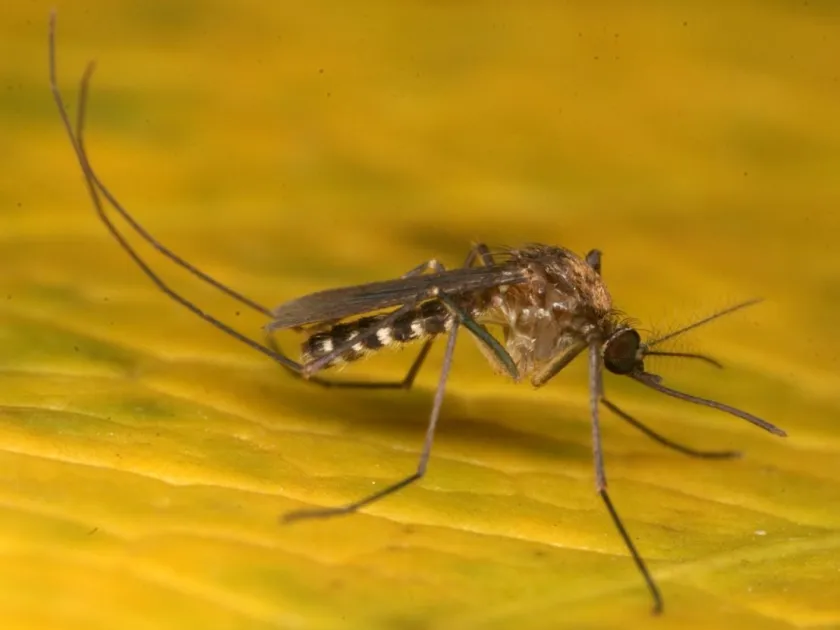
Description
How to identify
Culex erraticus is a species of mosquito in the family Culicidae, order Diptera. It is a small insect that is morphologically similar to many other species within the Culex genus.
Adults are generally brownish in color. Identification usually requires the microscopic examination of male genitalia or other specific anatomical structures by an expert entomologist.
The larvae are typically found in permanent or semi-permanent bodies of water, thriving among dense aquatic vegetation which provides protection from predators.
Females are blood-feeders that are attracted to both avian and mammalian hosts, which is a key factor in their role as disease vectors.
Like other members of its genus, Culex erraticus lays its eggs in floating rafts on the water surface, which are easily identified under favorable conditions.
What it damages
Although it does not feed on plant tissues, this mosquito is a major pest for livestock. It serves as a competent vector for several important viruses, including Eastern Equine Encephalitis (EEEV).
The primary agricultural impact involves the stress and irritation caused to livestock, which can lead to reduced weight gain and decreased milk production in dairy animals.
By spreading viral pathogens, the mosquito contributes to significant health risks for valuable animal stock, leading to potential veterinary crises on farms.
Economic losses are compounded by the costs associated with disease management, vaccination, and the implementation of vector control programs on grazing lands.
Therefore, managing Culex erraticus populations is critical for maintaining healthy livestock and ensuring the productivity of agricultural operations in endemic areas.
When it appears
The activity period for Culex erraticus typically spans from mid-spring through early autumn, depending on regional climatic conditions and water temperatures.
Population surges often correlate with periods of high rainfall and humidity, which create an abundance of breeding sites in the local environment.
These mosquitoes are primarily crepuscular and nocturnal, showing high activity levels during the evening hours when they seek their hosts.
The lifecycle of the mosquito is temperature-dependent, with developmental stages occurring much faster during the peak heat of mid-summer.
Adult females enter overwintering sites during the late autumn to survive cold weather, emerging again once temperatures rise sufficiently in the following spring.
Control measures
Integrated Pest Management (IPM) is the most effective approach, focusing on the removal of stagnant water sources to disrupt the mosquito breeding cycle.
Biological control agents, such as introducing larvivorous fish into ponds or using bacterial larvicides like Bacillus thuringiensis israelensis, are highly recommended.
Applying residual insecticides to surfaces where mosquitoes rest during the day can significantly reduce the local population density around farm structures.
Proper pasture management, including clearing brush and weeds near water bodies, reduces the availability of sheltered areas for adult mosquitoes.
- Screening livestock housing to prevent entry.
- Using appropriate animal-safe repellents.
- Implementing water management and drainage infrastructure.
Taxonomy
- Latin name
- Culex erraticus
- Order
- Diptera (flies)
- Family
- Culicidae
- EPPO code
- CULXER
Discussion
No discussions yet — be the first.