
Culex annulirostris
Culex annulirostris
Description
How to identify
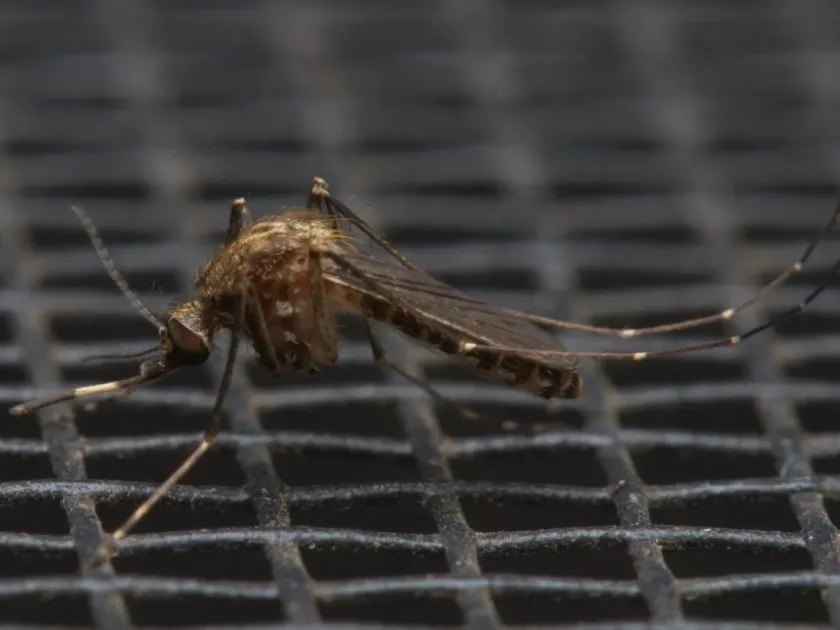
Culex annulirostris belongs to the order Diptera and the family Culicidae. This mosquito is distinguished by clear, pale bands on its proboscis and legs, which is the defining physical characteristic that separates it from other Culex species.
The adult morphology includes a slender body, long thin legs, and narrow wings covered with dark scales. The overall coloration is dark brown to black, providing camouflage in shadowy environments during their daytime resting period.
Larvae are typically found in shallow, stagnant, or slow-moving water bodies. They possess a long respiratory siphon, allowing them to hang at an angle from the water surface to breathe air, which is a key identification trait for field monitoring.
Females are aggressive biters and are primarily responsible for the economic damage caused by the species. Their mouthparts are highly specialized for piercing the skin of mammalian hosts to obtain the protein-rich blood meal required for egg development.
This species is highly resilient and adaptive, quickly colonizing artificial habitats created by human agricultural activities, such as rice paddies, irrigation drains, and water storage ponds for cattle.
What it damages
Culex annulirostris acts as a significant pest within the livestock sector. While it does not damage crops physically, its presence causes severe disturbance to cattle, sheep, and horses, leading to substantial production losses in the agricultural industry.
The mosquito is a primary vector for several arboviruses, including the Murray Valley encephalitis virus and the Ross River virus, which can cause devastating outbreaks in livestock populations, leading to reduced fertility and high mortality rates.
Continuous biting causes persistent irritation and stress among animals. This leads to a marked decrease in weight gain, as livestock spend more energy on defensive behaviors and less time grazing peacefully in pastures.
In dairy farms, the infestation causes a significant drop in milk production. The physiological stress induced by constant mosquito attacks disrupts the endocrine balance of dairy cows, resulting in lower yields and poorer quality milk.
The economic footprint also includes increased veterinary expenses and the mandatory implementation of quarantine measures, which complicate the logistics and operations of large-scale farming enterprises.
When it appears
The population dynamics of Culex annulirostris are heavily influenced by temperature and humidity. Activity typically peaks during the warmer months, especially following periods of high rainfall which create extensive breeding sites.
The species thrives in temperatures ranging from 25°C to 30°C. Within this optimal range, the developmental cycle is accelerated, allowing the mosquito to produce multiple generations in a single season and reach outbreak levels rapidly.
Activity is most pronounced during the dusk and dawn hours, although they remain active throughout the night. During the day, they shelter in cool, humid microclimates such as dense vegetation, sheds, or agricultural structures.
The seasonality is closely tied to agricultural irrigation schedules. Improper management of water flow on farms creates ideal, continuous breeding grounds that allow the population to persist even during drier spells of the year.
Adult females can survive the winter in protected environments like barns or thick scrub, ensuring a rapid emergence of the population once temperatures rise at the start of the following agricultural season.
Control measures
Integrated pest management (IPM) is essential for controlling Culex annulirostris. The primary strategy involves habitat modification, specifically the drainage of stagnant water and proper maintenance of irrigation systems to eliminate breeding sites.
Biological control methods are highly effective and environmentally friendly. The application of Bacillus thuringiensis israelensis (Bti) into affected water bodies targets larvae specifically, significantly reducing the adult population without harming non-target organisms.
Chemical control can be implemented through residual spraying of resting sites or ultra-low volume (ULV) fogging in areas with high livestock density to suppress active adult mosquito populations during peak seasons.
Livestock protection is improved by using topical repellents, insecticide-treated ear tags, and high-velocity fans in barns, which physically deter mosquitoes from landing on the animals during the night.
- Regular removal of aquatic vegetation from drainage canals
- Installation of specialized light traps for monitoring density
- Screening of livestock housing to minimize entry
- Vaccination programs to mitigate the risks of vector-borne diseases
Taxonomy
- Latin name
- Culex annulirostris
- Order
- Diptera (flies)
- Family
- Culicidae
- EPPO code
- CULXAN
Discussion
No discussions yet — be the first.