
Armigeres subalbatus
Armigeres subalbatus
Description
How to identify
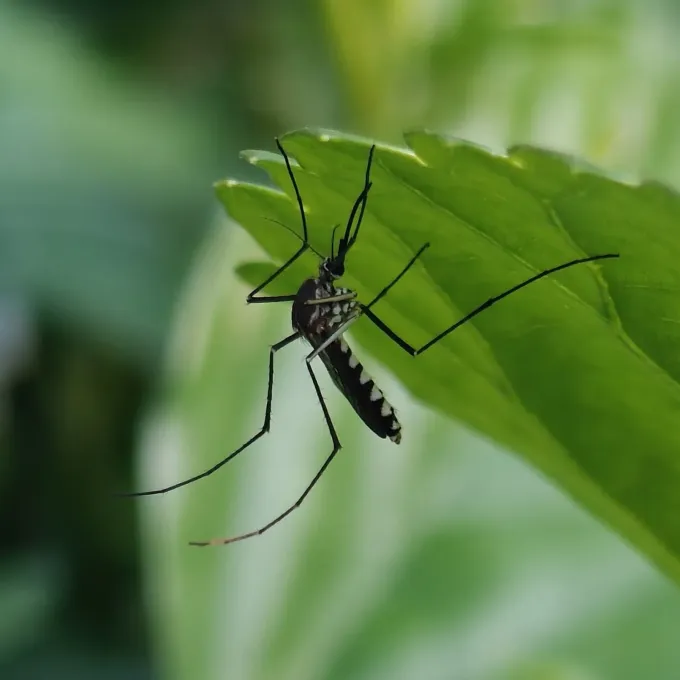
Armigeres subalbatus is a species of mosquito belonging to the family Culicidae, order Diptera, known for its distinctive morphological characteristics.
Adults are medium-sized mosquitoes with a greyish-black body and specifically lack light scales on the apex of the abdomen, which distinguishes them from related species.
The larvae primarily inhabit heavily polluted water sources, such as drainage ditches, cesspools, and containers filled with organic decaying matter.
Females are aggressive biters and are known to attack both humans and domestic animals, making them a significant nuisance in agricultural and rural settings.
Due to their adaptability to urban and rural environments, they are considered a significant vector species in various parts of Asia and surrounding regions.
What it damages
While Armigeres subalbatus does not directly consume plant tissues, its impact on agriculture is substantial due to the disruption of livestock and human labor.
Persistent biting behavior causes severe distress to cattle, leading to decreased milk yield, weight loss, and general degradation in livestock health.
The species acts as a vector for various parasites and viral pathogens, which can affect the overall sanitary quality and productivity of agricultural farms.
Field workers often struggle with high populations of this mosquito, which hinders timely planting, harvesting, and regular maintenance of crops.
The cost of implementing mosquito control measures and the indirect losses from animal health issues make this species a notable pest in agricultural management.
When it appears
The seasonal activity of Armigeres subalbatus is highly dependent on ambient temperature and the availability of water, which is necessary for the larval cycle.
Activity usually peaks during the warm and rainy months when stagnant water sources provide ample breeding grounds for the mosquito population.
In temperate regions, the population increases significantly in mid-to-late summer as the cumulative generations reach maximum density.
They are particularly active during dawn and dusk, although in dense vegetation, they can remain aggressive throughout the day.
As winter approaches or temperatures drop, the adult population declines, and the species often overwinters in stages that are resistant to cold weather.
Signs of infestation
A primary indicator of infestation is the discovery of breeding sites, such as clogged gutters, discarded containers with water, or untreated farm wastewater.
Visual observation of the distinct, wiggling larvae in any stagnant water body is a definitive sign of their presence and active reproduction.
Livestock showing signs of irritation, constant ear-flicking, or erratic movement are strong indicators of a high density of these mosquitoes in the immediate area.
Worker complaints regarding frequent and painful bites, especially near water sources or livestock shelters, confirm the presence of this pest.
The appearance of large swarms in shaded or humid areas of the farm facility serves as a clear warning sign that pest control measures are required.
Control measures
Effective management of Armigeres subalbatus relies on integrated pest management practices focusing primarily on environmental sanitation.
Eliminating stagnant water by improving drainage and regularly cleaning containers is the most effective long-term method for reducing the local population.
The application of biological larvicides containing Bacillus thuringiensis israelensis is highly effective and safe for agricultural environments.
Using protective clothing, mosquito nets, and repellent sprays is essential for protecting agricultural personnel from biting during peak activity hours.
- Drain all stagnant water sources on the property.
- Maintain drainage systems to prevent water accumulation.
- Use biological larvicides in unavoidable water bodies.
- Install physical barriers in livestock housing.
Taxonomy
- Latin name
- Armigeres subalbatus
- Order
- Diptera (flies)
- Family
- Culicidae
- EPPO code
- ARMGSA
Discussion
No discussions yet — be the first.