
Armigeres
Armigeres
Description
How to identify
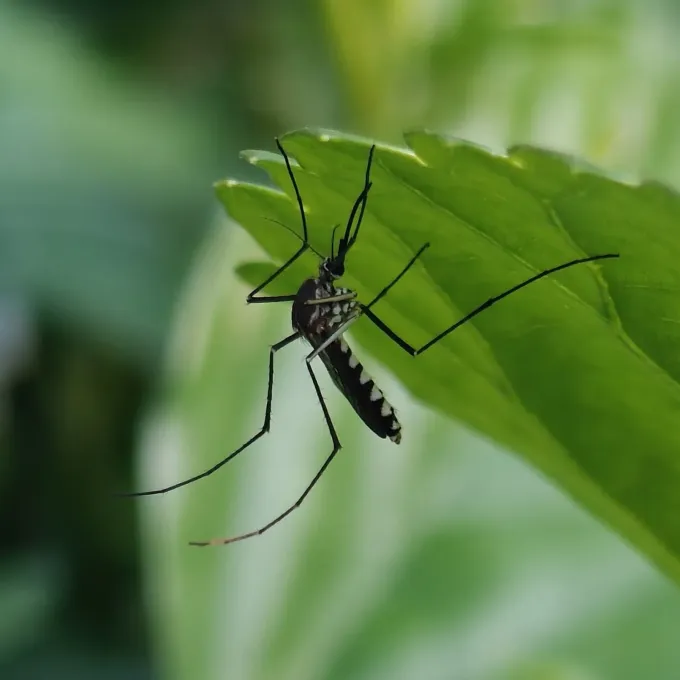
Armigeres is a genus of mosquitoes belonging to the family Culicidae, within the order Diptera. These mosquitoes are typically medium-sized, often characterized by a dark coloration and the absence of striking patterns on their body, which can make them difficult to distinguish from other similar species in the field.
A distinctive feature of adult Armigeres is the structure of the proboscis, which often curves downwards. The larvae of this genus favor specific habitats, typically developing in small water containers, stagnant pools, or areas rich in organic matter, which contributes to their rapid proliferation near human settlements and farms.
Adults are predominantly crepuscular and nocturnal, showing high aggression toward warm-blooded hosts. Unlike many other mosquito genera, they are highly adaptable to environments with high organic content, making them a common nuisance around livestock facilities and rural areas.
Identification of specific species often requires professional laboratory analysis, focusing on male genitalia or the arrangement of scales on the thorax and wings. In practical field conditions, identifying Armigeres is challenging due to their agile flight and secretive behavior during daylight hours.
The life cycle encompasses four stages: egg, larva, pupa, and adult. Given optimal temperature and humidity, the developmental cycle is remarkably fast. This rapid turnover allows populations to reach significant densities quickly, posing a persistent threat to agricultural operations throughout the warmer months.
What it damages
Armigeres mosquitoes cause significant distress to agricultural animals, acting as both aggressive blood feeders and potential vectors for various diseases. Persistent biting leads to severe irritation, reducing the animals' time spent feeding and resting, which directly affects their overall health and productivity.
In intensive livestock farming, these insects can transmit viral infections, including Japanese encephalitis and various filarial worms. Such outbreaks cause substantial economic losses due to decreased weight gain, reduced milk yield, and the need for intensive veterinary care for the affected livestock.
Chronic stress caused by nightly mosquito attacks impairs the immune system of cattle, sheep, and other farm animals. This makes the herd more susceptible to secondary bacterial and viral infections, leading to higher mortality rates and increased operational costs for the farmers involved in their care.
High population densities of Armigeres are frequently linked to poor waste management on farms. Accumulations of organic waste, open drainage ditches, and water-collecting containers serve as ideal breeding grounds. This creates a cycle of infestation that persists as long as these environmental conditions remain unmanaged.
Beyond the direct health impact, the cost of ongoing insect control and the potential loss of livestock productivity create a heavy financial burden. Farmers must often invest in expensive insecticide programs to maintain the health and welfare of their herds in regions where these mosquitoes are prevalent.
Control measures
Effective control of Armigeres focuses on an integrated pest management (IPM) approach, prioritizing the destruction of larval breeding sites. Farmers should implement strict sanitation protocols, such as removing stagnant water from troughs, clearing drainage channels, and covering or discarding unused water containers.
Biological control agents, specifically products based on Bacillus thuringiensis israelensis, are highly effective against larvae. These bacterial-based insecticides are target-specific, environmentally friendly, and pose no risk to livestock, making them an excellent choice for large-scale farm management.
Controlling adult mosquitoes in livestock housing involves the strategic application of insecticides. Using space sprays or residual surface treatments during the early evening hours can significantly reduce the adult population, providing immediate relief to animals kept in stables or enclosed barns.
For animals on open pastures, the use of repellent sprays or specialized insect-repelling tags can minimize the number of bites. Additionally, installing fine-mesh screens on barn windows and ventilation openings is a proven method to prevent mosquitoes from accessing shelters during their most active hours.
Consistent farm hygiene remains the most sustainable long-term defense. Proper management of manure and organic refuse prevents the accumulation of water and nutrients that these mosquitoes require to thrive. By combining rigorous site maintenance with targeted chemical or biological treatments, producers can successfully manage Armigeres populations.
Taxonomy
- Latin name
- Armigeres
- Order
- Diptera (flies)
- Family
- Culicidae
- EPPO code
- ARMGSP
Discussion
No discussions yet — be the first.