
Stephen's malarial mosquito
Anopheles stephensi
Description
How to identify
Anopheles stephensi is a species of mosquito in the family Culicidae, order Diptera. It is a highly adaptable vector known for its ability to thrive in both rural and urban environments.
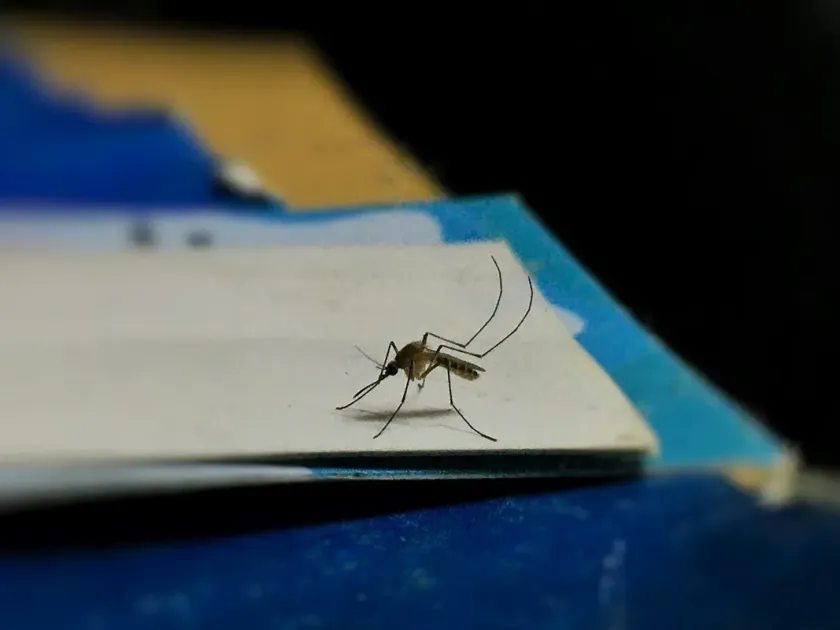
Adult mosquitoes are distinguished by their resting position, where the body is angled relative to the surface. Their wings display a characteristic pattern of light and dark scales.
The larvae are aquatic and breathe through specialized structures, lying parallel to the water surface. This is a primary diagnostic feature distinguishing them from other mosquito genera.
Females are blood-feeders, essential for their reproductive cycle, while males feed primarily on plant juices and nectar, contributing to minor pollination processes.
Adults are relatively small, usually 5-7 mm long, and have a coloration that serves as effective camouflage on various agricultural and domestic substrates.
What it damages
Anopheles stephensi is not a plant pest; it does not consume crops or cause structural damage to vegetation. Its negative impact on agriculture is strictly indirect.
Its presence creates a significant nuisance for labor forces, often disrupting agricultural operations and field maintenance during peak evening and dawn hours.
In livestock farming, dense mosquito populations can cause stress to cattle, leading to reduced milk or meat production due to constant irritation and potential disease transmission.
The economic burden stems from the need to implement sanitary measures and provide protective equipment for field personnel working in affected regions.
Therefore, managing this mosquito species is categorized under farm sanitary and safety protocols rather than traditional plant protection programs.
When it appears
The activity of Anopheles stephensi is heavily dependent on temperature and humidity. Populations typically surge when temperatures range between 25°C and 30°C.
The developmental cycle from egg to adult can be completed in as little as 7-10 days under warm conditions, leading to rapid population explosions in stagnant water.
The seasonal activity usually spans from late spring to early autumn in temperate zones, while in warmer regions, breeding can occur throughout the year.
Daily activity cycles show that females are most aggressive during twilight and nighttime, which are the hours when field operations often need to be restricted.
Overwintering of adult females takes place in micro-habitats such as animal barns, sheds, and shaded storage areas where temperatures remain stable.
Control measures
Integrated Vector Management (IVM) is the gold standard for control. The priority is source reduction, specifically removing stagnant water and improving drainage.
Biological control agents, such as Bacillus thuringiensis israelensis (Bti), are highly effective at killing larvae without harming beneficial pollinators or crops.
Chemical control involving spatial spraying with pyrethroids or organophosphates can be utilized in and around farm buildings to reduce adult mosquito density.
Field workers should be provided with appropriate protective clothing and repellents to ensure safety and maintain operational efficiency.
- Drainage of temporary pools and ditches.
- Use of larvicidal applications in unavoidable water sources.
- Monitoring via light traps to guide control efforts.
- Implementation of barrier screens on farm facilities.
Taxonomy
- Latin name
- Anopheles stephensi
- Order
- Diptera (flies)
- Family
- Culicidae
- EPPO code
- ANPHST
Discussion
No discussions yet — be the first.