
Anopheles punctipennis
Anopheles punctipennis
Description
How to identify
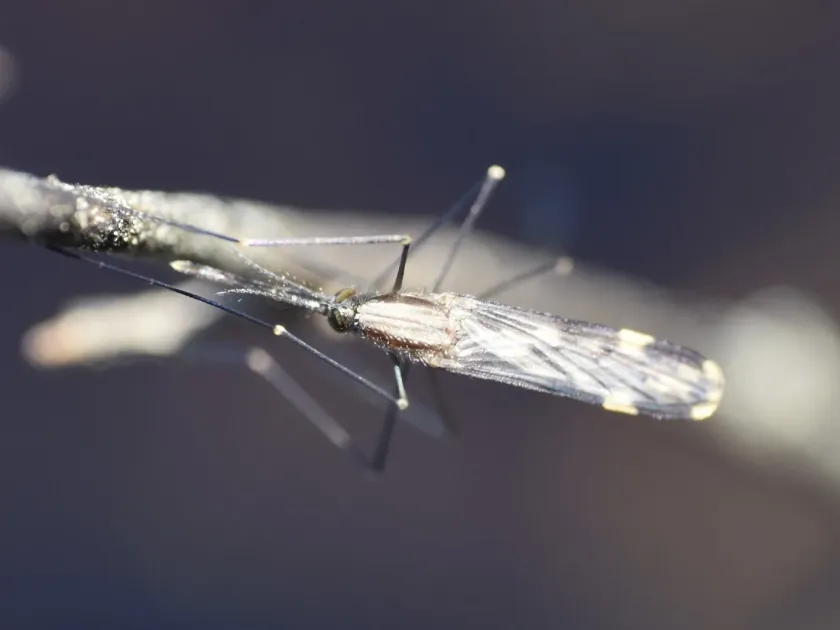
Anopheles punctipennis is a member of the Culicidae family within the order Diptera. This species is easily distinguished by the distinct pattern of pale spots on its wings.
The adult mosquitoes are slender, featuring long legs and a characteristic proboscis designed for piercing the skin of their hosts.
The larvae develop in water bodies and are known for resting parallel to the water surface because they lack the long breathing siphon found in other mosquito genera.
Proper identification usually requires an entomological examination to distinguish this species from other closely related mosquitoes present in the same habitat.
As a vector, its presence is a significant concern for both human and animal health within agricultural landscapes, necessitating precise monitoring.
What it damages
While this mosquito does not consume plant matter, it causes substantial economic damage by impacting the livestock and labor force in agricultural settings.
Heavy mosquito pressure leads to constant annoyance of livestock, resulting in significant stress, decreased milk yields, and lower meat production rates.
Farm personnel often face difficulties during evening outdoor tasks, which reduces work efficiency and necessitates the use of expensive protective equipment.
Costs associated with pest suppression, such as insecticide applications and physical structural modifications, increase the operational expenses of farms.
The role of this mosquito as a vector of diseases poses a constant epidemiological threat that can disrupt the operations of large livestock complexes.
When it appears
The activity of adults typically begins in the spring when rising temperatures stimulate the emergence of overwintering mosquitoes from their hiding places.
Peak population densities are observed throughout the summer months when warm water temperatures provide the best conditions for rapid larval development.
As autumn arrives, adult activity decreases significantly, and fertilized females seek out protected areas to undergo diapause through the winter months.
The length of a single generation cycle is highly dependent on ambient weather conditions, with warmer periods leading to faster population growth.
In regions with longer growing seasons, multiple generations occur, requiring extended periods of vigilance and implementation of control protocols.
Signs of infestation
Presence of larvae in irrigation ditches, drainage canals, or stagnant ponds is the primary indicator of an active mosquito breeding ground.
Large swarms of adults appearing during dusk and dawn around livestock housing are clear signs of a high local population density.
Visible distress in livestock, characterized by tail flicking, stomping, and restlessness, indicates that mosquitoes are actively feeding on the animals.
The consistent sound of buzzing near wet areas of a farm is a reliable indicator of mosquito activity that requires an immediate site inspection.
Finding resting adults on the ceilings or walls of agricultural buildings during the day suggests an established colony in the vicinity.
Control measures
The most effective strategy is the mechanical modification of the environment: draining standing water and cleaning overgrown drainage channels.
Biological control, such as the introduction of specific predatory fish or microbial larvicides, offers an eco-friendly way to suppress larval populations.
Insecticide applications around livestock facilities are recommended to reduce the adult population and protect animals from chronic stress.
Installing fine-mesh screens on ventilation systems in animal enclosures prevents mosquitoes from entering and disturbing the livestock.
Regular monitoring of breeding sites allows farmers to implement timely interventions, preventing outbreaks before the population peaks during the season.
Taxonomy
- Latin name
- Anopheles punctipennis
- Order
- Diptera (flies)
- Family
- Culicidae
- EPPO code
- ANPHPU
Discussion
No discussions yet — be the first.