
Anopheles plumbeus
Anopheles plumbeus
Description
How to identify
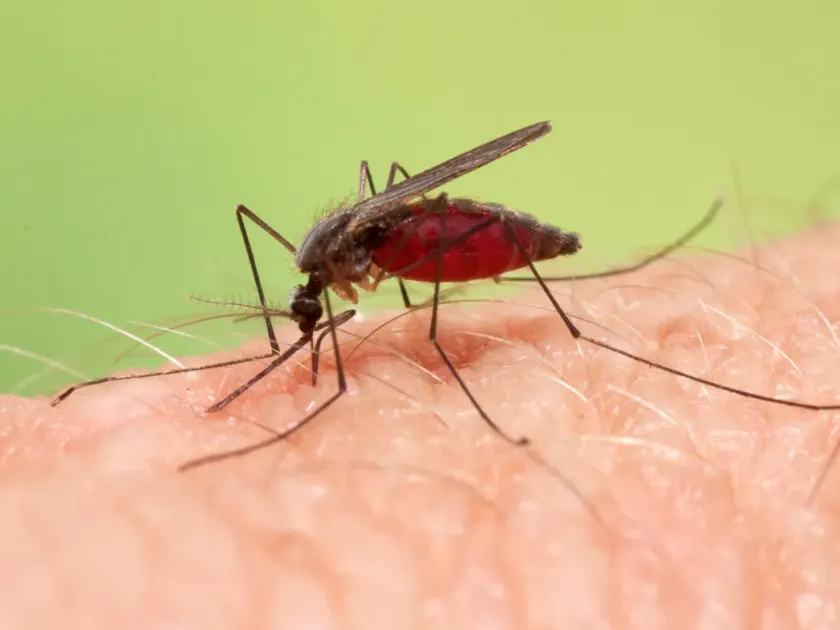
Anopheles plumbeus belongs to the order Diptera and the family Culicidae. This species is a type of tree-hole malaria mosquito, morphologically distinguished from other Anopheles species by its darker, almost black body coloration.
Adult specimens feature characteristic light-colored scales on their wings that form spots, although these are less distinct than in other species. Females of this species are aggressive biters and attack warm-blooded hosts in both woodland areas and near human settlements.
The larvae of this species develop in unique environments—tree holes filled with rainwater. This biological trait allows their population to remain independent of open water bodies.
The eggs exhibit high resistance to desiccation, allowing them to remain viable in dry tree holes until water fills the cavities. This is a key factor for the species' survival during dry periods.
Adults exhibit high flight maneuverability and prefer staying in shaded forest areas, which complicates their detection during routine sanitary monitoring of the territory.
What it damages
Although this species does not cause direct damage to agricultural crops, it poses a significant threat to personnel working in orchards, shelterbelts, and lands adjacent to wooded areas.
The primary harm lies in the fact that the species is a vector for pathogens, including malaria plasmodia and various arboviruses. This creates health risks for field workers.
In agricultural settings, a high population of these mosquitoes reduces labor productivity, as their bites cause severe allergic reactions and irritation for workers.
Infestations by this species can hinder agricultural activities in the evening hours when insect activity peaks, which is critical during the harvest season.
Indirect economic losses manifest in the need for additional sanitary-epidemiological measures for the disinfestation of forest areas surrounding agricultural facilities.
When it appears
The active flight of adults begins in late spring when the average daily air temperature becomes consistently positive, allowing for larval development.
Population peaks typically occur in the second half of summer, coinciding with the period of maximum vegetation growth and intensive field operations.
At the end of the season, with the onset of autumn cold, females seek overwintering sites in tree hollows or outbuildings, where they enter diapause.
Generation development is closely linked to rainfall: heavy rains contribute to filling tree holes with water, facilitating mass emergence of adults throughout the season.
The duration of the life cycle varies depending on regional climatic conditions and the microclimate within the forest canopy.
Signs of infestation
The first sign of the species' presence is a high density of flying insects near old trees with hollows, especially during twilight hours.
The presence of specific breeding grounds—water-filled cavities in tree trunks—is the main indicator of a local infestation center.
The appearance of itchy bite marks on workers in shelterbelt areas serves as evidence of active blood-sucking population activity.
Discovering larvae in accumulated rainwater within natural reservoirs provides direct proof of the species' presence in the area.
Behavioral signs, such as female aggression during daylight hours in shaded areas, confirm the necessity of implementing protective measures.
Control measures
The primary control method is the sanitary cleaning of shelterbelts, including the removal of old trees with hollows that serve as natural incubators.
If tree removal is not feasible, breeding sites should be treated with biological or chemical insecticides approved for use in forest zones.
The use of repellents and protective clothing by workers is a mandatory measure to reduce the risk of bites and disease transmission.
Installing traps with attractants is an effective defense strategy, allowing for the monitoring of population dynamics and reducing adult concentrations.
Implementing environmentally safe disinfestation methods around residential and production premises on agricultural sites helps establish safety zones.
Taxonomy
- Latin name
- Anopheles plumbeus
- Order
- Diptera (flies)
- Family
- Culicidae
- EPPO code
- ANPHPL
Discussion
No discussions yet — be the first.