
Anopheles maculatus
Anopheles maculatus
Description
How to identify
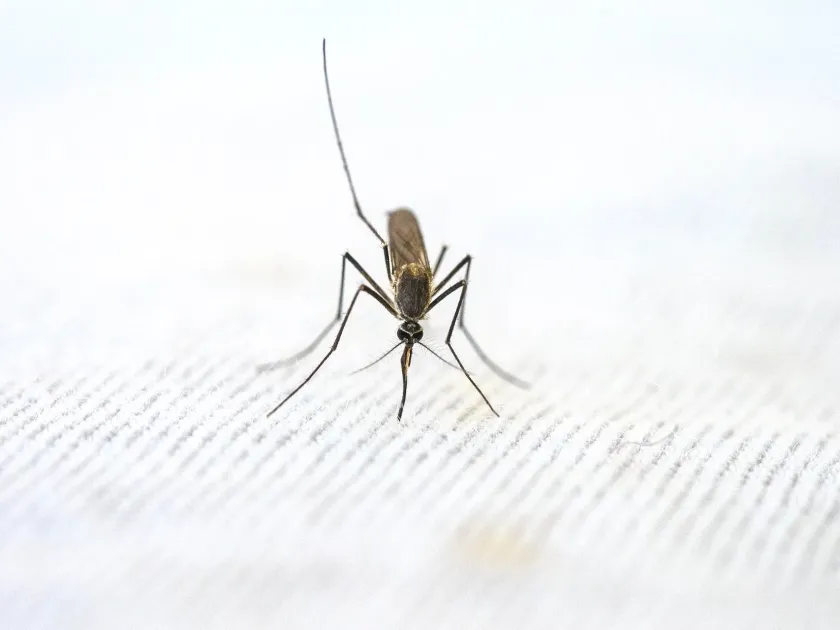
Anopheles maculatus belongs to the order Diptera and the family Culicidae. This mosquito is distinguished by its slender body and characteristic dark spots on its wings, which serve as a primary identification mark.
When resting, adults display a typical posture with the abdomen tilted at an angle to the surface, which is a classic trait for the Anopheles genus compared to other mosquito types.
The life cycle encompasses four distinct stages: egg, larva, pupa, and adult. The eggs are equipped with lateral floats, allowing them to remain buoyant on water surfaces until hatching.
Larvae primarily inhabit clear, running water such as mountain streams and irrigation channels. Unlike many other species, they maintain a horizontal position at the water's surface while feeding.
The species is primarily nocturnal and crepuscular, meaning its highest activity occurs during dusk or nighttime hours, making it particularly difficult to manage in field conditions.
What it damages
While Anopheles maculatus is not a direct plant pest, it is a significant agricultural vector that negatively impacts farm productivity and worker safety in endemic regions.
As a known vector for malaria parasites, its presence forces restrictions on outdoor manual labor, especially during the evening hours when farming activities are often necessary.
The economic burden includes increased medical expenses for workers and the necessity of providing protective equipment in areas where the mosquito density is high.
In livestock farming, high populations of this mosquito cause annoyance and health issues for animals, which can lead to reduced meat or milk production due to constant stress.
Agricultural projects in regions with heavy Anopheles populations often require additional budget allocations for integrated pest management (IPM) to ensure a safe working environment.
When it appears
The activity of Anopheles maculatus is strictly dependent on climatic conditions, primarily temperature and humidity levels, which dictate the speed of its life cycle.
The peak activity occurs during warm seasons with temperatures ranging between 20°C and 25°C. Under these conditions, the development from egg to adult takes approximately one week.
Rainy seasons significantly boost the population by creating an abundance of new breeding sites such as puddles, ditches, and stagnant water pockets in fields.
Conversely, cold winters or extreme dry seasons lead to a decline in activity, as the mosquito either enters diapause or significantly restricts its breeding capacity.
Optimal conditions often coincide with vegetation growth near water bodies, which provides the necessary humidity and shelter for adult mosquitoes to survive through the day.
Control measures
The most effective strategy is the systematic removal of larval habitats. This involves drainage of stagnant water, clearing of debris from stream channels, and improving drainage infrastructure.
Biological control, such as applying Bacillus thuringiensis israelensis (BTI), is highly recommended as it targets mosquito larvae without causing harm to beneficial aquatic insects.
Physical protection remains vital. This includes installing high-quality window screens in farm housing and ensuring that workers utilize effective insect repellents containing DEET or Icaridin.
Chemical control involving selective spraying of pyrethroid-based insecticides around farm facilities can provide relief by reducing the adult population in high-risk areas.
- Drainage of water puddles
- Introduction of BTI biological agents
- Use of protective netting
- Application of repellents
- Regular area maintenance
Taxonomy
- Latin name
- Anopheles maculatus
- Order
- Diptera (flies)
- Family
- Culicidae
- EPPO code
- ANPHML
Discussion
No discussions yet — be the first.