
Dirus malaria mosquito
Anopheles dirus
Description
How to identify
Anopheles dirus is a small dipteran species belonging to the family Culicidae, well-known for its role as a primary malaria vector in Southeast Asia.
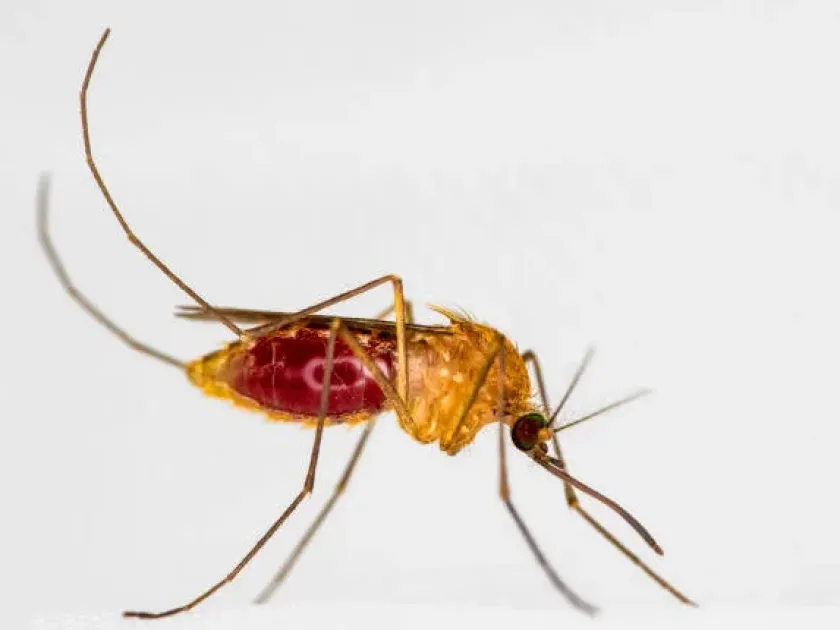
Adult mosquitoes are characterized by a slender build, long legs, and a distinct resting position where the body is held at an angle to the surface.
The wings exhibit a complex pattern of dark and light scales, which is a key diagnostic feature for visual identification in laboratory settings.
Larvae are typically found in small, clear, shaded forest pools or water-filled depressions, which are characteristic of their breeding ecology.
Being part of a species complex, Anopheles dirus requires specialized entomological knowledge for correct identification, often involving genetic analysis.
What it damages
This species does not consume agricultural plant tissues, thus it is not considered a direct pest to any crop species or plantation.
The impact on agriculture is indirect and primarily concerns human health, as it is a highly efficient vector of the malaria parasite.
High infestation levels in agricultural zones force changes in labor schedules, preventing night-time agricultural work and monitoring activities.
The economic burden stems from the healthcare costs of agricultural workers and the potential loss of productivity due to illness in endemic areas.
In certain contexts, the presence of these mosquitoes requires specific labor safety regulations that can complicate day-to-day farming operations.
When it appears
The population activity of Anopheles dirus is heavily dependent on the monsoon season, which provides the necessary rainfall for breeding sites.
Peak abundance occurs when temporary water sources in wooded areas are abundant, leading to rapid expansion of the mosquito population.
These mosquitoes are predominantly nocturnal, remaining inactive in shaded, humid environments during the heat of the day.
Seasonal changes significantly dictate the lifecycle, with populations declining as water sources evaporate during the dry season.
Under optimal tropical conditions, the developmental cycle from egg to adult is short, allowing for multiple generations during the rainy season.
Control measures
Effective management focuses on environmental modifications, such as draining stagnant water sources located near agricultural labor camps.
The use of biological control agents, specifically bacteria targeting larvae, is recommended for managing water sources within farm boundaries.
Personal protection equipment, including treated clothing and repellents, is essential for laborers working in or near endemic forest edges.
- Drainage of stagnant water bodies.
- Clearing debris near housing facilities.
- Use of microbial larvicides.
- Installation of protective netting.
Chemical vector control should be used judiciously, adhering to health and safety protocols to protect both workers and the surrounding ecosystem.
Taxonomy
- Latin name
- Anopheles dirus
- Order
- Diptera (flies)
- Family
- Culicidae
- EPPO code
- ANPHDR
Discussion
No discussions yet — be the first.