
Anopheles atroparvus
Anopheles atroparvus
Description
How to identify
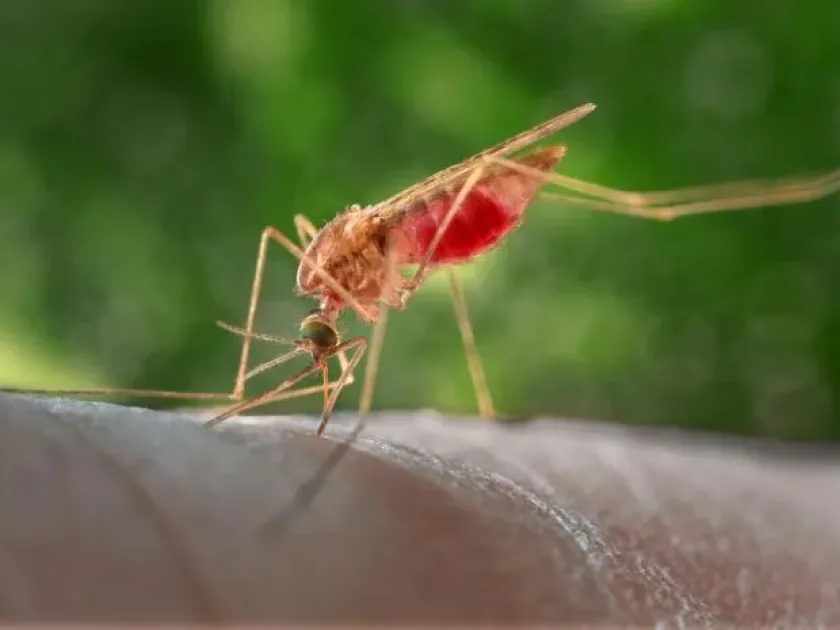
Anopheles atroparvus belongs to the family Culicidae (blood-feeding mosquitoes). Adults have a slender body with long legs and narrow wings, often marked with dark spots.
The head features a long proboscis adapted for piercing the skin of warm-blooded organisms. Female antennae are short, allowing them to efficiently detect carbon dioxide and heat from hosts.
At rest, this mosquito holds its abdomen at an angle to the surface, which is a key identification feature of the Anopheles genus.
Coloration ranges from grayish-brown to almost black, providing camouflage in shaded vegetation areas.
The larvae are elongated and remain horizontally at the water surface, using specialized breathing spiracles to obtain oxygen from the air.
What it damages
While Anopheles atroparvus is not a direct pest of crops, it causes significant indirect harm to the agricultural sector.
Its presence makes working outdoors during evenings and nights difficult for farm laborers, reducing overall productivity on residential and garden plots.
This species is a known vector for various diseases, posing a health risk to humans and livestock kept on the farm.
Aggressive feeding behavior of females leads to mass bites, causing allergic reactions and severe itching for personnel working in the agricultural environment.
In regions with extensive livestock production, high mosquito density can lead to reduced animal productivity due to stress and blood loss.
When it appears
The active life cycle of the species begins in early spring, as soon as water temperatures become favorable for egg-laying.
Mass emergence of adults typically occurs from June to August, when weather conditions are optimal for reproduction and larval metamorphosis.
Mosquitoes prefer humid and shaded areas where they can hide from direct sunlight during the daytime.
In late summer and autumn, the population prepares for hibernation, moving into cellars, barns, and other outbuildings with a stable microclimate.
The generation duration is heavily dependent on the sum of active temperatures during the specific growing season.
Signs of infestation
The primary sign of high population density is the presence of numerous adults near open water bodies, irrigation canals, and marshy lowlands.
- Audible high-pitched buzzing during evening hours.
- Mass bites on humans and pets when outdoors.
- Presence of larvae in stagnant water, rain barrels, or irrigation tanks.
- Adult mosquito clusters in dark corners of sheds and basements.
- Increased incidence of skin inflammation or allergic reactions after working on the site.
Control measures
The primary control measure is draining or filling small stagnant water bodies, which serve as the main breeding grounds for larvae on the property.
An effective method is the use of biological preparations based on Bacillus thuringiensis israelensis, which are safe for plants but lethal to mosquito larvae.
Regular cleaning and disinfection of water storage containers, combined with fine-mesh screens on livestock facility windows, significantly reduces the risk.
Treatment of surrounding areas with approved insecticides during peak activity periods can temporarily lower the adult mosquito population.
Planting repellent herbs such as lavender, mint, or basil around the garden can help create a local defensive barrier against insects.
Taxonomy
- Latin name
- Anopheles atroparvus
- Order
- Diptera (flies)
- Family
- Culicidae
- EPPO code
- ANPHAT
Discussion
No discussions yet — be the first.