
Australian malaria mosquito
Anopheles annulipes
Description
How to identify
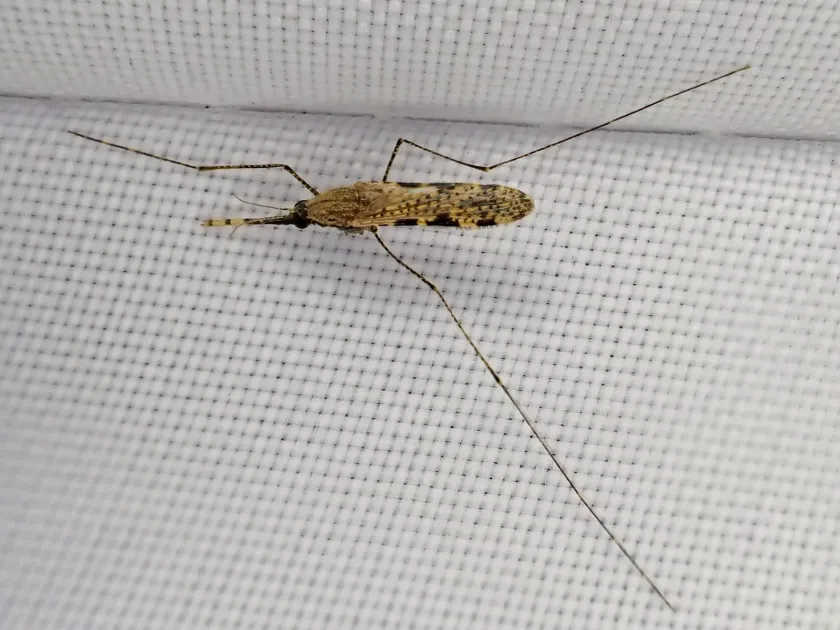
The Anopheles annulipes is a species of mosquito within the Culicidae family, native to Australia. These insects are easily identified by their mottled wings, which display distinct light and dark scaling patterns.
Adult mosquitoes are slender with long, thin legs and a proboscis adapted for feeding. Their body coloration ranges from greyish-brown to black, providing camouflage against vegetation and soil.
The larval stage occurs in a variety of water bodies, including freshwater marshes, ponds, and even temporary rain-filled depressions common in agricultural settings.
The life cycle is characterized by a complete metamorphosis. Larvae are known to hang parallel to the water surface, a trait characteristic of the Anopheles genus.
Activity peaks during twilight and night hours. During the day, they remain in cool, humid, and shaded environments to avoid desiccation and predators.
What it damages
While Anopheles annulipes does not feed on crops, it poses a significant threat to agricultural operations by impacting both human workers and livestock.
The presence of large mosquito swarms creates hazardous working conditions in rural areas, forcing laborers to curtail outdoor activities during critical evening hours.
These insects serve as vectors for various pathogens. In animal husbandry, they can transmit viruses that cause systemic diseases, leading to significant veterinary costs.
Livestock suffer from severe annoyance caused by constant biting, leading to elevated stress levels. This negatively impacts milk yield, weight gain, and general animal welfare.
Secondary infections and skin lesions caused by persistent biting can weaken the immune system of cattle, making them more susceptible to other endemic diseases.
Control measures
Managing Anopheles annulipes requires a strategy focused on source reduction, which is the most effective way to minimize population growth in farm areas.
Land improvement practices, such as draining swamps, clearing irrigation ditches, and ensuring proper water flow, effectively remove potential breeding sites.
Biological control agents, such as Bti-based formulations or the introduction of mosquito-eating fish into decorative or functional ponds, are highly recommended.
Physical barriers, including well-maintained screens on barns and livestock shelters, are essential for protecting animals from night-time exposure to bites.
Integrated Pest Management (IPM) should emphasize environmental modifications over chemical interventions to protect local biodiversity and avoid environmental contamination.
Taxonomy
- Latin name
- Anopheles annulipes
- Order
- Diptera (flies)
- Family
- Culicidae
- EPPO code
- ANPHAN
Discussion
No discussions yet — be the first.