
Anopheles albimanus
Anopheles albimanus
Description
How to identify
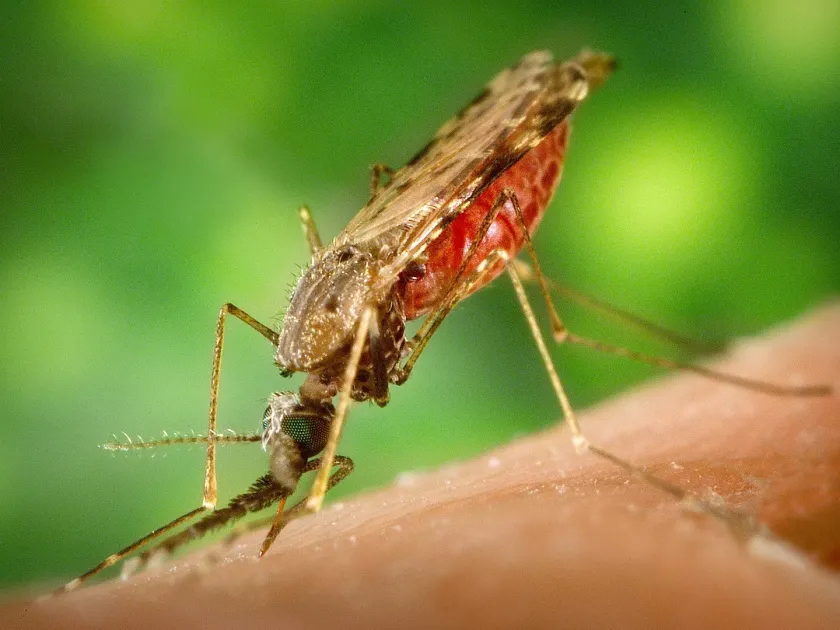
Anopheles albimanus is a mosquito species within the Culicidae family. Adult specimens are identified by their spotted wings and long, slender legs, which often feature distinct white scales on the tarsi, a key morphological characteristic for the species.
Females are primary vectors of malaria in Central and South America. They are nocturnal and crepuscular, meaning they are most active during dusk and dawn, which often makes their presence difficult to detect during daylight hours.
Larvae develop exclusively in stagnant or slow-moving water in open, sunlit areas. They occupy the water surface, utilizing a specialized siphon to breathe atmospheric air, which is a common trait among Anopheline mosquitoes.
Imagoes are highly mobile and capable of traveling long distances to locate blood meals. Identification is often confirmed through microscopic examination of wing scales or through molecular genetic testing for precise classification.
The life cycle undergoes complete metamorphosis, including egg, larva, pupa, and imago stages. Environmental temperature is a primary driver of development speed; higher temperatures significantly accelerate the transition between life stages.
What it damages
It is important to clarify that Anopheles albimanus is not a phytophagous insect and does not feed on crops. However, it exerts a severe indirect impact on the agricultural economy and farm operations.
High population densities in agricultural regions pose a critical health risk to the workforce. Frequent mosquito bites and the threat of malaria transmission lead to reduced labor productivity and absenteeism among farm workers.
In livestock farming, these mosquitoes act as vectors for various pathogens. The stress caused by their bites on cattle can lead to decreased weight gain, lower milk production, and overall animal health degradation.
The presence of this vector forces agricultural enterprises to invest in additional sanitation and public health measures. These activities represent a significant operational cost, eventually increasing the production cost of agricultural commodities.
Furthermore, mosquito activity often limits the available time for field operations, as farmers may restrict working hours during the most active periods (dawn/dusk) to protect personnel, delaying critical cultivation tasks.
When it appears
The seasonal dynamics of Anopheles albimanus are heavily dependent on rainfall patterns and ambient temperature. Population peaks usually coincide with the rainy season when numerous ephemeral pools are formed.
In tropical climates, the species may remain active throughout the year. However, fluctuations in humidity levels trigger significant waves of reproduction, as the availability of suitable breeding sites changes with moisture levels.
Water temperatures between 25°C and 30°C are considered optimal for the rapid development of larvae. Any significant drop in temperature beyond these thresholds can slow down or stall the metamorphosis process.
Agricultural irrigation practices, such as the construction of artificial drainage canals and open reservoirs, create artificial breeding sites. This allows the population to persist even during drier months, as fields provide a stable environment.
Monitoring seasonal life cycles is essential for agricultural managers. Understanding these patterns allows for the proactive implementation of site maintenance before mosquito populations reach critical levels.
Control measures
Control strategies for Anopheles albimanus rely on Integrated Pest Management (IPM) principles. The primary focus is on hydrotechnical modifications, such as draining stagnant pools and clearing irrigation canals of debris.
Biological control agents, such as formulations based on Bacillus thuringiensis israelensis, are highly effective against larvae. These products are safe for the environment and do not harm beneficial pollinators or plant health.
The use of chemical insecticides should be strictly regulated to minimize collateral damage. Applications must be timed and dosed carefully to ensure that non-target organisms and ecological balance are preserved.
- Cleaning irrigation ditches and removing aquatic vegetation.
- Installing screens on personnel housing and worker rest areas.
- Regular inspection of stagnant water sources within the farm boundaries.
- Deployment of personal repellents to protect field workers.
Cultural land management practices, such as leveling soil to prevent standing water after rainfall, significantly reduce the breeding potential of the species. A comprehensive strategy is key to minimizing the negative impact on agricultural productivity.
Taxonomy
- Latin name
- Anopheles albimanus
- Order
- Diptera (flies)
- Family
- Culicidae
- EPPO code
- ANPHAL
Discussion
No discussions yet — be the first.