
Spencer's mosquito
Aedes spencerii
Description
How to identify
Spencer's mosquito (Aedes spencerii) is a prominent species within the Culicidae family, well-known for its aggressive biting behavior in certain geographical regions.
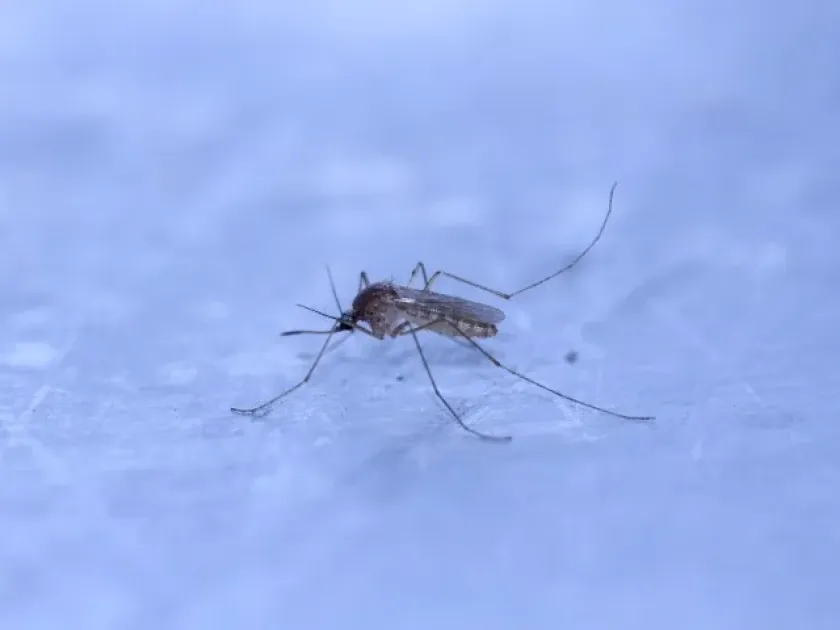
The adult insect is characterized by distinctive pale scaling on its thorax and abdomen, which provides a reliable identification marker for entomologists and researchers.
Its body length typically ranges from 5 to 7 millimeters. The wings feature dense scaling and characteristic venation patterns common to the Aedes genus.
Larvae develop in temporary aquatic habitats, such as flooded fields or snow-melt pools. They possess a specialized siphon for respiration at the water surface.
The pupal stage is mobile and exhibits a swift reaction to environmental disturbances, a crucial survival trait for larvae and pupae residing in small water bodies.
What it damages
Although Aedes spencerii does not feed on plant tissues, it poses significant indirect threats to agricultural productivity and animal husbandry efficiency.
The primary concern is the constant irritation and biting of livestock. This leads to high stress levels in animals, resulting in reduced weight gain and milk yield.
Field workers are severely impacted by the aggressive swarms, which hinders the timely execution of essential agricultural tasks and field maintenance operations.
Repeated bites cause skin inflammation and secondary infections in cattle and horses, potentially leading to increased veterinary costs and productivity losses.
The species may also act as a vector for various pathogens that affect animal health, potentially spreading infections across pastures and farm facilities.
When it appears
The seasonal activity of Aedes spencerii is largely dictated by precipitation patterns and seasonal temperatures, often peaking in late spring and early summer.
Eggs of this species are highly resistant to desiccation and can remain dormant in the soil of dry floodplains or lowland areas for several years.
Mass emergence of larvae occurs following the flooding of these areas by snowmelt or heavy rainfall, triggering the rapid development of the mosquito population.
The adult lifespan usually lasts for several weeks, depending heavily on the availability of blood hosts and favorable humidity levels for their daily activity.
Warm spring temperatures accelerate the transition through the life cycle stages, leading to dense swarms that appear shortly after environmental conditions become optimal.
Signs of infestation
The presence of temporary shallow water pools on farmland after heavy rains is a primary indicator of potential breeding sites for this mosquito species.
Restless behavior in livestock, such as tail-swishing, grouping, or constant pacing, is a clear sign that they are under significant pressure from biting swarms.
Visible skin lesions or allergic reactions on the hides of farm animals suggest high levels of pest activity within the grazing area or livestock housing.
Trapping surveys utilizing light traps or carbon dioxide lures can provide quantitative data on the local population density of Aedes spencerii.
Direct observation of adult swarms during dawn and dusk hours, particularly near forest edges or grassy areas, confirms the need for immediate control measures.
Control measures
Integrated pest management for Spencer's mosquito focuses heavily on habitat modification to eliminate larval breeding sites in agricultural landscapes.
Land improvement practices, including the leveling of low-lying areas and proper drainage of fields, significantly reduce the available habitat for the larvae.
Biological larvicides, such as those containing Bacillus thuringiensis israelensis, can be applied to standing water to safely control populations.
Providing physical protection for livestock, such as mesh screens in shelters and regular applications of veterinary-approved repellents, is essential for welfare.
Managing surrounding vegetation by regular mowing reduces resting sites for adult mosquitoes, thereby limiting their distribution and impact on the farming site.
Taxonomy
- Latin name
- Aedes spencerii
- Order
- Diptera (flies)
- Family
- Culicidae
- EPPO code
- AEDSID
Discussion
No discussions yet — be the first.