
Polynesian mosquito
Aedes polynesiensis
Description
How to identify
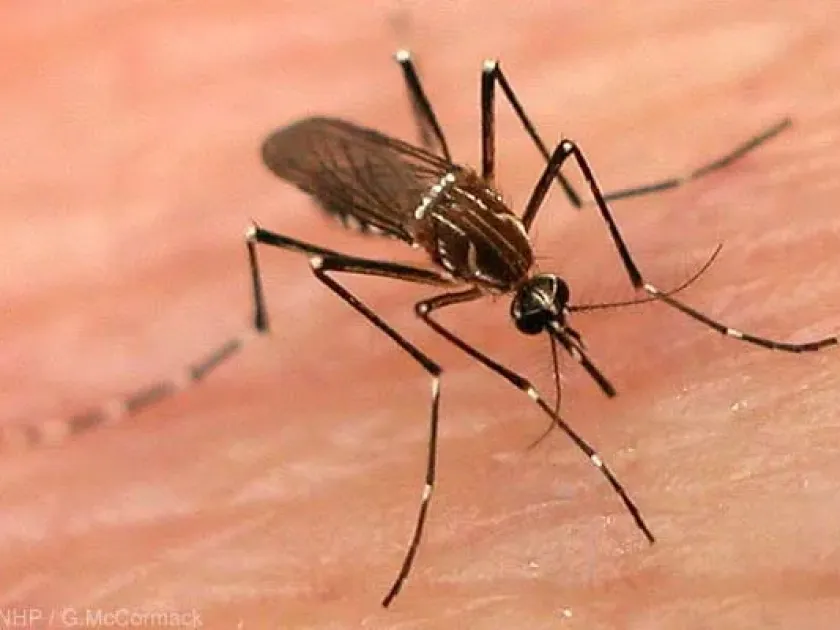
The Polynesian mosquito (Aedes polynesiensis) is a member of the Diptera order and the Culicidae family. It is recognized by its dark appearance and distinct white markings on the legs and thorax.
Females of the species are aggressive day-biting insects. They require blood meals to develop their eggs, while males feed exclusively on plant nectar and juices, having no impact on human or animal health.
The life cycle encompasses four main stages: egg, larva, pupa, and adult. Development is highly sensitive to ambient temperature and moisture levels, typically occurring in stagnant water sources.
One of the most notable features is the eggs' ability to withstand periods of desiccation. This resilience allows the species to survive in varied environments and expand its geographic footprint effectively.
Identification often requires careful inspection of thoracic patterns and wing scales, as the species shares visual similarities with other related mosquitoes in the Pacific region.
What it damages
While the Polynesian mosquito does not consume plant tissue, its status as a vector for pathogens significantly impacts the agricultural sector and rural economy by incapacitating the workforce.
This species is a known vector for lymphatic filariasis and various arboviruses. The threat of infection discourages field activities and can halt seasonal harvesting or crop management processes.
Workforce productivity often drops due to illness, leading to delays in essential agricultural tasks. These operational disruptions cause significant economic losses for small and large-scale farming operations.
Farmers are often forced to invest in costly protective measures, including specialized clothing and integrated pest management systems, to ensure safe working conditions for their employees.
In high-density areas, the presence of these mosquitoes serves as a negative factor for agricultural tourism and the sustainability of outdoor cultivation practices.
Control measures
Management centers on source reduction, which involves eliminating stagnant water bodies where larvae thrive. Proper site sanitation is the most effective way to prevent population outbreaks.
Farm operators should ensure that containers, tires, and drainage systems are cleaned or covered regularly to prevent water accumulation. Maintaining clean irrigation ditches is also vital to disrupt the breeding cycle.
For adult control, targeted insecticidal treatments may be applied. However, these must be conducted with caution to preserve local biodiversity, especially regarding the protection of pollinators and other beneficial insects.
Biological control methods, such as the introduction of predatory aquatic species in reservoirs, have proven effective in reducing mosquito populations without the use of harsh chemicals.
Field workers should prioritize personal protection by utilizing repellents and long-sleeved garments. Installing mesh screens in storage and packing sheds provides a physical barrier against adult mosquitoes during peak activity hours.
Taxonomy
- Latin name
- Aedes polynesiensis
- Order
- Diptera (flies)
- Family
- Culicidae
- EPPO code
- AEDSPO
Discussion
No discussions yet — be the first.