
Aedes melanimon
Aedes melanimon
Description
How to identify
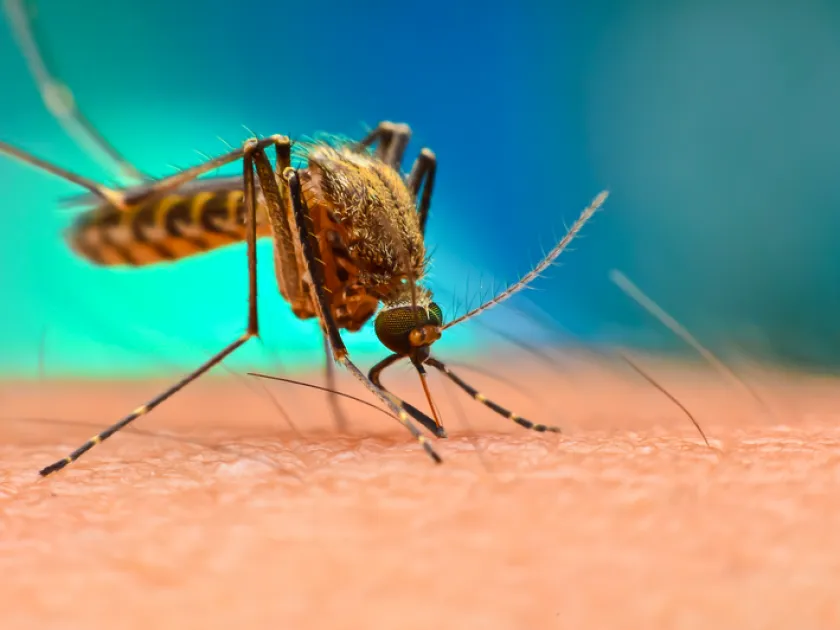
Aedes melanimon is a species of mosquito belonging to the order Diptera and the family Culicidae. Like other members of the genus, adult specimens are characterized by a slender body, long legs, and a specialized proboscis designed for piercing the skin of hosts.
The coloration of adults typically ranges from dark brown to black, featuring light-colored scales on the thorax and abdominal segments. These visual features are used by entomologists during field identification and population monitoring.
Larvae develop exclusively in aquatic environments. They possess a distinct head and a respiratory siphon at the tip of the abdomen, which they use to access atmospheric oxygen while remaining submerged in the water column.
Distinguishing Aedes melanimon from closely related species often requires microscopic examination of the male genitalia and the chaetotaxy of the fourth-instar larvae to ensure accurate identification.
Adult mosquitoes are typically 5 to 7 millimeters long. Their presence is easily detected by their distinct buzzing and biting behavior, which becomes particularly intense during the peak flight seasons.
What it damages
While Aedes melanimon does not feed on vegetation, it is considered a pest in agricultural settings due to its disruptive impact on field operations and animal husbandry. The presence of dense swarms hinders work performance for farm personnel.
The species acts as a vector for various arboviruses that can affect both humans and livestock. Infected animals may experience decreased productivity, including weight loss and reduced milk yields, which affects overall farm profitability.
In irrigated farming areas, such as rice paddies, mosquitoes thrive in stagnant water. This creates an environment where pests multiply rapidly, causing significant distress to cattle grazing in nearby pastures.
High mosquito activity often leads to increased stress levels in livestock. Continuous biting forces animals to move constantly, reducing their grazing time and overall health, which is a significant concern for commercial cattle producers.
Management of the pest often involves insecticide applications, which, if not managed carefully, can inadvertently harm non-target beneficial insects, thus disrupting the fragile ecological balance of the farmland.
When it appears
The seasonal activity of this mosquito is primarily determined by moisture availability. The lifecycle begins with eggs deposited in damp soil, which remain dormant until submerged by irrigation water or seasonal rainfall.
Larval development is rapid, occurring over the course of one to two weeks depending on water temperature. Optimal development is observed when temperatures remain within the 20 to 25 degrees Celsius range.
The emergence of adult populations is highly synchronized with flooding events. Once the water table rises, the dormant eggs hatch, leading to a massive increase in mosquito numbers within a short period.
The peak activity season typically spans from spring to late summer, coinciding with the irrigation schedules of major crops. As temperatures decline, the population gradually decreases.
The species survives the winter (diapause) primarily in the egg stage. These eggs are highly resistant to cold temperatures and desiccation, ensuring the population's survival through unfavorable seasons.
Control measures
Effective control starts with land management and water drainage. Leveling fields and maintaining irrigation channels to prevent water stagnation is the most sustainable method to reduce breeding sites.
Regular maintenance of drainage systems is crucial to eliminate temporary pools of standing water. By reducing the number of available aquatic habitats, farmers can significantly lower the local mosquito population.
Biopesticides utilizing Bacillus thuringiensis israelensis provide an effective, environmentally friendly way to target larvae without negatively impacting the surrounding aquatic ecosystem or beneficial predators.
Field workers should prioritize personal protection. Wearing long-sleeved clothing and using registered insect repellents are standard safety practices to prevent mosquito bites during outdoor labor.
Integrated Pest Management (IPM) programs should monitor adult activity using light or bait traps. This data allows for precise timing of interventions, minimizing the need for broad-spectrum insecticide usage.
Taxonomy
- Latin name
- Aedes melanimon
- Order
- Diptera (flies)
- Family
- Culicidae
- EPPO code
- AEDSME
Discussion
No discussions yet — be the first.