
Asian bush mosquito
Aedes japonicus
Description
How to identify
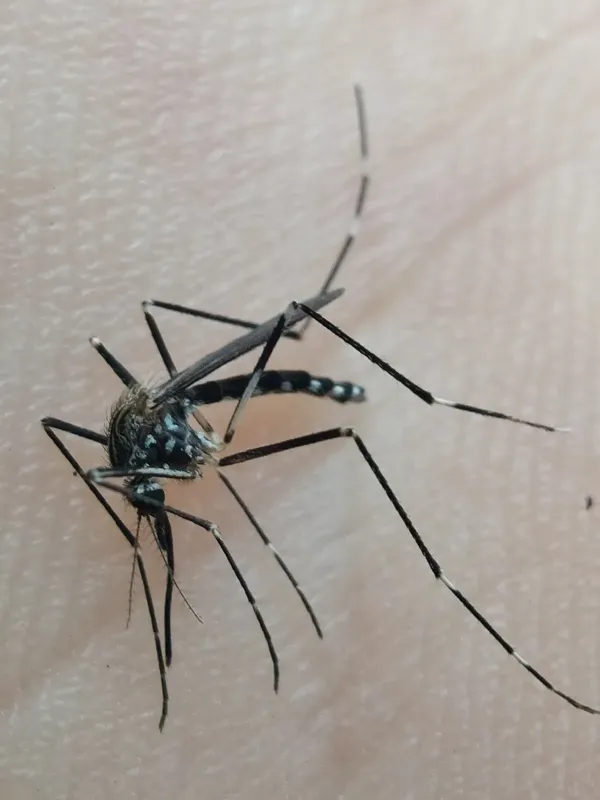
The Asian bush mosquito (Aedes japonicus) is a hardy, invasive insect species known for its remarkable ability to thrive in diverse environments, including temperate climates. Adults are easily identifiable by their dark coloration and distinct golden-brown stripes on the dorsal side of the thorax.
This mosquito undergoes a complete metamorphosis involving egg, larva, pupa, and adult stages. Its eggs are particularly resilient, capable of surviving through freezing temperatures and dry periods, which makes the species highly successful at colonizing new regions.
Larval development typically occurs in small, stagnant water bodies such as tree holes, rock pools, or artificial containers like discarded tires and bird baths. This tendency to inhabit man-made structures facilitates its accidental spread through international trade.
Adults exhibit significant activity during both daylight and dusk, often aggressively seeking blood meals from mammalian hosts. This versatility in timing and habitat preference contributes to their status as a persistent nuisance and health concern.
The species has rapidly expanded its global range, establishing itself as a dominant vector in many areas previously unaffected by other mosquito species, highlighting the need for vigilance in quarantine and border inspection protocols.
What it damages
The primary concern regarding the Asian bush mosquito in an agricultural context is its competence as a vector for various viral diseases. It is known to transmit pathogens such as West Nile virus, Japanese encephalitis, and Chikungunya, posing a significant risk to human and animal health.
In livestock production, high mosquito densities cause chronic stress and irritation to cattle and other farm animals. This constant disturbance leads to reduced feed intake, lower weight gain, and decreased milk production, negatively impacting the economic efficiency of the farm.
Agricultural workers are frequently bitten, which lowers productivity and necessitates the implementation of strict workplace safety measures. The constant threat of disease transmission mandates extra spending on protective gear and environmental management.
The presence of this mosquito can necessitate movement restrictions or increased regulatory oversight for livestock transport, particularly if the farm is located in an area with a high prevalence of insect-borne diseases.
As an invasive species, the Asian bush mosquito disrupts local ecological dynamics, potentially displacing native species and altering the health security profile of agricultural landscapes.
When it appears
The seasonal activity of the Asian bush mosquito begins in early spring when air temperatures consistently rise above 10-12°C. This triggers the hatching of larvae that have successfully overwintered in the egg stage.
Population levels typically peak during the summer months when warm, humid weather creates optimal conditions for rapid development. Multiple generations are produced throughout the growing season, leading to a sustained presence of adult mosquitoes.
Activity tapers off as autumn temperatures decrease, but the species remains active until the onset of hard frosts. During this time, females lay cold-hardy eggs that will enter diapause to survive the winter.
Monitoring efforts for agricultural managers should be continuous from mid-spring until autumn. Regular inspection of water containers and drainage systems is essential to track population surges during wet weather events.
While extended droughts may temporarily reduce adult activity, the existence of irrigation reservoirs and artificial water sources on farms ensures the survival and quick recovery of the population after rainfall.
Control measures
The most effective management strategy is source reduction, which involves eliminating stagnant water sites. Removing or covering containers that collect rainwater is vital to prevent females from laying eggs.
Biological control agents, specifically those containing the bacterium Bacillus thuringiensis israelensis (Bti), are highly recommended. These provide targeted control of mosquito larvae in water without harming non-target organisms or crop yields.
Maintaining clean drainage systems and clearing leaf litter prevents the accumulation of water, effectively removing prime breeding grounds around farm structures and buildings.
Personal protection for farm staff, including the use of high-quality repellents and long-sleeved clothing, is necessary to mitigate the risks associated with biting and disease exposure during daily activities.
- Drainage of temporary pools and ditches
- Use of CO2-based mosquito traps
- Application of Bti-based biological larvicides
- Screening of livestock housing and storage facilities
Taxonomy
- Latin name
- Aedes japonicus
- Order
- Diptera (flies)
- Family
- Culicidae
- EPPO code
- AEDSJA
Discussion
No discussions yet — be the first.