
Aedes infirmatus mosquito
Aedes infirmatus
Description
How to identify
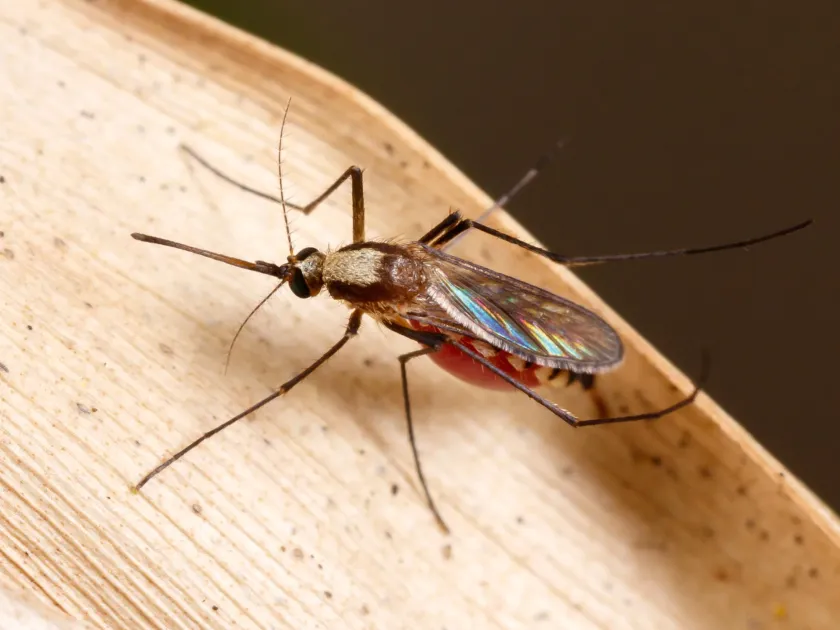
Aedes infirmatus is a species of floodwater mosquito belonging to the order Diptera and the family Culicidae. Adult mosquitoes of this species have a characteristic dark appearance with light-colored scales on the thorax, which form a specific pattern distinguishing them from other members of the genus Aedes.
The biology of this species is closely tied to temporary water bodies formed by heavy rains or flooding events. Females lay their eggs on moist soil or substrate surfaces, where they can survive in a state of diapause for long periods until environmental conditions trigger hatching.
The larval stage develops in stagnant water pools, feeding on microorganisms and organic debris. The development from egg to adult goes through several molting stages, the speed of which depends heavily on ambient temperature.
Adult individuals are known for their aggressive behavior and are active during both the day and at dusk. While they favor wooded areas, they are capable of migrating over significant distances in search of a host during mass emergence events.
Identifying the species in the field often requires microscopic examination of morphological features, as many Aedes mosquitoes share similar physical characteristics.
What it damages
Although Aedes infirmatus is not a direct plant pest, it is classified as a significant agricultural hazard due to its negative impact on labor productivity and farm management efficiency.
Mass infestations of this mosquito species can make it impossible for workers to conduct necessary field operations during early morning or late evening hours, causing delays in weeding, harvesting, and crop monitoring.
Furthermore, these mosquitoes act as vectors for various viral and parasitic diseases that can affect both livestock and domestic animals kept on pastures near agricultural lands.
The reduction in personnel activity during peak insect density leads to direct economic losses, as it hampers the quality of crop care and can result in yield degradation due to missed maintenance windows.
In regions with high populations of Aedes infirmatus, implementing mosquito management strategies is a critical component for maintaining the viability and productivity of rural farming operations.
When it appears
The seasonal activity of Aedes infirmatus is strictly correlated with rainfall patterns, particularly following drought periods that are followed by intense rain or floodwater inundation.
The highest abundance of adults typically occurs during the summer months when air temperatures facilitate rapid metamorphosis of larvae in the stagnant pools left after floodwater recession.
In warm climates, activity can persist from late spring through early autumn, with population peaks occurring shortly after the mass emergence of new generations.
The thermal optimum for the development of this species ranges between 22 and 28 degrees Celsius, allowing the full life cycle from egg to adult to be completed in as little as one to two weeks.
As autumn progresses, insect activity gradually declines, and the population enters a diapause state as eggs, which overwinter in the upper soil layers until the following rainy season.
Control measures
Effective management of Aedes infirmatus relies on an integrated pest management approach that combines hydrological, chemical, and biological control methods to suppress insect populations.
The primary control measure involves draining temporary water pools and puddles where larval development occurs, as well as land leveling to prevent water stagnation in fields.
The application of biological larvicides based on Bacillus thuringiensis israelensis allows for the localized elimination of larvae without causing significant harm to the surrounding ecosystem or beneficial pollinators.
To protect staff during field operations, it is recommended to use personal protective equipment, including high-DEET repellents, protective clothing, and head nets to prevent bites.
- Draining potential breeding sites.
- Application of biological larvicides.
- Regular mowing of tall grass around cultivation plots.
- Use of certified insecticides in areas of extreme concentration.
- Personal protection for field personnel.
Taxonomy
- Latin name
- Aedes infirmatus
- Order
- Diptera (flies)
- Family
- Culicidae
- EPPO code
- AEDSIN
Discussion
No discussions yet — be the first.