
Golden mosquito
Aedes flavescens
Description
How to identify
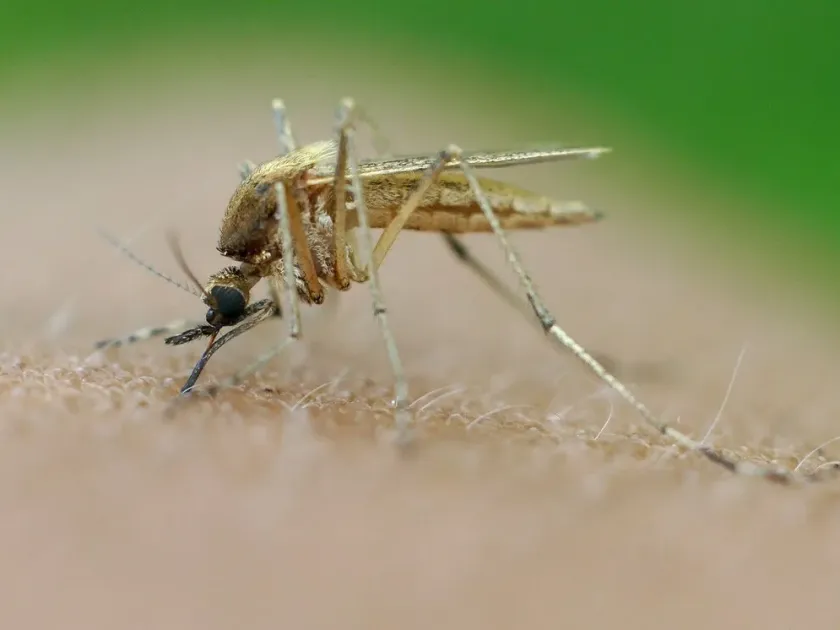
The Golden mosquito (scientific name: Aedes flavescens) is a significant species within the Culicidae family. The common name refers to the distinctive yellowish or golden-ochre scales covering the body and wings of the adult insect, giving it a bright, golden appearance.
As with other members of the genus Aedes, adult females possess specialized mouthparts used for piercing the skin of hosts and feeding on blood. This blood meal is a physiological necessity for the development of their eggs, whereas males feed exclusively on floral nectar.
The life cycle of this species comprises four stages: egg, larva, pupa, and adult. Adults are relatively large, typically measuring between 6 and 8 millimeters in length, which distinguishes them from smaller mosquito species found in similar habitats.
Larvae develop in shallow, temporary bodies of water, such as rain pools, marshes, and flooded meadows. Identification of the larval stage requires microscopic analysis of the respiratory siphon and specific anatomical structures.
These mosquitoes are highly mobile and are known to fly long distances from their breeding sites to reach potential hosts. Their activity patterns are primarily crepuscular, with peaks often occurring at dusk and dawn.
What it damages
The primary agricultural impact of Aedes flavescens is its status as a nuisance and health pest for livestock and poultry. Excessive biting activity causes significant distress to animals on pastures, leading to adverse economic consequences for farmers.
Constant disturbance by mosquito swarms prevents livestock from grazing and resting effectively. This behavioral change is directly correlated with reduced weight gain in calves and decreased milk production in dairy herds.
In addition to physiological stress, bites can cause skin irritation and allergic reactions. Frequent scratching by animals leads to open wounds, which increase the risk of secondary bacterial infections and may attract other dipteran pests.
The species can serve as a biological vector for various blood-borne pathogens. Therefore, monitoring the density of Aedes flavescens is a vital component of veterinary health management in affected regions.
While they do not cause direct mechanical damage to crops, their presence can interfere with field operations. Farmers often have to adjust management practices to avoid periods of peak mosquito activity to ensure worker safety and animal comfort.
When it appears
The seasonal appearance of Aedes flavescens is heavily dependent on moisture and temperature. Development typically begins in late spring, triggered by rising temperatures and the accumulation of standing water from rainfall or snowmelt.
The eggs are highly resistant to desiccation and can remain dormant in the soil for extended periods. When water levels rise and inundate these eggs, they hatch rapidly, leading to synchronized emergence of larvae.
The speed of the metamorphosis is temperature-dependent, typically requiring between one and three weeks to reach the adult stage in warmer weather. This results in distinct "waves" of adult mosquito activity throughout the summer months.
Activity gradually declines as temperatures drop in the autumn. However, in regions with mild, wet winters or summers, the life cycle may be interrupted or extended, necessitating year-round monitoring strategies.
Agronomists and farm managers monitor meteorological data and soil moisture levels to predict breeding events, allowing for timely preventative measures before the adult population reaches damaging levels.
Control measures
Management of Aedes flavescens focuses on environmental control as the primary strategy. Drainage of temporary water bodies and the elimination of breeding sites are the most effective ways to suppress local populations.
When drainage is not feasible, the application of biological agents, such as Bacillus thuringiensis israelensis (Bti), is recommended. Bti is highly effective against larvae while remaining safe for non-target organisms and livestock.
Protection of livestock involves the use of repellents and specialized insecticidal treatments within barns and stalls. Additionally, physical barriers like screens and netting can significantly reduce the impact of mosquito swarms on confined animals.
Chemical control against adult mosquitoes should be reserved for periods of extreme infestation and must be carried out using approved insecticides in compliance with environmental regulations to prevent residues in animal products.
- Drainage of stagnant water and marshy areas on farm land.
- Biological control of larvae using Bti-based formulations.
- Use of veterinary-grade repellents for herd protection.
- Integration of light traps for monitoring and early detection.
Taxonomy
- Latin name
- Aedes flavescens
- Order
- Diptera (flies)
- Family
- Culicidae
- EPPO code
- AEDSFL
Discussion
No discussions yet — be the first.