
Dupree mosquito
Aedes dupreei
Description
How to identify
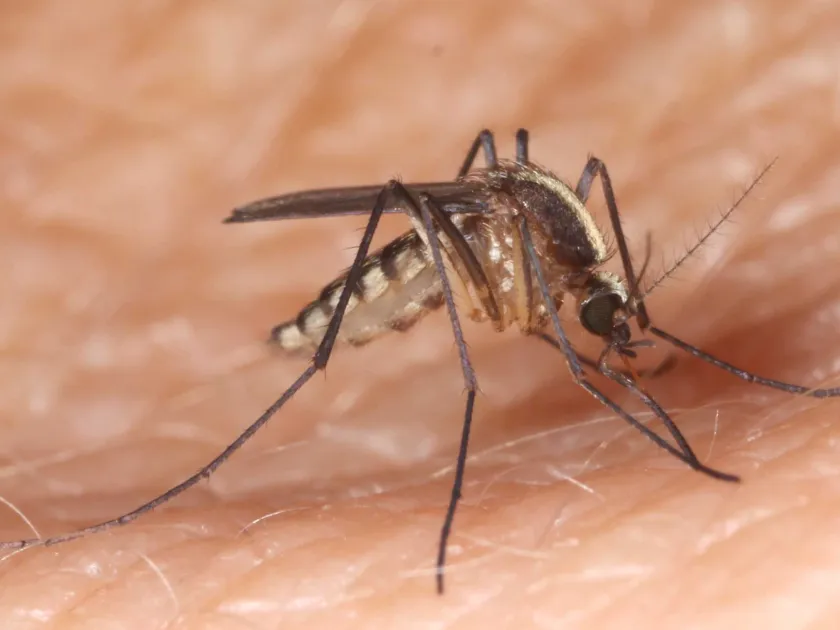
The Dupree mosquito (Aedes dupreei) is a species of mosquito belonging to the family Culicidae. Like other members of the genus Aedes, it is characterized by its ability to breed in temporary pools of water that often form after heavy rainfall or flooding.
The adult insect has a slender body with specific scale patterns on its thorax and abdomen, which are used for taxonomic identification. These mosquitoes are primarily known for their aggressive host-seeking behavior, targeting mammals for blood meals.
The larval stage develops in stagnant water. The larvae possess a respiratory siphon, a tube that allows them to hang from the water surface and breathe air, a common feature for many mosquito species within the Culicidae family.
These mosquitoes are generally small, and their presence is often only noticed by the nuisance they cause to animals and humans. They are highly adaptive to environment changes, allowing them to proliferate in areas with fluctuating water levels.
As a vector, they can cause significant distress to livestock. Constant biting leads to agitation and reduced feed intake, which can negatively impact the weight gain and overall productivity of farm animals.
When it appears
The life cycle of Aedes dupreei is heavily dependent on moisture. Eggs are laid in moist soil near depressions or temporary water sources and are capable of withstanding long periods of desiccation, ensuring the survival of the population.
Upon rehydration by heavy rains, the eggs hatch into larvae. The development from egg to adult occurs rapidly during the warmer summer months, typically ranging from several days to a few weeks depending on water temperature.
Summer is the peak period for adult activity. Adult mosquitoes emerge in swarms shortly after water accumulates, seeking hosts for blood meals to provide the necessary protein for egg maturation in females.
The longevity of adults is relatively short, but their impact is high due to the sheer number of individuals that can emerge from a single flooding event. Males feed on plant nectar, while females are the ones responsible for biting.
As temperatures begin to drop in the autumn, the population declines. The species survives the winter primarily in the egg stage, which enters a state of diapause until the return of warmer conditions and rainfall the following year.
Control measures
Integrated Pest Management (IPM) is the best approach for controlling Aedes dupreei. The primary strategy focuses on environmental modification, specifically eliminating temporary water sources where mosquitoes lay their eggs.
Biological control agents, such as Bacillus thuringiensis israelensis (Bti), are highly effective. These are applied directly to standing water to target larvae without harming beneficial insects, fish, or other wildlife in the area.
In livestock production facilities, chemical control through insecticide applications is sometimes necessary. Treating barns and surrounding shaded resting areas with residual sprays can help reduce adult populations and minimize animal distress.
Cultural practices, such as maintaining cleared landscapes around farm buildings, are essential. By keeping grass short and removing debris that traps rainwater, landowners can significantly reduce the habitat available for mosquito development.
Monitoring population levels using light traps allows for targeted control efforts. By identifying spikes in adult emergence early, farmers can take proactive steps to prevent widespread infestation and potential health issues for their livestock.
Taxonomy
- Latin name
- Aedes dupreei
- Order
- Diptera (flies)
- Family
- Culicidae
- EPPO code
- AEDSDU
Discussion
No discussions yet — be the first.