
Salt marsh mosquito
Aedes dorsalis
Description
How to identify
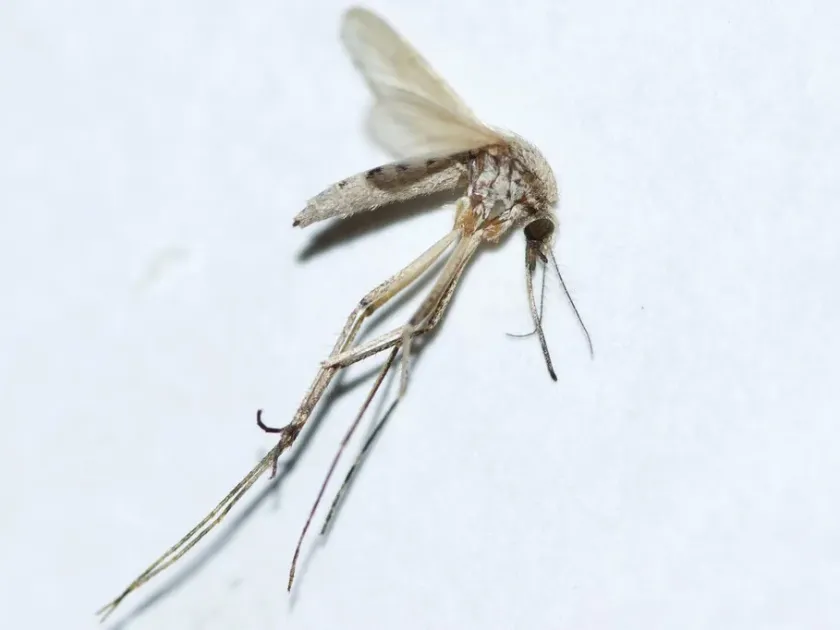
The salt marsh mosquito, scientifically known as Aedes dorsalis, is a member of the Culicidae family. These insects are widely recognized for their adaptability to saline habitats and open landscapes.
Adult mosquitoes are characterized by their distinct yellowish-grey appearance with dark bands. They possess an efficient proboscis, specifically evolved for piercing the skin of hosts to obtain blood meals.
Only female mosquitoes are considered pests in this context, as they require blood proteins to produce eggs. Males are strictly nectar feeders and do not bite or pose a direct threat to domestic animals.
The larval stage occurs in stagnant, often saline, pools of water. Their specialized respiratory tubes allow them to remain attached to the water's surface while extracting oxygen, even in challenging environments.
These insects are highly resilient and capable of thriving in coastal or inland areas with poor drainage, where they can outcompete other less-tolerant species of mosquitoes.
What it damages
Aedes dorsalis inflicts significant damage on agriculture primarily through its negative impact on livestock welfare. The persistent biting activity causes extreme irritation and chronic stress in grazing animals.
Animals frequently attacked by these mosquitoes show reduced feed intake and weight loss. For dairy cattle, this stress results in a measurable decline in milk yield, directly affecting the farm's financial performance.
Furthermore, these mosquitoes act as vectors for various pathogens, which can transmit diseases between animals. This risk requires expensive veterinary intervention and potential herd losses.
The skin inflammation caused by bites can lead to secondary infections, requiring treatment and reducing the overall quality of livestock maintenance. Animals become restless and less productive during grazing hours.
Farm staff working in fields near mosquito breeding grounds also experience reduced efficiency, as the intense biting pressure forces them to shorten working hours or employ extra protective measures.
When it appears
The activity of the salt marsh mosquito is highly dependent on seasonal temperature fluctuations and rainfall patterns. They emerge in spring as soon as stagnant water bodies begin to warm up.
Throughout the summer, multiple generations can emerge if conditions remain favorable. The duration of the life cycle is significantly shortened during hot weather, leading to explosive population growth.
Mosquitoes are most active during dawn and dusk. However, during overcast weather or in shaded vegetation, they may remain persistent and aggressive throughout the day, harassing livestock in pastures.
The season typically ends with the onset of autumn frosts. While adult mosquitoes perish in cold weather, their eggs are remarkably durable and remain dormant in the soil until the next season's warmth.
Periodic heavy rains that create temporary pools often trigger massive emergences of these insects, leading to sudden spikes in local populations that can last for several weeks at a time.
Signs of infestation
A primary sign of infestation is the audible buzzing and the visual presence of clouds of mosquitoes near water sources or tall grasses. Livestock will often bunch together or constantly swat at the pests.
Physical evidence on animals includes bite marks, raised bumps, and signs of hair loss due to constant scratching and rubbing against fences or trees to seek relief from irritation.
Larvae can be easily detected in temporary water pools. A simple dip test with a net will reveal their presence, characterized by their jerky, rhythmic movements within the water column.
Restless behavior, such as animals pacing, stamping their feet, or refusing to graze during peak mosquito activity hours, serves as a clear indicator of a severe infestation level.
Reduced milk production or weight gain in a herd that otherwise appears healthy often points to the invisible burden of constant insect attacks, signaling a need for immediate pest management actions.
Control measures
Effective management of Aedes dorsalis requires a multi-faceted approach, focusing primarily on eliminating breeding sites through proper land drainage and water management practices.
Biological control, using Bacillus thuringiensis, offers an environmentally friendly way to reduce larval populations in stagnant water without harming beneficial insect pollinators or local biodiversity.
For livestock protection, the application of insecticide-impregnated ear tags or topical repellents is crucial. These measures provide relief to animals and maintain their productivity during peak seasons.
- Improve land drainage to remove standing water.
- Apply biological larvicides to breeding sites.
- Use topical repellents for animal protection.
- Provide shelters with fans to discourage mosquito landing.
- Monitor population levels using light or bait traps.
Integrated Pest Management (IPM) strategies ensure that control efforts are sustained throughout the season, minimizing the impact of the salt marsh mosquito on the farm's productivity and animal health.
Taxonomy
- Latin name
- Aedes dorsalis
- Order
- Diptera (flies)
- Family
- Culicidae
- EPPO code
- AEDSDO
Discussion
No discussions yet — be the first.