
Aedes communis
Aedes communis
Description
How to identify
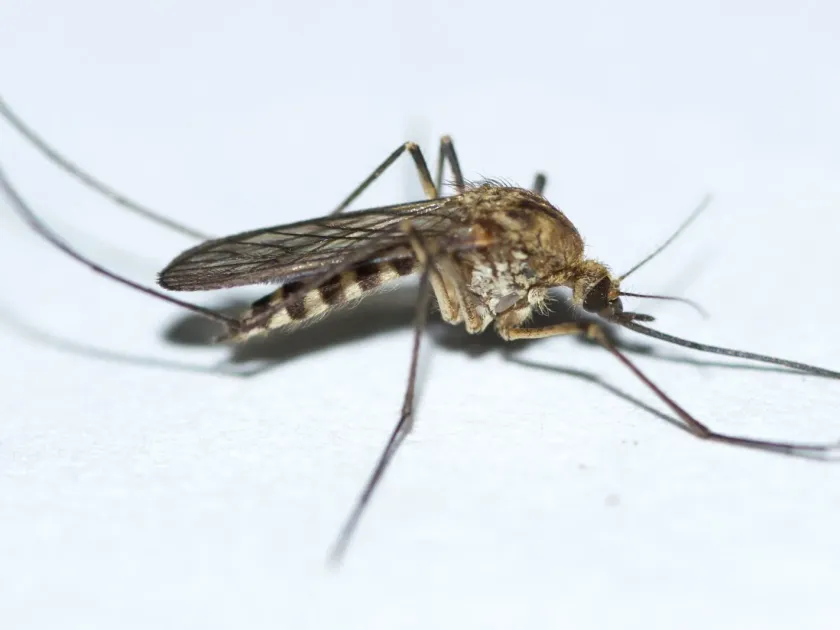
Aedes communis is a species of mosquito belonging to the Culicidae family. It is widely known as a woodland mosquito, typically found in temperate and cold climate regions.
The adult mosquito is identifiable by its brownish-grey coloration and specific wing scales, which are characteristic of this genus. It is a robust species well-adapted to surviving in diverse terrestrial habitats.
The life cycle consists of four stages: egg, larva, pupa, and adult. The species is univoltine, meaning it produces only one generation per year, which is closely tied to the spring snowmelt cycle.
Females are aggressive biters, showing high activity during daylight hours, especially in shaded or forested areas adjacent to agricultural lands.
The eggs are laid in moist soil depressions that will eventually become flooded, displaying a remarkable ability to survive winter dormancy and drought conditions.
What it damages
While Aedes communis is not a direct phytophagous pest and does not consume crops, it poses a significant threat to agricultural productivity through nuisance and stress.
In farming operations, heavy infestations severely disrupt the efficiency of outdoor labor, forcing workers to limit time in fields during peak activity hours.
Livestock management is particularly affected, as constant biting causes stress in animals, leading to reduced grazing time, lower weight gain, and diminished milk production.
Secondary infections and skin irritations in livestock can result in increased veterinary costs and the need for frequent health monitoring to prevent further complications.
The overall impact on agriculture is primarily economic, driven by labor disruptions and the need for investment in protective measures and nuisance control.
When it appears
The emergence of Aedes communis is linked to the early spring period, specifically following the melting of winter snow which creates temporary breeding pools.
Adult activity typically peaks between late spring and early summer, creating a brief but intense period of nuisance for outdoor personnel and animals.
The population declines rapidly as the summer progresses and temporary water sources evaporate, marking the end of the life cycle for the current year's generation.
Climate patterns, particularly temperature and precipitation in early spring, heavily dictate the timing and intensity of the mosquito outbreaks each year.
Unlike some other species, this mosquito does not persist through the summer, ensuring that once the breeding grounds dry out, the adult population vanishes.
Control measures
The most sustainable method for controlling Aedes communis involves habitat modification, specifically the draining or filling of small, temporary water pools and ditches.
Biological control agents, such as Bacillus thuringiensis israelensis (Bti), are highly effective when applied to stagnant water to target larvae before they reach adulthood.
Personal protection remains essential for farm workers; this includes the use of long-sleeved clothing, protective netting, and effective chemical repellents.
Management of livestock should include the use of insect-proofed housing during the peak season and regular sanitation to minimize attractants around the farmstead.
- Drainage of stagnant water pools
- Application of biological larvicides
- Use of insect-repellent gear
- Strategic scheduling of outdoor work
Taxonomy
- Latin name
- Aedes communis
- Order
- Diptera (flies)
- Family
- Culicidae
- EPPO code
- AEDSCO
Discussion
No discussions yet — be the first.