
Aedes annulipes
Aedes annulipes
Description
How to identify
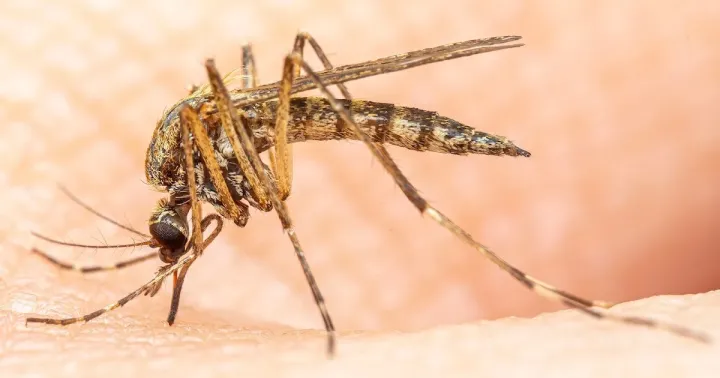
Aedes annulipes is a species of mosquito belonging to the family Culicidae. These insects are distinguished by the presence of pale rings on their legs, which gives them their characteristic appearance and specific name. Adults measure approximately 5–7 mm in length.
The female mosquito is equipped with specialized piercing-sucking mouthparts, necessary for consuming blood to facilitate egg development. Males are exclusively nectar-feeders and do not participate in blood-feeding, focusing instead on reproduction.
The life cycle involves four distinct stages: egg, larva, pupa, and adult. Larval development occurs entirely in aquatic habitats, favoring shallow, temporary pools formed after heavy rains or snowmelt.
Aedes annulipes is highly adaptive, allowing the species to exploit various ecological niches. Eggs are notably resistant to desiccation, surviving in soil or debris during dry periods until environmental conditions trigger hatching.
Morphologically, adults display a grayish-brown coloration that provides excellent camouflage against vegetation during daylight hours, making them difficult to spot before they become active at dusk.
##damage##While Aedes annulipes does not feed on crops directly, it causes significant indirect damage to the agricultural sector by impacting livestock health. Persistent mosquito attacks cause severe stress in cattle, leading to decreased milk production and reduced weight gain.
The presence of high mosquito populations on farms hinders operational efficiency. Field workers are often unable to complete tasks effectively due to the aggressive behavior of the insects, leading to delays in seasonal work.
These mosquitoes serve as vectors for various pathogens, which can threaten the health of both livestock and wildlife populations. Disease outbreaks within herds can result in substantial economic losses for agricultural enterprises.
Crop management is affected when pastures become unusable for grazing during peak mosquito activity hours. This forces changes in herd management schedules and compromises the optimal use of green forage.
Increased insect pressure necessitates frequent sanitation and pest control interventions, which add to the overall overhead costs of farm maintenance and product storage facilities.
##season##Peak activity occurs during the spring and early summer months, strongly correlated with the presence of temporary surface water. This is an early-season species, well-adapted to the moisture conditions of spring.
The duration of the life cycle is highly temperature-dependent. During warmer weather, development from larva to adult happens rapidly, potentially allowing for multiple generations within a single season.
Adult mosquitoes are most active during crepuscular hours (dawn and dusk) and on overcast days. During hot, sunny periods, they retreat to shaded areas such as dense brush, tall grass, or cool, dark corners of agricultural structures.
Activity levels decline in late summer or autumn, though unseasonably wet weather can trigger small, late-season outbreaks, which can interfere with harvesting activities.
The species overwinters in the egg stage. These eggs are extremely resilient to cold, allowing the population to endure harsh winters and rapidly emerge once temperatures rise and water levels normalize.
##signs##The presence of Aedes annulipes is visually confirmed by large swarms of mosquitoes gathering in humid environments near ditches, rivers, or wooded areas that provide suitable breeding sites.
Larvae can be easily detected in stagnant water; they typically hang near the surface and demonstrate quick, erratic movements toward the bottom when disturbed or upon feeling ground vibrations.
Livestock behavior acts as a primary indicator of pest pressure. Nervousness, tail-swishing, and stomping are classic signs that animals are suffering from high mosquito density in their grazing area.
Detection of bite marks on farm personnel and the presence of adult mosquitoes resting on the walls of barns or storage buildings indicate a nearby breeding site that requires immediate attention.
A shift in the intensity of buzzing sounds in the air during the evening is a reliable sign of a fresh generation of adults emerging and beginning their search for a blood meal.
##control##The primary control strategy involves environmental management: draining temporary pools, eliminating standing water, and clearing clogged drainage channels to remove breeding sites.
Biological control methods, specifically the use of Bacillus thuringiensis israelensis, are highly effective. These products target larvae in water without harming non-target species or the environment.
Protecting livestock involves the use of insecticide-impregnated ear tags, specialized repellents, and automated misting systems to establish a protective barrier around critical holding areas.
Regular maintenance, such as mowing tall grass around farm buildings, removes daytime resting spots for mosquitoes, effectively reducing their ability to thrive in close proximity to production sites.
- Drainage of stagnant water bodies.
- Biological control using bacterial larvicides.
- Regular mowing of tall vegetation.
- Installation of insect-proof screening on windows.
Taxonomy
- Latin name
- Aedes annulipes
- Order
- Diptera (flies)
- Family
- Culicidae
- EPPO code
- AEDSAN
Discussion
No discussions yet — be the first.