
Aedes mosquito
Aedes
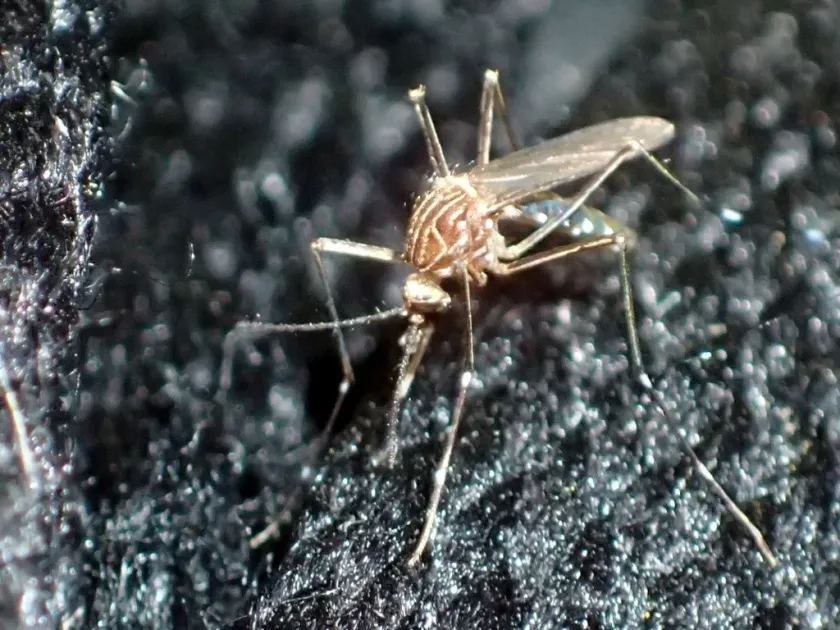
Description
How to identify
The Aedes genus, commonly known as a type of biting mosquito, belongs to the family Culicidae. They are identified by their distinct black and white markings on their bodies and legs.
The life cycle begins with the female laying eggs in damp soil or containers that are prone to flooding. These eggs are exceptionally resilient and can remain dormant for long periods.
Once flooded, the eggs hatch into larvae, which are aquatic and feed on organic matter. After passing through the pupal stage, they emerge as flying adults.
Adult Aedes mosquitoes are primarily active during dawn and dusk, seeking hosts for blood meals to support their reproductive needs.
Their ability to adapt to human-modified environments, such as irrigation channels and farm containers, makes them a significant pest in agricultural zones.
What it damages
While Aedes mosquitoes do not feed on crops, they are considered pests of economic importance due to their negative impact on agricultural productivity.
Livestock suffer significantly from mosquito harassment, leading to behavioral changes, restlessness, and decreased feed intake, which results in weight loss and reduced production.
The biting activity severely impairs human labor efficiency, as workers struggle to perform tasks in fields and livestock buildings under constant attack from these insects.
Increased health risks are associated with Aedes due to their potential to act as vectors for various pathogens that can affect both farm workers and animals.
Veterinary costs increase as farmers must treat animals for skin irritations and secondary infections caused by intense scratching and allergic reactions to mosquito bites.
Control measures
The most effective management strategy involves source reduction: eliminating standing water in containers, old tires, and ensuring proper drainage of irrigation ditches.
Vegetation management is crucial, as keeping grass short around agricultural buildings and fields reduces the humidity levels that these mosquitoes require for survival.
Biological control methods, including the use of Bacillus thuringiensis israelensis, are recommended for treating water bodies to eliminate mosquito larvae safely.
For personnel protection, the use of personal insect repellents, long-sleeved clothing, and protective nets is necessary for work in high-risk environments.
Integrated pest management plans should focus on monitoring population levels and timely application of targeted insecticides where natural controls are insufficient.
Taxonomy
- Latin name
- Aedes
- Order
- Diptera (flies)
- Family
- Culicidae
- EPPO code
- AEDSSP
Discussion
No discussions yet — be the first.