
John Dory
Zeus faber
Description
How to identify
The John Dory (Zeus faber) is a marine fish belonging to the order Zeiformes and the family Zeidae. It is widely known in marine biology but is in no way an agricultural pest.
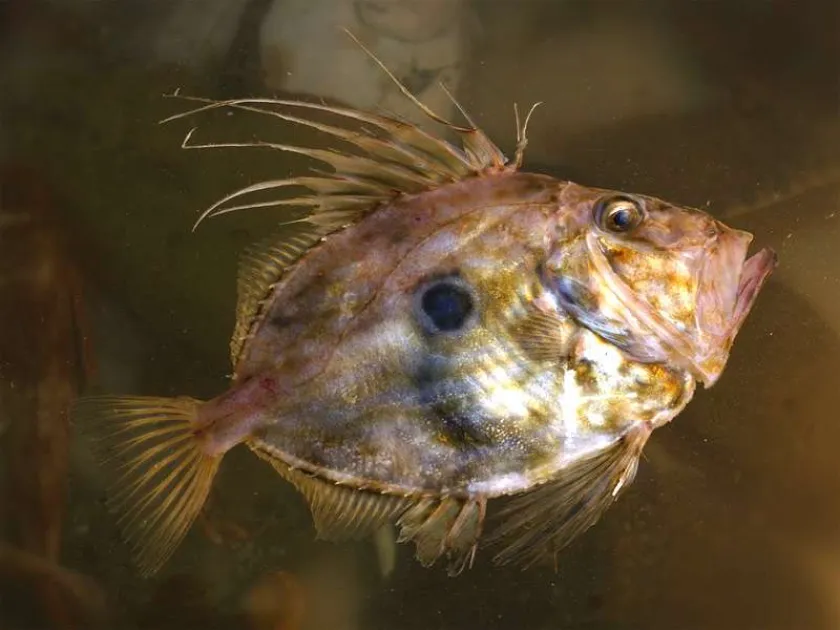
It is easily recognizable by its deep, laterally compressed body, large spines on the dorsal fin, and the dark, circular spot on its sides, which is often surrounded by a light yellow halo.
This species is found in temperate and tropical waters, including the Mediterranean Sea and the Atlantic Ocean. It is a predatory species that thrives in deep-sea habitats.
The biological characteristics of this fish are strictly aquatic. Its morphology, physiology, and sensory systems are perfectly adapted to the marine environment.
Labeling this species as a plant pest is a categorization error, as it possesses no biological traits capable of consuming or damaging agricultural crops.
What it damages
Zeus faber is a carnivore that feeds on smaller fish such as sardines, sand eels, and various invertebrates like squids and crustaceans. It does not possess the mouthparts or the digestive system to feed on plant tissue.
Agricultural crops, including cereals, fruits, and vegetables, are completely outside the John Dory's diet. It causes zero damage to any type of plant production.
The economic impact of this fish is purely limited to the fishing and culinary industry. It is highly valued as a food fish in many coastal nations across Europe and Africa.
Interaction between this species and agricultural land is impossible because the fish remains in marine waters throughout its entire life cycle.
No agricultural studies or field observations have ever identified this fish as a threat to crops, as it lacks any mechanism to harm terrestrial flora.
Signs of infestation
There are no signs of "infestation" or damage related to the John Dory on farmlands. Crops suffering from stunted growth, leaf damage, or rot are subject to pests and diseases entirely unrelated to marine fish species.
Farmers should focus on identifying common agricultural pests such as aphids, mites, or caterpillars when inspecting their fields for biological threats.
If you encounter marine life in irrigation channels, this is a hydraulic issue rather than a biological one, and it does not affect the health of the plants directly.
Diagnosis of plant health should always be based on the symptoms of known agricultural pathogens, rather than attributing issues to marine fish.
Absence of evidence is the only finding regarding the harmful activities of this fish towards crops, as it is physiologically incapable of such behavior.
Control measures
No pest control measures, whether biological or chemical, are required for Zeus faber. Using pesticides near water bodies containing this fish would be environmentally harmful and ineffective.
If marine organisms are entering irrigation infrastructure, the appropriate response is the installation of fine-mesh mechanical screens at intake points to prevent debris and aquatic life from clogging pumps.
Maintain proper water filtration systems to ensure the irrigation supply remains free of any biological obstructions, which is a standard procedure in water management.
For crop protection, follow Integrated Pest Management (IPM) guidelines which focus on preventing threats from insects, fungi, and weeds native to your region.
Always verify biological references in agricultural manuals to avoid confusion between marine fauna and terrestrial pests, ensuring your protection efforts remain targeted and sustainable.
Taxonomy
- Latin name
- Zeus faber
- Family
- Zeidae
- EPPO code
- ZEUXFA
Discussion
No discussions yet — be the first.