
California sea lion
Zalophus californianus
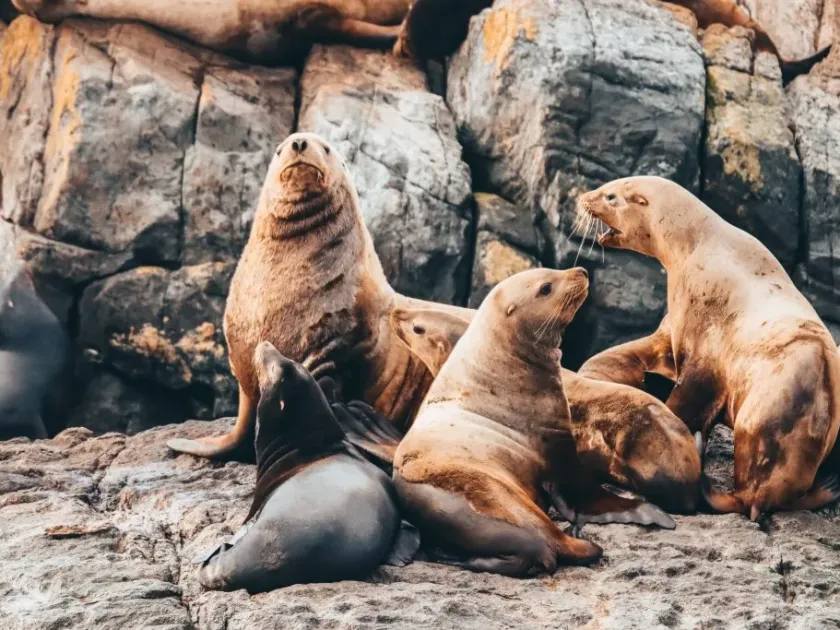
Description
How to identify
The California sea lion (Zalophus californianus) is a member of the eared seal family. In the context of aquaculture and commercial fish farming, this species is considered a significant biological pest that interferes with production infrastructure.
These mammals are highly intelligent and possess strong physical capabilities, allowing them to traverse both aquatic and terrestrial environments. Their ability to learn and adapt makes them challenging to manage near coastal agricultural sites.
Adult males can weigh significantly, providing them with the force required to damage reinforced netting and steel cage structures used in marine aquaculture.
They exhibit social behavior, often forming groups that can collectively exert pressure on the security measures of a fish farming site. Their persistent nature is a key trait that differentiates them from casual visitors.
They possess keen sensory capabilities, which they utilize to locate and exploit high-density feeding sites such as offshore cages and fish pens.
What it damages
The primary damage inflicted by sea lions includes the destruction of protective netting, which allows them access to the stock. This leads to direct financial loss through the loss of fish and cage inventory.
They often damage the anchoring and structural components of cages, leading to equipment failure and the need for expensive, time-consuming repairs and infrastructure replacement.
Beyond physical destruction, sea lions cause chronic stress to cultured stocks. This stress response negatively impacts fish growth rates, immunity, and overall survival rates within the facility.
Biological contamination from sea lion waste can degrade water quality around the farm, potentially increasing the prevalence of pathogens that affect the fish population.
Operational costs rise significantly as farmers must invest in advanced physical barriers, additional monitoring personnel, and insurance against wildlife-related production losses.
When it appears
Sea lion activity around aquaculture sites is often linked to seasonal fish migrations. As wild fish move along the coast, sea lions follow, frequently encountering cage sites.
Breeding seasons and periods of high nutritional demand, such as the weaning of pups, correlate with increased aggressive behavior and more frequent attempts to breach farm defenses.
Seasonal weather patterns can drive sea lions into calmer coastal waters, increasing the likelihood of interaction with aquaculture facilities that provide a reliable food source.
Nighttime represents the peak period for opportunistic attacks, as these predators utilize the cover of darkness to approach the farm while human activity is minimal.
Seasonal shifts in wild prey abundance often force sea lions to seek alternative feeding grounds, making commercial fish farms a major attraction throughout the year.
Signs of infestation
Torn netting with characteristic ragged edges is the most common indicator of sea lion presence and physical attempts to breach the enclosure.
Presence of scat or resting signs on floating docks and pontoon systems near the pens suggests that sea lions have established a pattern of visiting the facility.
Sudden changes in fish behavior, such as schooling at the bottom of the cage or refusing to feed, are classic indicators that a predator is prowling the perimeter.
Missing stock with no signs of disease or previous damage points to a successful entry through small gaps or weaknesses in the netting system.
Deformation of steel frames or damaged hardware suggests that larger males are actively manipulating the structural integrity of the farm enclosure.
Control measures
- Installation of high-tensile, predator-resistant netting reinforced with stainless steel wires.
- Deployment of acoustic deterrent devices that use randomized frequencies to prevent habituation.
- Implementation of underwater strobe lights to disorient animals during nocturnal activity.
- Utilization of automated drone patrols for early detection and rapid response to approaching marine mammals.
- Design of complex cage geometry that minimizes the availability of hand-holds or weak points for biting.
Successful management of sea lions requires an integrated pest management approach that combines durable physical barriers with non-lethal, environmentally conscious deterrence strategies.
Taxonomy
- Latin name
- Zalophus californianus
- Family
- Otariidae
- EPPO code
- ZALOCA
Discussion
No discussions yet — be the first.