
Xanthopastis
Xanthopastis
Description
How to identify
Xanthopastis, commonly known as the Spanish moth or convict caterpillar, is a species of moth in the Noctuidae family, notable for its distinct and bright warning coloration.
The adult moth features striking black wings with pink and white patterns, making it highly recognizable in the garden environment during its flight period.
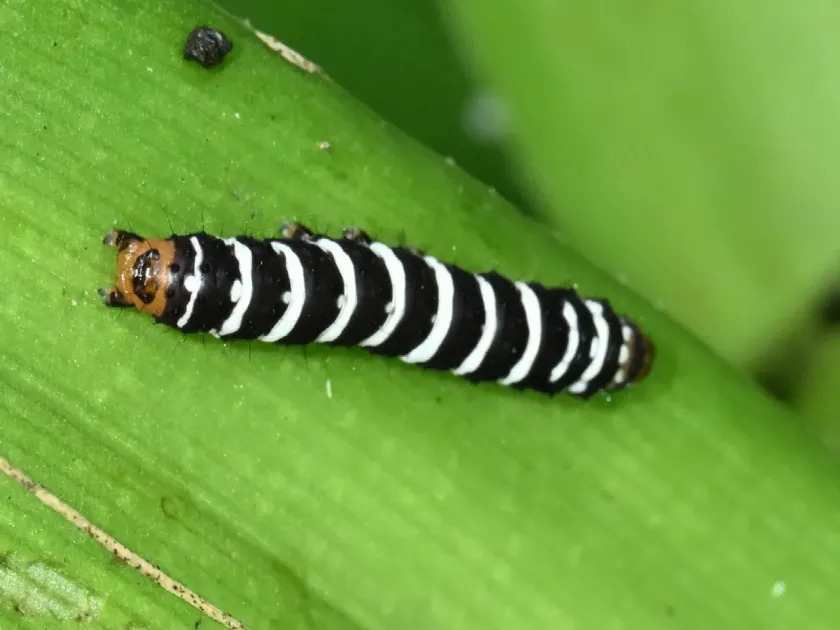
The larvae, or caterpillars, are known for their vibrant appearance with black, white, and yellow stripes, signaling their chemical defense mechanism to predators.
Its life cycle consists of egg, larval, pupal, and adult stages, with multiple generations possible in warmer climates throughout the growing season.
Pupation typically occurs in the soil or within a cocoon hidden in debris, which serves as a protective layer during the transformation into an adult moth.
What it damages
The pest primarily targets plants in the Amaryllidaceae family, causing significant damage to amaryllis, hippeastrum, and various species of narcissus.
It is also a known threat to the Liliaceae family, specifically targeting lily cultivars in residential gardens and commercial nursery settings.
Caterpillars feed voraciously on leaves, stems, and flower buds, leaving plants skeletonized and unable to perform photosynthesis effectively.
The damage often begins on the foliage and progresses to the reproductive structures, preventing the plant from blooming or producing seeds.
Weakened plants are highly susceptible to secondary diseases, including fungal bulb rot, which can permanently destroy the entire plant root system.
Signs of infestation
The presence of abundant dark granular frass (excrement) deposited on leaves or on the ground around the base of the plant is a primary indicator of infestation.
Extensive irregular holes in the foliage, appearing rapidly over a few days, indicate that a large number of caterpillars are actively feeding on the plant.
Caterpillars can often be found resting in clusters on the undersides of leaves or protected areas of the plant stems during the early morning hours.
Premature wilting of flower stalks or stunted growth of new foliage provides strong evidence that the caterpillars have begun damaging the plant's vascular tissues.
Complete defoliation, where only the main veins of the leaves remain, serves as a clear sign of a severe infestation that requires immediate intervention.
Control measures
Early monitoring of susceptible bulb crops is essential to detect the presence of egg masses or young larvae before they cause significant structural damage.
Hand-picking caterpillars and destroying them is a practical and effective method for small-scale gardens or when infestations are localized.
For larger outbreaks, the use of contact-based or systemic insecticides is recommended, targeting the larvae while they are in the active feeding phase.
Sanitation practices such as removing leaf litter and disturbed soil around the base of the host plants help disrupt the pupation stage of the moth.
Encouraging natural predators or using biological control agents can provide a sustainable way to manage population levels without heavy reliance on synthetic chemicals.
Taxonomy
- Latin name
- Xanthopastis
- Order
- Lepidoptera (butterflies)
- Family
- Noctuidae
- EPPO code
- XANSSP
Discussion
No discussions yet — be the first.