
Amaryllis mealybug
Vryburgia amaryllidis
Description
How to identify
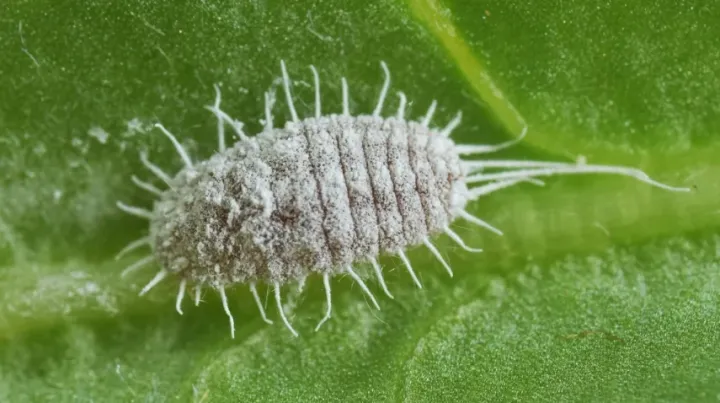
The Amaryllis mealybug (Vryburgia amaryllidis) is a specialized pest belonging to the Pseudococcidae family. These insects are characterized by a flattened, oval body, usually 3 to 4 mm long, covered in a distinctive white, waxy mealy substance.
Unlike leaf-feeding mealybugs, this species prefers to inhabit the narrow, secluded spaces between the scales of bulbs. This makes them extremely difficult to detect during standard visual inspections of the plant's foliage.
The life cycle involves the female laying eggs within loose, waxy, cotton-like ovisacs. The fecundity of this species allows for rapid population growth, especially in the controlled climate of home or greenhouse environments.
The development from egg to adult is temperature-dependent. In warm conditions, the pest can complete multiple generations annually, leading to persistent infestations if not addressed promptly with appropriate chemical or mechanical intervention.
Transmission occurs primarily through the trade of infested bulbs. Even bulbs that appear healthy on the outside often harbor small colonies tucked deep within the neck area, facilitating the spread of the pest into clean collections.
What it damages
This pest specifically targets Amaryllidaceae family members, such as Hippeastrum, Amaryllis, Clivia, Crinum, and Nerine. They feed by inserting their stylets into the plant's vascular tissue to extract sap.
Continued feeding leads to significant loss of plant vigor. The depletion of nutrients causes stunted leaf development, chlorosis, and in many cases, complete failure of the plant to produce flowers during the growing season.
Mealybugs excrete honeydew, a sugary byproduct that attracts sooty mold. This black fungal growth coats the bulb and base of the leaves, interfering with photosynthesis and respiration, which further weakens the plant's immune response.
The puncture wounds caused by feeding serve as entry points for secondary pathogens, including bacteria and fungi that cause bulb rot. This often leads to a rapid decline in the bulb's structural integrity and can result in total death.
Visible damage also includes the deformation of emerging leaves. As the insect feeds on the developing tissues within the bulb neck, the foliage emerges twisted, stunted, or with yellowed margins, indicating a significant infestation.
Signs of infestation
The most common sign of an infestation is the presence of white, cottony masses in the neck region of the bulb or between the layers of outer scales. These masses protect the eggs and the sedentary life stages.
Stunted plant growth is a primary indicator. When a bulb is infested, it diverts energy toward stress management rather than development, resulting in slow or absent leaf growth despite adequate watering and fertilization.
The appearance of sticky, shiny spots on the foliage or the surface of the soil indicates the presence of honeydew. This substance is a tell-tale sign that sap-sucking insects are active on the plant.
Bulb softening or the presence of a foul, earthy smell often suggests that rot has set in following mealybug damage. Such plants usually show signs of structural decay when touched at the base.
- White waxy tufts at the base of leaves.
- Sticky honeydew residue on the bulb neck.
- Black sooty mold covering the bulb scales.
- Yellowing or curling of new leaf growth.
Control measures
Rigorous inspection of all incoming bulbous plants is the first line of defense. Always remove outer, dried scales to check for hidden colonies before potting a new bulb into your collection.
For infested plants, mechanical removal of dried scales and washing the bulb with a mild insecticidal soap solution is recommended. This helps remove the bulk of the population and the waxy protective layers.
Systemic insecticides are the gold standard for controlling Vryburgia amaryllidis. Products containing imidacloprid or acetamiprid provide long-lasting control as they are absorbed into the bulb tissue, poisoning the pests upon feeding.
Soil drenching with systemic agents is often more effective than topical spraying, as it ensures the insecticide reaches the pests hiding deep within the bulb scales. Always follow label instructions for frequency of application.
Maintaining optimal environmental conditions is essential. Avoid excessive heat and drought, as mealybugs thrive in stagnant, dry conditions. Regularly monitoring your plants will help catch infestations before they become systemic.
Taxonomy
- Latin name
- Vryburgia amaryllidis
- Order
- Hemiptera (bugs, aphids, leafhoppers)
- Family
- Pseudococcidae
- EPPO code
- VRYBAM
Discussion
No discussions yet — be the first.